%20(4).png)
![[background image] image of cityscape background (for an architect firm)](https://cdn.prod.website-files.com/68961ade6feff9cbdffc080d/69384e066e0e9a310b6817f8_061f6bac-48bf-44b8-a689-078dacd8009f.avif)
TL;DR:
- A property inspection is a professional, non-invasive visual assessment that identifies defects, safety concerns, and maintenance needs before a purchase. It covers structural, electrical, plumbing, HVAC, and interior components, helping buyers negotiate repairs and avoid costly surprises post-closing. Conducted within 2 to 4 hours with a detailed report, inspections are essential due diligence tools that protect your investment and inform informed decision-making.
A property inspection is a professional, non-invasive visual assessment of a property’s physical condition and operating systems, conducted before a purchase closes to reveal defects, safety concerns, and maintenance needs. The American Society of Home Inspectors (ASHI) and the International Association of Certified Home Inspectors (InterNACHI) both set the standards that licensed inspectors follow across the United States. For homebuyers and investors, understanding what a property inspection covers is the single most effective way to avoid costly surprises after the deed transfers. This guide breaks down the full scope, the process, and the practical steps you need to take before signing anything.
A visual, non-destructive examination covers the foundation, roof, plumbing, electrical panels, HVAC systems, and interior components like ceilings, walls, floors, windows, and doors. Inspectors do not open walls, dig up yards, or test systems beyond their accessible and visible state. That boundary matters because it defines both the value and the limits of a standard inspection.
The property inspection checklist that ASHI and InterNACHI inspectors work from typically includes:
When the standard walkthrough flags a concern, such as staining on a basement wall or an aging electrical panel, specialists do deeper analysis including mold testing, structural engineering assessments, or sewer scope cameras. Think of the general inspector as a triage doctor and the specialist as the surgeon called in after diagnosis.
A standard inspection lasts 2 to 4 hours depending on property size and age, with a photo-supported written report delivered within 24 to 48 hours. That report becomes your negotiating document and your maintenance roadmap.
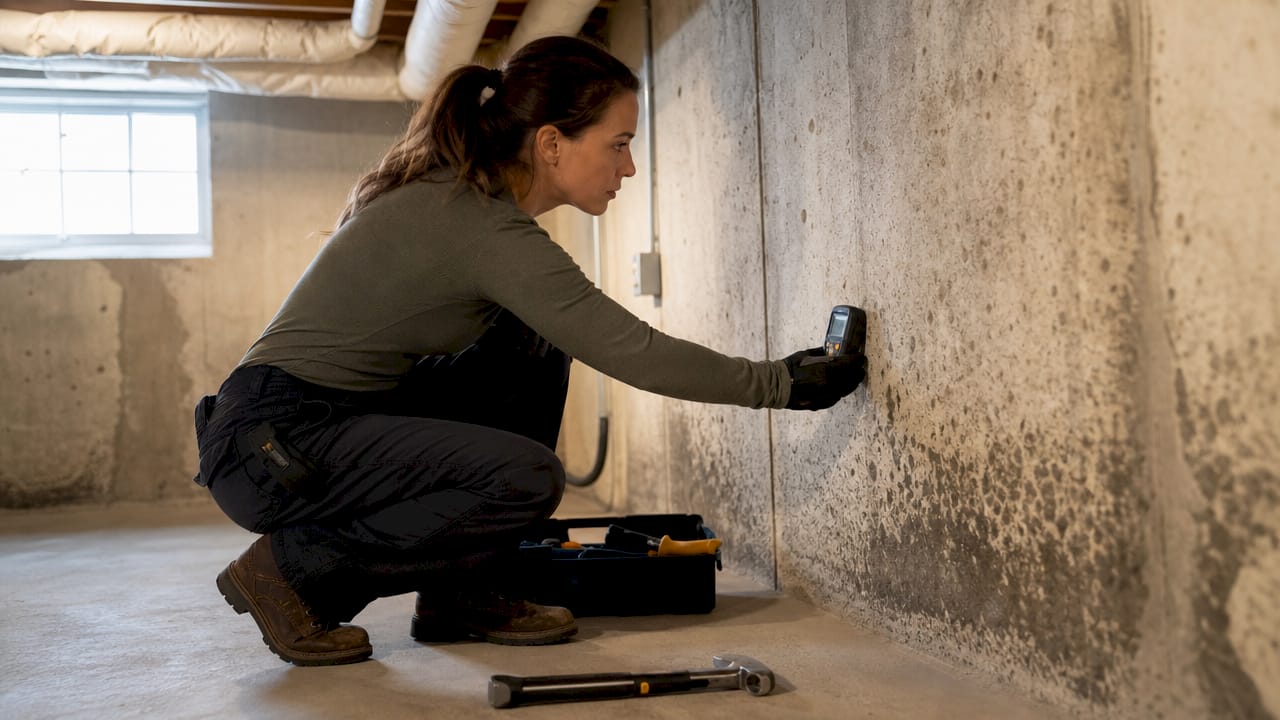
Pro Tip: Attend the inspection in person. Watching the inspector work and asking questions in real time gives you context that no written report can fully replicate.
The terms “property inspection” and “home inspection” are used interchangeably in most residential transactions, but the distinction becomes meaningful in commercial and rental contexts. A home inspection refers specifically to the buyer-ordered evaluation of a residential property during the purchase process. A property inspection is the broader term, covering residential, commercial, rental, and foreclosure contexts.
Residential and commercial inspections differ significantly in scope and regulatory requirements. Commercial inspections follow ASTM E2018 standards and often require licensed engineers rather than general home inspectors. Residential inspections focus on immediate habitability and system function, while commercial inspections involve more documentation, environmental assessments, and structural analysis.
| Inspection type | Primary use | Who orders it | Standards applied |
|---|---|---|---|
| Home inspection | Residential purchase | Buyer | ASHI / InterNACHI |
| Rental property inspection | Lease start or renewal | Landlord or property manager | State landlord-tenant law |
| Commercial property inspection | Commercial purchase or lease | Buyer or tenant | ASTM E2018 |
| Foreclosure inspection | Bank-owned property sale | Lender or buyer | Varies by state |
For most homebuyers, the home inspection is the relevant term. For investors acquiring mixed-use buildings or commercial assets, a property inspection under ASTM E2018 applies. Knowing which type you need before you hire anyone saves time and prevents scope mismatches.
Pro Tip: If you are buying a duplex or small multi-family property, ask your inspector whether they follow residential or commercial standards. The answer changes what gets evaluated and how.
Understanding how appraisals and inspections differ is equally important. An appraisal determines market value for the lender. An inspection determines physical condition for the buyer. They serve different purposes and neither replaces the other.
86% of inspections uncover at least one issue, and buyers who use those findings in negotiation save an average of $14,000. That figure alone justifies the $300 to $500 inspection fee many times over. The inspection converts unknown risk into documented, negotiable fact.
The most common findings across residential inspections fall into several categories:
“A home inspection is not a pass/fail test. It is an objective condition report that informs your decision and your negotiation, not a verdict on whether you should buy.”
Inspections are informative assessments, not verdicts. A 40-year-old house will have deferred maintenance. What matters is distinguishing a $200 caulking job from a $20,000 foundation repair. The inspection report gives you that distinction in writing, with photographs, before you are legally committed to the purchase.
Buyers who skip inspections to compete in fast markets often discover those deferred costs within the first year of ownership. The inspection is not a bureaucratic formality. It is the primary tool for protecting your investment before the transaction closes. Integrating inspection findings with the broader real estate due diligence process gives you a complete picture of what you are buying.
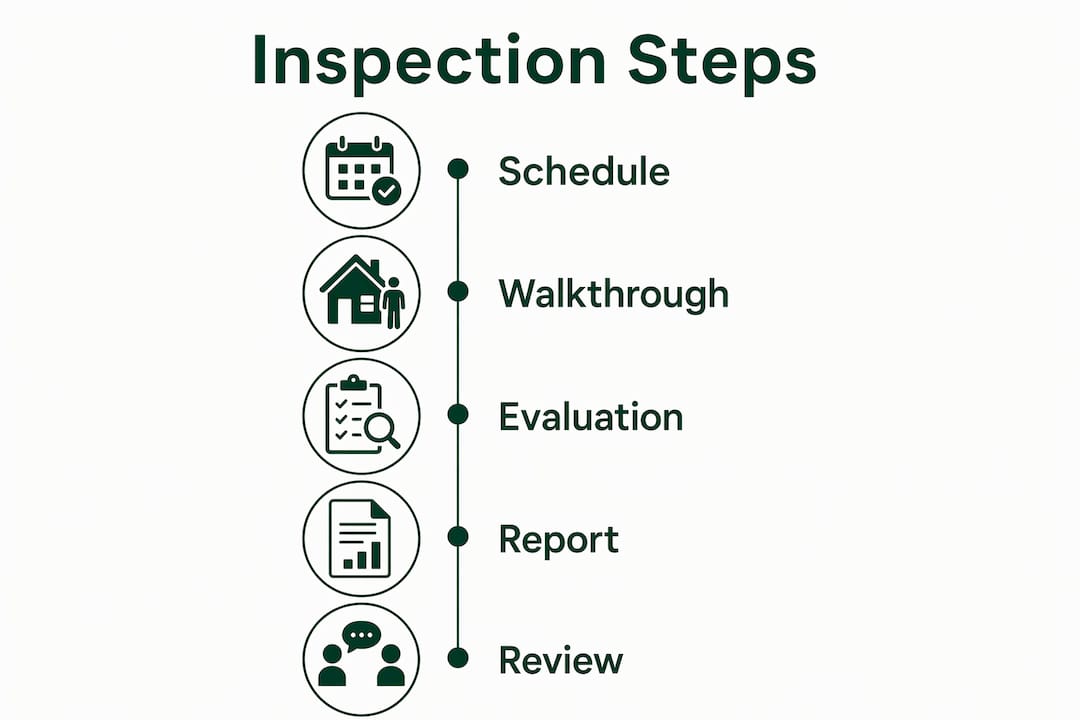
The inspection process follows a predictable sequence once your offer is accepted. Here is how it unfolds from start to finish:
The property inspection process is the buyer’s best opportunity to convert uncertainty into information. Every step above is within your control once the offer is accepted.
Pro Tip: Prepare a short list of questions before the inspection day. Ask the inspector to explain any item they flag, not just document it. That conversation is often more valuable than the written report.
A property inspection is the most cost-effective tool a buyer has for identifying defects, negotiating price reductions, and making informed purchase decisions before closing.
| Point | Details |
|---|---|
| Inspection scope | Covers structure, electrical, plumbing, HVAC, and interiors through a visual, non-invasive walkthrough. |
| Cost vs. savings | Inspections cost $300 to $500 and generate an average of $14,000 in negotiated savings when issues are found. |
| Not a pass/fail test | Reports document condition objectively; buyers use findings to negotiate, not to disqualify a property. |
| Attend in person | Buyers who attend the walkthrough understand the property’s systems and defects far better than those who only read the report. |
| Verify inspector credentials | Licensing is not federally standardized; use ASHI or InterNACHI directories to find qualified inspectors in your state. |
Most buyers who waive inspections do so under competitive market pressure, and almost all of them regret it. I have seen buyers in fast-moving markets skip the inspection to make their offer more attractive, only to discover foundation drainage failures or outdated electrical panels within six months of closing. The repair costs in those cases ran well past what any seller concession would have covered.
The most persistent misconception I encounter is that a newer property does not need an inspection. Construction defects in recently built homes are among the most common findings in the industry. Builders work under time and budget pressure, and inspectors routinely find improper flashing, undersized electrical service, and HVAC installations that do not meet local code in properties less than five years old.
The second misconception is that the inspection is a negotiating tactic rather than a genuine due diligence tool. Buyers who approach it that way miss the real value. The report tells you what you are maintaining for the next decade. A 20-year-old roof with two years of life left is not a negotiating chip. It is a capital expenditure you need to plan for.
Read the full report, not just the summary. Ask your inspector to walk you through the three most serious findings in person. Then connect those findings to the documentation process for buyers to make sure nothing gets lost between inspection and closing.
— Spiros
Yigal Realty guides homebuyers and investors through every stage of the property evaluation process, from understanding what a property inspection covers to coordinating specialist follow-ups and integrating findings into purchase negotiations. Whether you are buying in Beit Shemesh or evaluating a development project from abroad, the team at Yigal Realty connects you with qualified local professionals and provides the context you need to act on inspection findings confidently. Explore Yigal Realty’s buyer resources for detailed guides, project listings, and direct access to agents who understand both the Israeli market and the needs of international buyers.
A property inspection is a professional, non-invasive visual evaluation of a property’s structural and mechanical condition, conducted before purchase to identify defects, safety issues, and maintenance needs. It covers the foundation, roof, electrical, plumbing, HVAC, and interior components.
Inspections typically cost between $300 and $500, with most buyers recouping that cost many times over through an average of $14,000 in negotiated savings when issues are found.
A standard inspection runs 2 to 4 hours for a single-family home, with the written report delivered within 24 to 48 hours after the walkthrough.
No. A property inspection evaluates physical condition for the buyer’s benefit. A home appraisal determines market value for the lender. Both are required in most transactions, but they serve entirely different purposes.
Inspections do not produce pass or fail results. They produce objective condition reports. Buyers use those reports to negotiate repairs, request price reductions, or exit the contract during the contingency period.