%20(4).png)
![[background image] image of cityscape background (for an architect firm)](https://cdn.prod.website-files.com/68961ade6feff9cbdffc080d/69384e066e0e9a310b6817f8_061f6bac-48bf-44b8-a689-078dacd8009f.avif)
Every family searching for a new home in Beit Shemesh faces the challenge of finding listings that match both practical needs and community values. For many Observant Jewish families relocating from the United States, access to accurate property information is essential. The use of Multiple Listing Services ensures that nearly all available homes are accessible to buyers and agents, promoting market transparency for confident, informed decisions. Discover how property listings support your priorities and help your family connect with the right religious community.
| Point | Details |
|---|---|
| Understanding Property Listings | Property listings are essential tools that provide comprehensive details about real estate properties available for sale or rent, crucial for effective communication among sellers, agents, and buyers. |
| Types of Listing Agreements | Knowing the different property listing agreements, such as Exclusive Right to Sell and Open Listing, helps sellers choose the best option for their needs. |
| Buyer and Agent Responsibilities | Clear communication and mutual commitment between buyers and agents are vital for a successful home-buying experience. |
| Commission Structures Impact | Real estate commission trends require buyers and sellers to be proactive about understanding and negotiating costs before finalizing agreements. |
A property listing is a comprehensive description of a real estate property available for sale or rent, serving as a critical communication tool between property sellers, real estate agents, and potential buyers. These listings provide detailed information about a property’s characteristics, helping interested parties understand its features, pricing, and marketability.
Originally developed in the late 1800s, multiple listing services emerged when real estate brokers agreed to share property information and commissions. Today, these services have transformed into sophisticated digital platforms that enhance market transparency and efficiency. The core purpose remains consistent: to create a cooperative environment where brokers can share listing data and facilitate property transactions.
Property listings typically include several key components:
Property listings represent more than just a description - they are a strategic marketing tool designed to showcase a property’s unique value and attract potential buyers.
Pro tip: When reviewing property listings, always cross-reference the details with multiple sources and consider scheduling an in-person viewing to validate the information presented.
In the world of real estate, property listings and agreements serve as the foundational legal documents that govern how properties are marketed and sold. Real estate listing agreements are contracts that define the relationship between property sellers and real estate brokers, establishing critical terms for property marketing and sales transactions.
There are three primary types of property listing agreements, each with unique characteristics:
Additionally, buyer representation agreements establish a legal framework between buyers and their chosen real estate agent. These agreements outline specific responsibilities, including:

Here’s a concise overview of major property listing agreement types and their strategic advantages:
| Agreement Type | Seller Flexibility | Broker Compensation | Best Use Case |
|---|---|---|---|
| Exclusive Right to Sell | Minimal, broker controls | Broker paid regardless of sale | Maximizing agent effort |
| Exclusive Agency | Moderate, seller can sell | Broker paid only if not seller | Motivated self-sellers |
| Open Listing | Maximum, many brokers | Only successful broker receives | Broad exposure, low commitment |
Property listing agreements are more than paperwork - they are strategic tools that protect the interests of both sellers and real estate professionals.
Pro tip: Always carefully review the specific terms of any listing or representation agreement, paying close attention to commission rates, contract duration, and potential termination clauses.
Property listings are complex documents that provide comprehensive information about real estate offerings. Property records serve as critical resources that enable potential buyers to make informed decisions by revealing essential details about a property’s history, legal status, and market characteristics.
Typically, comprehensive property listings include several key components that help buyers evaluate a property’s potential:
Moreover, modern property listings often incorporate advanced identification technologies. The Universal Parcel Identifier enables precise property tracking, ensuring accurate cross-referencing of information across different real estate platforms and public records.
Property listings are more than mere descriptions - they are comprehensive narratives that tell the complete story of a potential home.
Pro tip: Always request detailed documentation and verify listing information through multiple sources to ensure complete understanding of the property’s characteristics and potential.
The home-buying process involves a complex partnership between buyers and real estate professionals, where each party plays a critical role in achieving a successful transaction. Buyer representation agreements legally define the expectations and responsibilities of both the buyer and the real estate agent, ensuring transparent and effective collaboration.
Buyer responsibilities typically encompass several key areas:
Real estate agents, conversely, have comprehensive responsibilities that include:
The relationship between a buyer and their real estate agent is fundamentally built on trust, communication, and mutual commitment to achieving the buyer’s housing objectives.
Pro tip: Establish clear communication expectations and document them upfront to ensure a smooth, productive partnership with your real estate agent.
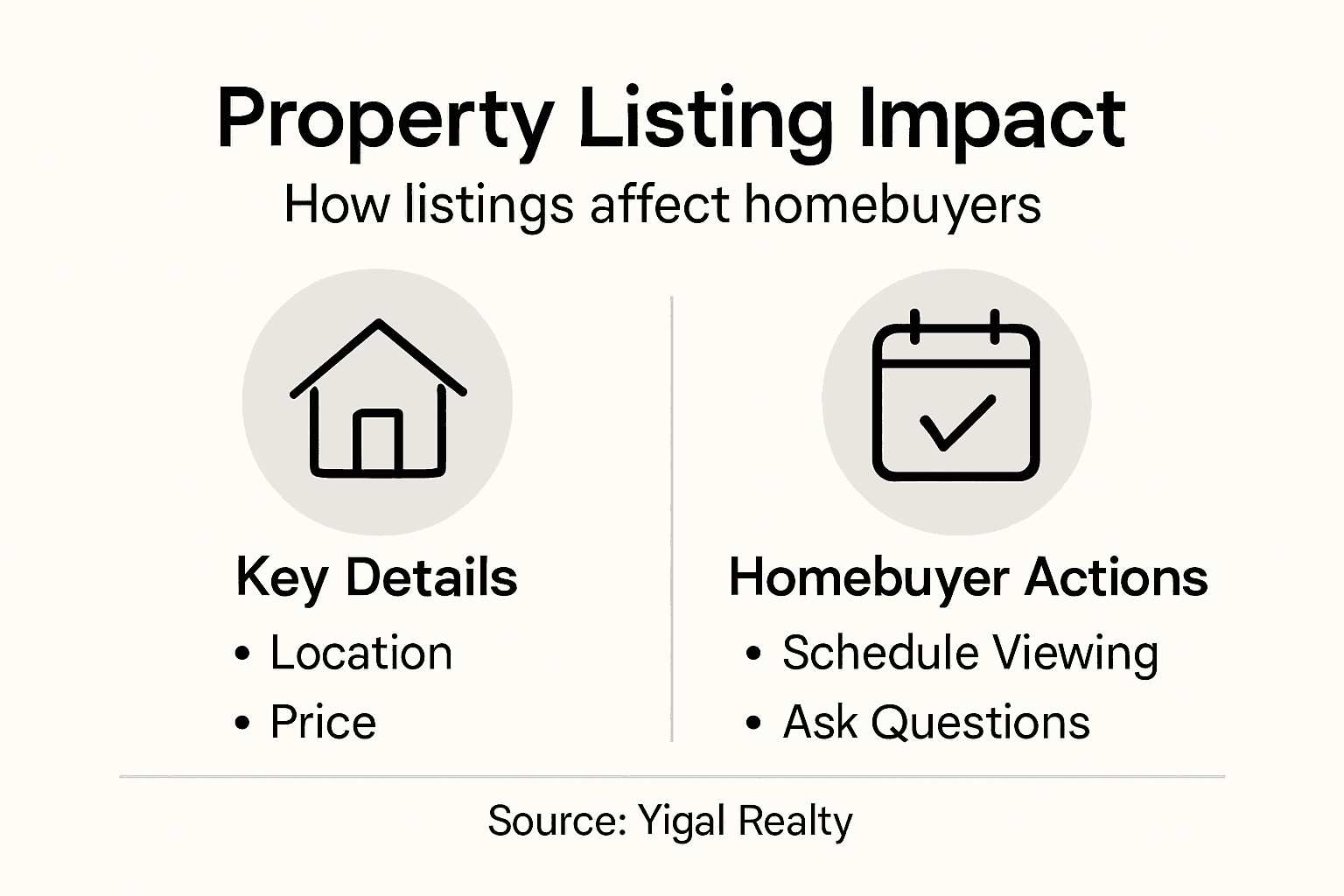
Navigating the complex landscape of real estate transactions requires a comprehensive understanding of legal risks and financial obligations. Real estate commissions represent a critical aspect of property transactions, with significant implications for both buyers and sellers.
Traditional commission structures typically involve multiple financial considerations:
Recent changes in real estate regulations have introduced additional complexities:
The following table summarizes critical real estate commission trends and their effects on buyers and sellers:
| Commission Trend | Impact on Buyers | Impact on Sellers |
|---|---|---|
| No advertised rates | More negotiation opportunity | Must clearly disclose fees |
| Explicit compensation needed | Transparent agent fees | Legal requirement for all deals |
| Flexible commission structures | Custom contracts possible | Increased competition for agents |
| Equal split discouraged | Can negotiate buyer-side fees | Can incentivize faster sales |
Commission structures are evolving, requiring buyers and sellers to be more proactive and informed about potential financial obligations.
Pro tip: Always request a detailed, written breakdown of all potential commission fees and negotiate terms explicitly before signing any real estate agreements.
Understanding the complexities of property listings and listing agreements is crucial for homebuyers aiming to find their ideal home without costly surprises. This article highlights challenges like interpreting detailed property specifications, commission structures, and buyer responsibilities that can overwhelm even the most diligent buyers. If you want to avoid confusion around exclusive right to sell agreements, negotiate commissions effectively, and ensure transparent communication with real estate agents your journey starts with trusted expertise.
At Yigal Realty, we specialize in helping homebuyers in Beit Shemesh and surrounding areas navigate these exact challenges. Our personalized service includes full transparency on property features and commission arrangements plus expert guidance through each step outlined in buyer representation agreements. Don’t wait until you face legal or financial uncertainty. Explore our portfolio and learn how our agents can empower your home search at Yigal Realty Main Site. Take control of your property buying process now and turn complex listings into clear, confident decisions.
A property listing is a detailed description of a real estate property available for sale or rent, including key information such as location, specifications, pricing, and visual documentation to attract potential buyers.
The three main types of property listing agreements are: Exclusive Right to Sell (where the broker has exclusive marketing rights), Exclusive Agency Listing (where sellers can sell independently), and Open Listing (allowing multiple brokers to market the property).
Property listings provide crucial details about a property, helping homebuyers evaluate its features and costs, thereby making informed decisions and facilitating the buying process.
Homebuyers should look for key components such as accurate location details, property specifications, financial information, structural features, and neighborhood context to ensure they have a comprehensive understanding of the property.