%20(4).png)
![[background image] image of cityscape background (for an architect firm)](https://cdn.prod.website-files.com/68961ade6feff9cbdffc080d/69384e066e0e9a310b6817f8_061f6bac-48bf-44b8-a689-078dacd8009f.avif)
TL;DR:
- A home appraisal is an unbiased estimate of a property’s market value ordered by a lender to support a loan. It involves a licensed appraiser evaluating physical features and recent comparable sales to determine value, which impacts loan amount and negotiation strategies. Buyers should understand the process, prepare documentation, and consider options like reconsideration of value if the appraisal is low.
A home appraisal is a licensed professional’s unbiased estimate of a property’s fair market value, ordered by a lender to verify that a loan amount is supported by the property’s actual worth. The appraiser works independently, with no financial stake in the transaction’s outcome. This separation protects lenders from overextending credit on overpriced properties. For homebuyers and real estate investors, understanding what is a home appraisal means understanding what controls your loan amount, your negotiating position, and your closing timeline.
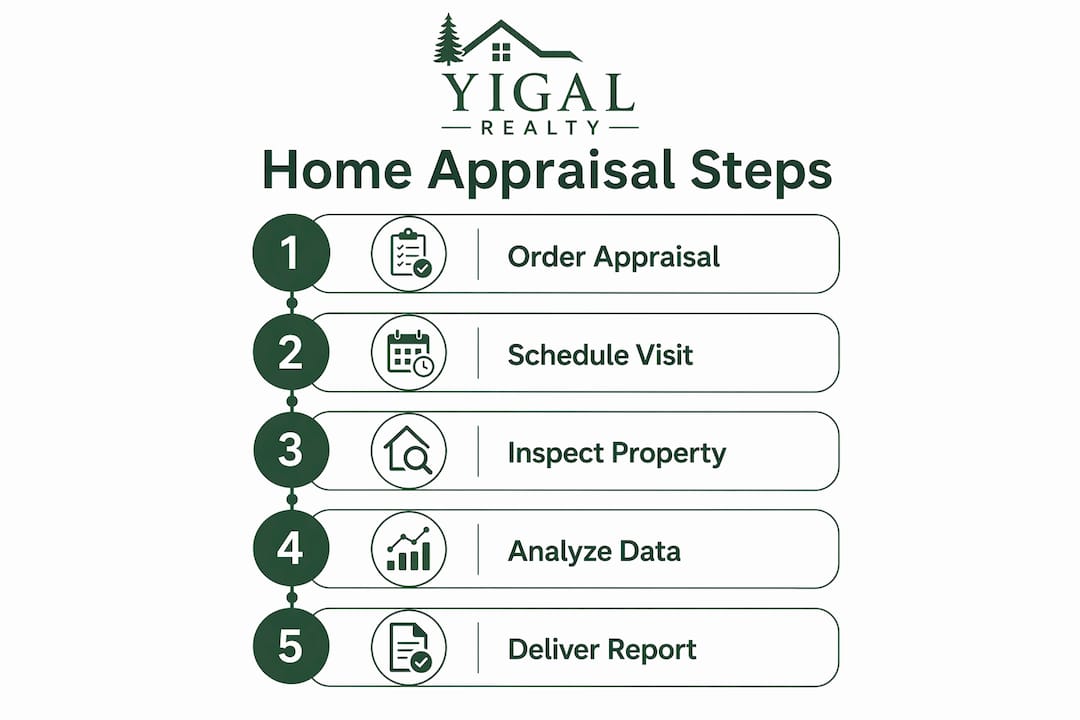
The home appraisal process follows a defined sequence, and knowing each step prevents costly surprises. The lender initiates the process by ordering an appraisal through an independent appraiser or an appraisal management company. The appraiser assigned has no connection to the buyer, seller, or agent, which is a regulatory requirement under federal lending rules.
The process unfolds in five clear stages:
Pro Tip: Ask your lender early in the process when the appraisal will be ordered. Delays in scheduling the appraiser are the most common reason closings get pushed back, and a one-week buffer in your contract timeline can save significant stress.

Appraisers weigh a specific set of physical and market factors to reach a defensible value. The final number is not a guess. It is a documented conclusion supported by data.
The primary factors include:
One distinction buyers frequently miss: appraisal value differs from tax assessed value and from the seller’s listing price. All three figures serve different purposes and rarely match. The appraised value reflects current market conditions as of the appraisal date. Tax assessed value is set by local government for tax purposes and often lags the market. The listing price reflects seller expectations, which may or may not be grounded in recent sales data.
Pro Tip: Staging your home beautifully will not move the appraised value. Clean, decluttered spaces help the appraiser work efficiently, but a fresh coat of paint does not replace a dated roof in the appraiser’s analysis. Focus on factual documentation of real improvements.
Buyers frequently confuse these two processes. They happen around the same time in a transaction, but they serve entirely different purposes for different parties.
A home appraisal is a lender-protection step. It answers one question: is this property worth the loan amount? A home inspection is a buyer-protection step. It answers a different question: what is wrong with this property that the buyer should know about before closing?
| Feature | Home appraisal | Home inspection |
|---|---|---|
| Primary purpose | Estimate market value for lender | Identify defects and safety issues for buyer |
| Who orders it | Lender | Buyer |
| Who benefits | Lender (loan protection) | Buyer (purchase decision) |
| Outcome | Appraised value report | Inspection report with repair recommendations |
| Impact on transaction | Sets maximum loan amount | Informs buyer negotiations and repair requests |
The appraiser is a licensed professional who reports on value. The inspector is a trained professional who reports on condition. A property can appraise at full value and still have a failing HVAC system, a leaking roof, or outdated electrical wiring. The appraisal will not catch those issues. Only an inspection will. Buyers who skip the inspection because they assume the appraisal covers it take on significant financial risk.
The appraisal is the financial gatekeeper of any mortgage transaction. Lenders use it to set the maximum amount they will finance. If the appraised value comes in below the contract price, the lender will not simply fund the higher number.
Lenders finance based on the lower of the contract price or the appraised value. That gap becomes the buyer’s problem. A buyer who agreed to pay $500,000 for a property that appraises at $470,000 faces a $30,000 shortfall that the lender will not cover.
When a low appraisal occurs, buyers have four realistic options:
The appraisal also affects property financing conditions beyond just the loan amount. A lower appraised value can increase the loan-to-value ratio, which may trigger a higher interest rate or require private mortgage insurance. Buyers who understand this connection can make better decisions before signing a purchase contract.
For conventional loans, appraisal requirements apply above certain loan thresholds, and government-backed loans such as FHA and VA loans carry their own appraisal standards that are often stricter than conventional requirements.
Residential appraisals typically cost between $300 and $600, paid by the borrower and usually included in closing costs. The fee varies based on property complexity, size, and local market conditions.
A home appraisal is a lender-required, licensed professional’s estimate of market value that directly controls your loan amount, your negotiating position, and your path to closing.
| Point | Details |
|---|---|
| Appraisal protects the lender | The appraisal verifies loan collateral, not property condition. Never substitute it for an inspection. |
| Comps drive the value | Appraisers rely on sales within 1 mile and the past 3–6 months. Local market activity directly shapes your appraisal outcome. |
| Low appraisals have solutions | ROV, renegotiation, or cash contributions are all viable responses. Know your contract contingencies before the appraisal arrives. |
| Timeline runs 1–3 weeks | Appraiser scheduling is the most common delay. Build buffer time into your closing date from the start. |
| Appraisal value is not listing price | Tax assessed value, listing price, and appraised value serve different purposes and rarely match. |
Most buyers treat the appraisal as a formality. They assume the property will appraise at the contract price because the seller agreed to it and the agent confirmed it. That assumption causes more closing-day panic than almost any other mistake I see.
The appraisal is not a rubber stamp. It is an independent professional opinion based on market data that existed before your offer was accepted. In fast-moving markets, contract prices can outpace recent comparable sales, and the appraisal will reflect the comps, not the enthusiasm of the bidding war.
The most underused tool available to buyers is the Reconsideration of Value process. Most buyers who receive a low appraisal either accept it or walk away. The ROV gives you a formal, structured channel to present evidence the appraiser may have missed. It requires real documentation, not frustration, but it works when the data supports it.
My practical advice: before the appraiser visits, prepare a one-page factual summary of every improvement made to the property in the past five years, with dates and costs. Hand it to the appraiser at the start of the visit. Appraisers are not mind readers, and a $40,000 kitchen renovation that is not documented may receive far less credit than it deserves.
Finally, understand that the appraisal timeline is not in your control once the lender places the order. What is in your control is how early you push your lender to initiate it. Every day of delay at the start compounds into closing timeline risk at the end.
— Spiros
Navigating a property purchase means managing multiple moving parts at once, and the appraisal is one of the most consequential. Yigal-realty works with homebuyers and investors at every stage of the transaction, from understanding property value factors to structuring offers that hold up under appraisal scrutiny. The team brings deep knowledge of local market conditions, which directly affects how comparable sales are selected and how appraisers assess value in specific neighborhoods. For buyers purchasing in Beit Shemesh and surrounding areas, that local expertise is not a bonus. It is a practical advantage. Connect with Yigal-realty to get professional guidance before your next offer.
A residential home appraisal typically costs $300–$600, paid by the borrower and usually included in closing costs. The exact fee depends on property size, complexity, and local market conditions.
The full process runs 1–3 weeks from the lender’s order to the final report. Scheduling the appraiser is the most common source of delay, particularly in active markets.
Yes. The Reconsideration of Value process allows you to formally challenge the appraisal by submitting comparable sales the appraiser overlooked or documented factual errors. A disagreement with the number alone is not sufficient grounds for an ROV.
No. An appraisal estimates market value for the lender. An inspection identifies physical defects and safety issues for the buyer. Both serve different purposes and neither replaces the other.
Rarely. Appraised value, tax assessed value, and listing price each serve a different purpose and are calculated using different methods. The appraised value reflects current market data as of the appraisal date.