%20(4).png)
![[background image] image of cityscape background (for an architect firm)](https://cdn.prod.website-files.com/68961ade6feff9cbdffc080d/69384e066e0e9a310b6817f8_061f6bac-48bf-44b8-a689-078dacd8009f.avif)
TL;DR:
- A new development project transforms raw land into housing through government review and construction phases.
- Buyers should verify permits, financing, and project progress to avoid costly mistakes and living disruptions.
A new development project is a planned residential construction initiative that transforms raw or underutilized land into new housing units through formal government review, permitting, and sequential construction phases. The industry term is “residential development project,” and understanding what it means protects you from costly mistakes. For families in Israel considering a purchase in Beit Shemesh or surrounding communities, knowing what a new development project actually involves is the difference between a confident decision and an expensive surprise.
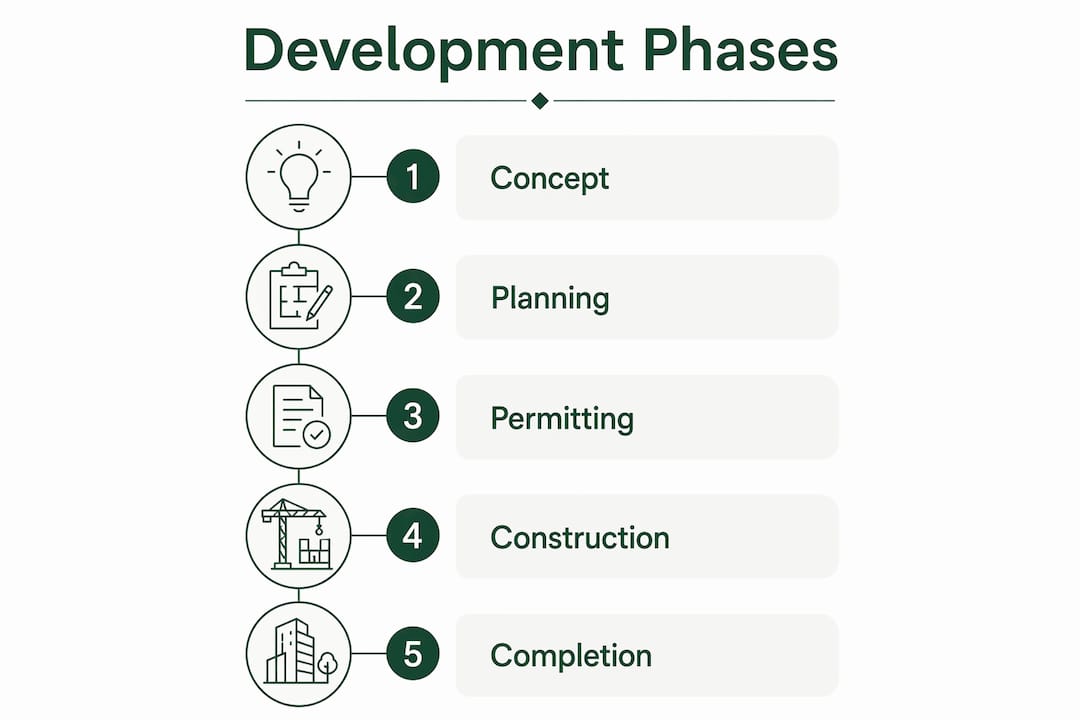
A residential development project begins long before a single foundation is poured. Project life cycles include four distinct stages: Concept and Feasibility, Planning and Permit Review, Active Construction, and Completion with Occupancy certification. Each stage requires formal government sign-off before the next begins. Developers, local planning authorities, and municipal zoning boards are all active participants from day one.
The Concept and Feasibility stage defines what will be built and whether it is financially and legally viable. The Planning and Permit Review stage is where most delays occur. Zoning review, design approval, and construction permits must all clear before a shovel touches the ground. Only after formal approval is the project considered greenlit for construction.
Active Construction follows a strict sequence: foundation, structural framing, mechanical and electrical systems, and finishing work. Residential construction phases must follow this order without exception because each stage depends on the structural integrity of the one before it. Skipping or rushing a phase violates building codes and creates safety risks. Completion and Occupancy is the final stage, where inspectors certify the building is safe and habitable.
The new project development process follows a numbered sequence that every buyer should understand before signing anything.
Concept and feasibility: The developer identifies a site, commissions a feasibility study, and defines the project scope. Feasibility studies and a documented project charter with financial backing and risk mitigation are the foundation of every credible project.
Zoning and entitlement: The developer submits plans to local authorities for zoning review. In Israel, this stage involves the local planning committee and can require multiple rounds of revision. Zoning variance requests are a common source of delay not typically mentioned in marketing materials.
Design approval and permits: Architectural plans go through detailed review. Construction permits are issued only after design approval is complete. This stage alone can take 6–12 months or longer.
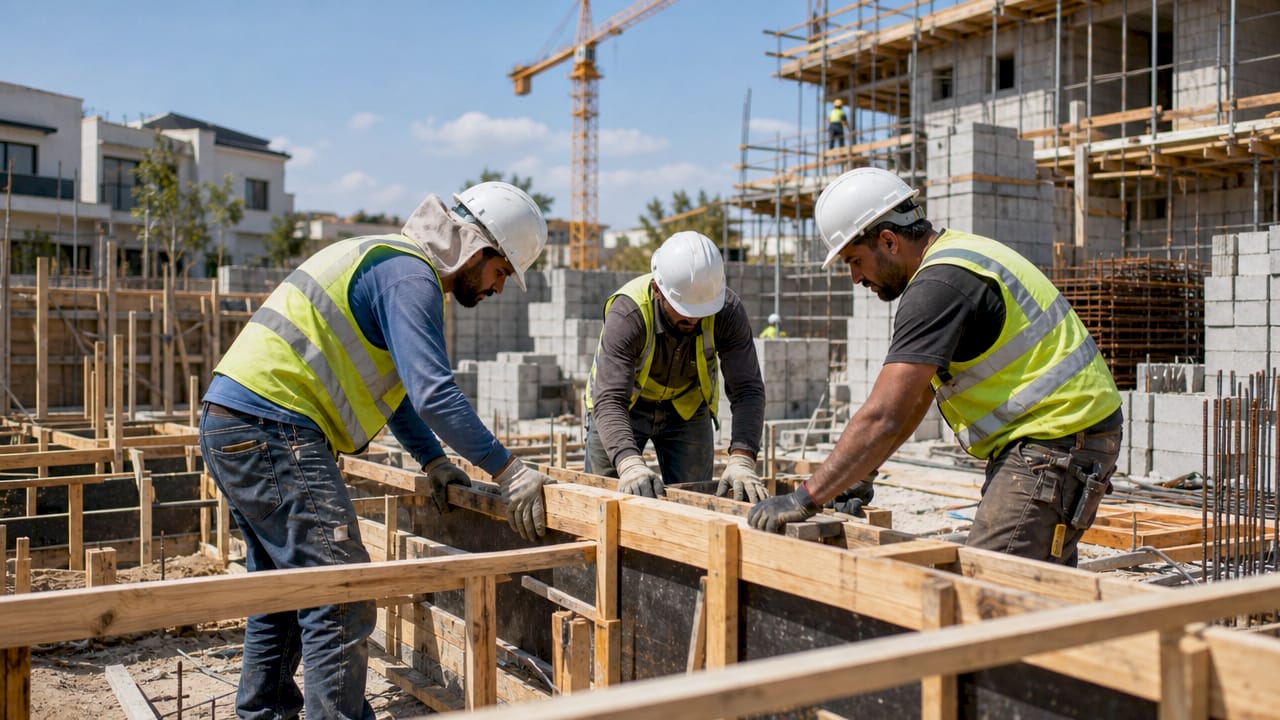
Active construction: Building begins in strict sequential phases. Foundation work comes first, followed by structural framing, then interior systems and finishing. No phase can legally begin before the previous one passes inspection.
Phased delivery and occupancy: Large projects often deliver units in phases. Early buyers may move in while construction continues in adjacent sections of the same development.
Final occupancy certification: Government inspectors certify each completed building before residents can legally occupy it.
Pro Tip: Ask the developer which specific phase the project is currently in and request documentation. A credible developer provides written phase status, not just verbal assurances.
Israel’s residential market includes several distinct project types, each with different timelines, features, and implications for daily life.
| Project type | Scale | Typical duration | Key features |
|---|---|---|---|
| Single-phase residential | Small to medium | 2–4 years | One building or cluster, unified delivery |
| Large phased development | Large | 5–15 years | Multiple buildings, staggered occupancy |
| Mixed-use development | Large | 7–15 years | Housing plus retail, public space, or commercial |
| Urban renewal (Tama 38 / Pinui-Binui) | Varies | 3–10 years | Replaces or reinforces existing structures |
Large residential projects are often phased over 5–15 years, including mixed-use components, with housing alongside retail or public space. That timeline matters because families who move in during Phase 1 of a 10-year project live adjacent to active construction sites for years. Amenities shown in marketing renderings may not be available until Phase 3 or later.
Mixed-use developments add commercial value and community infrastructure, but they also introduce more regulatory complexity. Urban renewal projects in Israel, including Tama 38 and Pinui-Binui programs, follow their own approval tracks under national planning law. These are not new builds on vacant land. They replace or reinforce existing structures, which adds negotiation layers with existing tenants and owners.
The type of project directly affects your quality of life during the transition period and the long-term value of your investment. A single-phase project delivers a complete community at once. A phased project delivers it in installments, with all the noise and disruption that implies.
The most reliable indicator of a trustworthy project is transparency at every stage. Progress monitoring systems that provide clear updates on milestones like foundation completion and permit sign-offs are a hallmark of credible developers. A developer who goes quiet between signing and groundbreaking is a red flag.
Key success factors to evaluate before committing:
Distinguishing project initiation from project planning is critical. Initiation is the concept and scope definition stage. Planning converts that concept into an actionable construction roadmap. Many buyers commit during initiation, believing the project is further along than it actually is.
Pro Tip: Request the developer’s construction financing confirmation letter and the vertical construction permit number. Both are public records in Israel and can be verified independently through the local planning authority.
Choosing a residential development project requires structured evaluation, not just a site visit and a brochure. Transition from approved plans to physical groundbreaking can take months or years. Families who understand this avoid the frustration of expecting keys on a promised date that slips repeatedly.
A practical checklist before committing to any project:
Phased delivery means residents in initial sections of a project must tolerate ongoing construction, affecting daily life and access to shared amenities. This is not a minor inconvenience. In large projects, it can last several years. Families with young children or specific accessibility needs should factor this directly into their decision.
Yigal-realty specializes in guiding families through exactly this process in Beit Shemesh and surrounding areas. Knowing how to access new real estate projects before they are publicly listed gives buyers a meaningful advantage in a competitive market.
A new residential development project succeeds when buyers verify financing, confirm active permits, and understand phased delivery timelines before signing any agreement.
| Point | Details |
|---|---|
| Definition matters | A residential development project follows formal government review, permitting, and sequential construction phases before occupancy. |
| Phases are sequential | Foundation, framing, and finishing must follow strict order. No phase can legally begin before the previous one passes inspection. |
| “Approved” is not “ready” | Zoning approval and vertical construction permits are different. Confirm both before committing to a purchase. |
| Phased delivery has real costs | Families in Phase 1 of a large project live next to active construction for years. Factor this into your decision. |
| Transparency is the key signal | Developers who provide written milestone updates are more reliable than those who offer only verbal assurances. |
Most families focus on the finished rendering and the price per square meter. That is understandable. But the single most important thing I have seen buyers overlook is the gap between “approved” and “under construction.” Those two words are not synonyms in Israeli real estate. A project can sit in approved status for two or three years while financing is assembled and permits work through the system.
The families who navigate this well are the ones who ask uncomfortable questions early. They want the permit number. They want the financing letter. They want a written delivery schedule with penalty clauses. Developers who resist those questions are telling you something important.
I have also seen buyers underestimate the phased delivery reality. Moving into Phase 1 of a large development sounds exciting. It often is. But living next to a construction site for three years while Phase 2 and Phase 3 are built is a genuine quality-of-life issue. The long-term benefits of new development projects in Israel are real and well-documented. The short-term inconveniences are equally real and often underplayed in sales conversations.
My honest advice: treat the developer’s transparency as the most important data point you have. A developer who updates you clearly and consistently before you sign will do the same after you sign. One who goes quiet is showing you exactly how the relationship will work.
— Spiros
Yigal-realty works with families and investors across Beit Shemesh and surrounding communities to identify credible residential development projects before they reach the open market. The team provides direct access to project documentation, developer track records, and phase status reports so buyers can evaluate opportunities with real information rather than marketing materials. For families navigating the Israeli residential market, that level of detail changes the quality of the decision entirely. Visit Yigal-realty’s current listings to review active projects, request expert consultation, and get early access to developments that match your timeline and community priorities.
A new development project is a planned residential construction initiative that moves through government review, permitting, and sequential building phases before delivering occupancy-certified housing units. The process involves developers, local planning authorities, and municipal zoning boards at every stage.
Timelines vary by project type and scale. Small single-phase projects typically take 2–4 years from concept to occupancy. Large phased developments can run 5–15 years, with units delivered in stages while construction continues elsewhere on the site.
Project initiation defines the concept and scope of a development. Project planning converts that concept into an actionable construction roadmap with permits, financing, and timelines. Buyers who commit during initiation often find the project is far earlier in the process than they assumed.
Ask the developer for a construction financing confirmation letter and the vertical construction permit number. Zoning approval alone does not confirm that a project will proceed. Secured financing and active vertical permits are the two clearest signals that construction will begin on schedule.
New development projects in Israel typically offer modern construction standards, energy-efficient systems, and community amenities not available in older housing stock. Early buyers in credible projects also benefit from pre-launch pricing before units reach the broader market.