%20(4).png)
![[background image] image of cityscape background (for an architect firm)](https://cdn.prod.website-files.com/68961ade6feff9cbdffc080d/69384e066e0e9a310b6817f8_061f6bac-48bf-44b8-a689-078dacd8009f.avif)
Over 80 percent of American buyers say that selecting the right neighborhood is the most stressful part of real estate decisions. The pressure to choose wisely comes from the impact a location has on everything from daily routines to long term property value. Whether you seek growth potential or a stronger sense of community, this article breaks down proven steps that make each stage of the American real estate search more straightforward and rewarding.
| Main Insight | Detailed Explanation |
|---|---|
| 1. Identify Priorities for Location | Create a checklist ranking location factors like schools and amenities based on your personal needs. |
| 2. Utilize Multiple Trusted Platforms | Cross-reference property details across various real estate websites for comprehensive insights and verification. |
| 3. Register for Specific Alerts | Ensure your property alerts are detailed to capture opportunities that align closely with your requirements. |
| 4. Select Knowledgable Local Agents | Interview multiple agents to find one who understands your goals and specializes in your target areas. |
| 5. Verify Project Authenticity | Conduct thorough verification of real estate listings by requesting documentation and checking developer legitimacy. |
Finding the right real estate project starts with strategic location scouting and understanding your specific requirements. Whether you are an investor searching for growth potential or a family seeking a new home, pinpointing the ideal location demands careful research and thoughtful analysis.
Begin by mapping out your key priorities using comprehensive site selection tools that help evaluate neighborhood characteristics. Consider factors like proximity to schools, religious institutions, public transportation, local amenities, and community infrastructure. Create a detailed checklist that ranks these elements based on personal importance. Some families might prioritize synagogue distance, while investors might focus more on potential appreciation rates and development trajectories.
One critical warning many overlook: do not rely exclusively on online data. Always schedule in person neighborhood visits to get a genuine feel for the community dynamics. Walk the streets, speak with local residents, and observe the area during different times of day. This firsthand research provides nuanced insights no digital tool can fully capture. Your next step will involve narrowing down your top location candidates and preparing for deeper project exploration.
Navigating the complex world of real estate platforms requires strategic research to find reliable sources of property information. Your goal is to uncover credible websites that provide comprehensive, accurate, and up-to-date listings and market insights tailored to your specific needs.
Start by exploring authoritative real estate websites that offer robust market data and comprehensive property research. Focus on platforms with direct connections to Multiple Listing Services (MLS) like Realtor.com and Trulia, which provide extensive property details and community analysis tools. Pay special attention to websites that offer not just listings, but also neighborhood insights, historical pricing trends, and development forecasts. Some platforms even provide advanced filtering options to help you narrow down properties based on specific religious community requirements, school district proximity, or investment potential.

One critical tip most buyers overlook: do not rely on a single platform. Cross reference information across multiple trusted websites to validate property details and market conditions. Check for recent sales data, community reviews, and professional assessments that can provide a more holistic view of potential real estate projects. Your research here will set the foundation for making an informed decision about your next property investment. Prepare to dive deeper into specific project details in the upcoming steps.
Staying ahead of new real estate opportunities requires proactive communication and strategic information gathering. Your mission is to create a robust system for receiving timely updates about emerging projects that match your specific investment or residential requirements.
Start by working with knowledgeable real estate agents who understand your unique needs and can provide personalized project notifications. Develop a comprehensive profile that details your preferences including neighborhood characteristics, budget range, property type, and specific community requirements. Many advanced platforms now offer web applications that allow you to select precise neighborhood factors and automatically receive alerts when matching properties become available. This targeted approach ensures you will not miss potential opportunities that align with your goals.
One critical warning most buyers overlook is providing incomplete or generic preferences when registering for alerts. Be extremely specific about your requirements whether you are searching for investment properties or a family home. Include nuanced details like proximity to religious institutions, school district quality, potential for appreciation, and specific architectural preferences. Your next step will involve carefully reviewing incoming project notifications and preparing for detailed property investigations.
Building a successful real estate strategy hinges on finding the right professional partner who understands your unique needs and local market dynamics. Your goal is to establish a strategic relationship with an agent who can provide expert guidance through the complex landscape of new real estate projects.
Begin by carefully selecting a real estate professional who demonstrates deep understanding of your specific requirements. Look for agents with proven expertise in your target neighborhoods, particularly those specializing in religious community developments or investment properties. Research their professional background, verify their licensing credentials, and request references from clients with similar property search profiles. Pay close attention to their communication style and willingness to understand the nuanced details of your real estate objectives.
One critical warning many buyers neglect is settling for the first agent they meet. Take time to interview multiple professionals, asking pointed questions about their experience with projects similar to your interests. Seek agents who offer transparent communication, have a comprehensive network of local connections, and can provide detailed insights into emerging developments. Your ability to find an agent who truly comprehends your vision will significantly streamline your property search and investment strategy. The next phase involves developing a collaborative approach to uncovering the most promising real estate opportunities.
Confirming the legitimacy and authenticity of real estate projects is a critical step in protecting your investment and ensuring you have accurate information. Your mission is to develop a comprehensive verification strategy that thoroughly examines all aspects of potential property developments.
Begin by investigating the legitimacy of real estate listings through multiple verification channels. Request official documentation including project permits, architectural plans, zoning approvals, and financial feasibility studies. Contact local municipal offices to cross reference project details and confirm the developer’s track record. Pay special attention to exclusive project features such as community amenities, construction timelines, and specific neighborhood restrictions that might impact your investment potential.
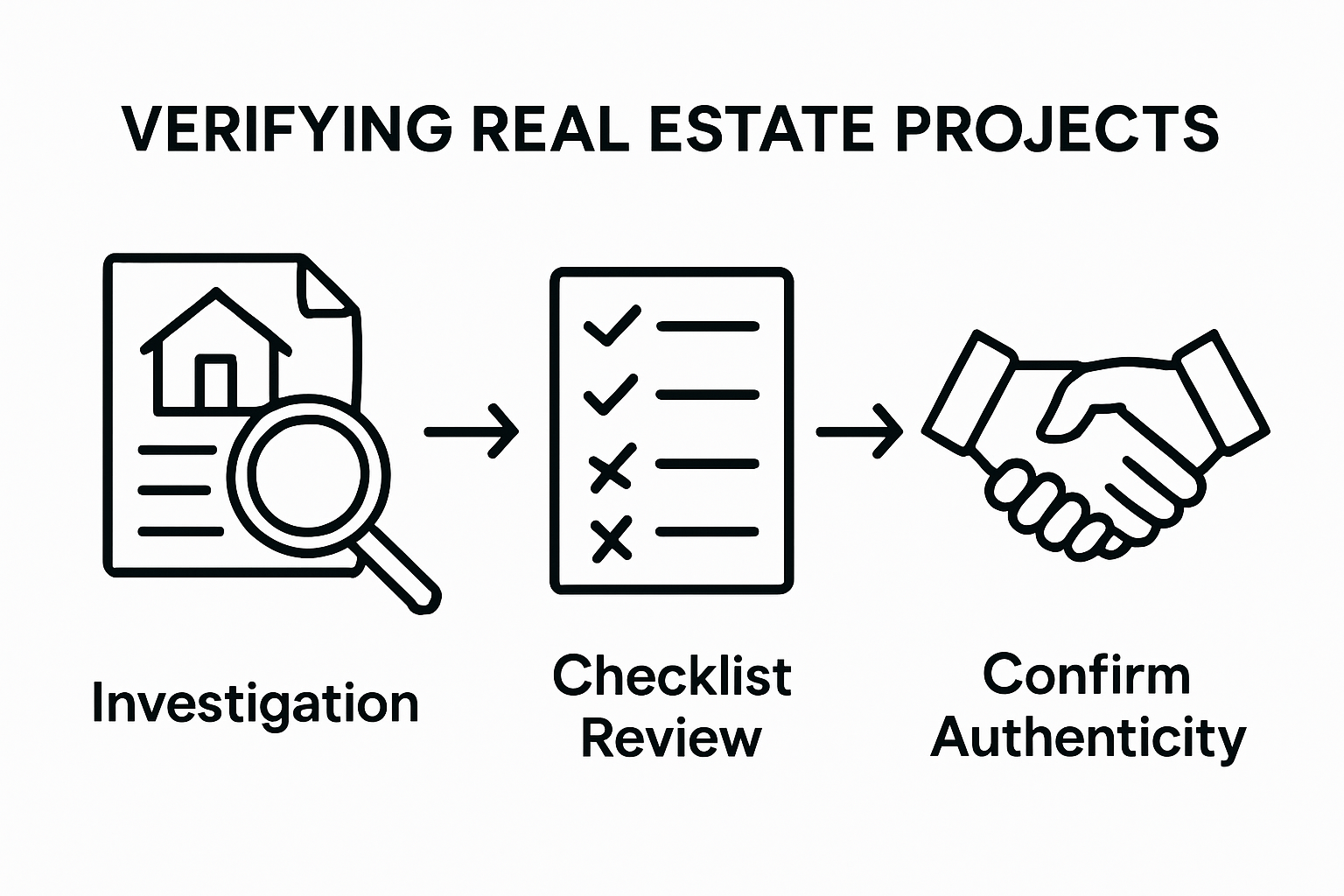
One critical warning many investors overlook is accepting project information at face value. Always conduct independent research beyond the marketing materials provided by developers or agents. Seek out third party evaluations, speak with current residents or investors in similar developments, and verify the financial stability of the project developer. Request comprehensive documentation that proves project exclusivity and potential for appreciation. Your thorough verification process will help mitigate risks and provide confidence in your real estate investment strategy. The next phase involves carefully analyzing the collected information to make an informed decision.
Navigating the complexities of identifying ideal locations, researching trusted platforms, and verifying project details can feel overwhelming. If you are seeking a reliable partner who understands the unique needs of observant and religious communities in Beit Shemesh and beyond, Yigal Realty is here to guide you. Our deep local expertise and exclusive access to new developments help you avoid common pitfalls while securing your dream property or investment with full transparency.
Why struggle with uncertainty when expert help is just a click away Explore Yigal Realty’s comprehensive listings and detailed project guidance designed to match your specific requirements. Benefit from personalized support, up-to-date community insights, and flexible payment options that make accessing new projects straightforward. Do not miss your chance to connect with experienced agents who know the market and deliver trusted advice. Visit https://info.yigal-realty.com now and take the next step toward unlocking your ideal real estate opportunity today.
To identify ideal locations for new real estate projects, begin by mapping out your priorities using site selection tools to evaluate neighborhood characteristics. Focus on factors like proximity to schools and local amenities, then visit potential areas in person to gain firsthand insight into the community.
To find reliable real estate platforms, explore authoritative websites that connect to Multiple Listing Services (MLS) for accurate property listings and community insights. Cross-reference information across multiple trusted sites to validate details and ensure you have a well-rounded view of the market.
You can set up project alerts by working with knowledgeable real estate agents and detailing your specific requirements to them. Use advanced online platforms that allow you to select your neighborhood factors so you can receive alerts when matching properties become available.
When connecting with a local real estate agent, prioritize their understanding of your unique needs and their expertise in your target neighborhoods. Interview multiple agents, focusing on their communication style and previous experience with projects similar to your interests to ensure a strong partnership.
To verify the legitimacy of new real estate projects, investigate listings through multiple channels and request official documentation such as project permits and architectural plans. Always conduct independent research beyond provided materials and consult third-party evaluations to confirm a project’s authenticity.
Visiting potential neighborhoods in person is crucial because it allows you to experience community dynamics and assess important factors, like local amenities and safety. Aim to visit at different times of day to get a comprehensive understanding of the area, enhancing your decision-making process.