%20(4).png)
![[background image] image of cityscape background (for an architect firm)](https://cdn.prod.website-files.com/68961ade6feff9cbdffc080d/69384e066e0e9a310b6817f8_061f6bac-48bf-44b8-a689-078dacd8009f.avif)
TL;DR:
- Property selection in Israel relies on location demand, physical condition, legal compliance, and financial performance to avoid costly mistakes. A documented mamad is essential for habitability and resale value, especially for buildings permitted after 1992. Conduct at least two property visits and verify legal documents to make confident, well-informed investment decisions.
Property selection in Israel is defined by four measurable criteria: location demand, physical condition, financial performance, and legal compliance. Buyers who treat these as a structured checklist rather than a loose wish list consistently avoid the costly mistakes that trap first-time purchasers and inexperienced investors. Frameworks from ManageCasa and OppMap both confirm this grouping as the foundation of sound real estate evaluation. Israel adds one layer most markets do not: the mamad, a legally mandated apartment-level protected space that directly affects habitability, insurance, and resale value. This guide walks you through each factor with the specificity you need to make a confident decision.
Location is the only property feature you cannot renovate. Location and tenant demand drive rentability, appreciation, and long-term exit value more than any interior upgrade. A well-finished apartment in a weakening market will underperform a modest unit in a high-demand neighborhood every time.
In Israel, demand signals cluster around several measurable indicators:
Risk signals worth tracking include single-employer concentration, where one company dominates local employment, and population decline in surrounding municipalities. Both compress demand faster than most buyers anticipate.
Pro Tip: Visit the local municipal planning office or check the Israel Land Authority database to identify approved construction permits in your target neighborhood. A pipeline of 500 new units in a 2,000-unit submarket is a material risk, not background noise.
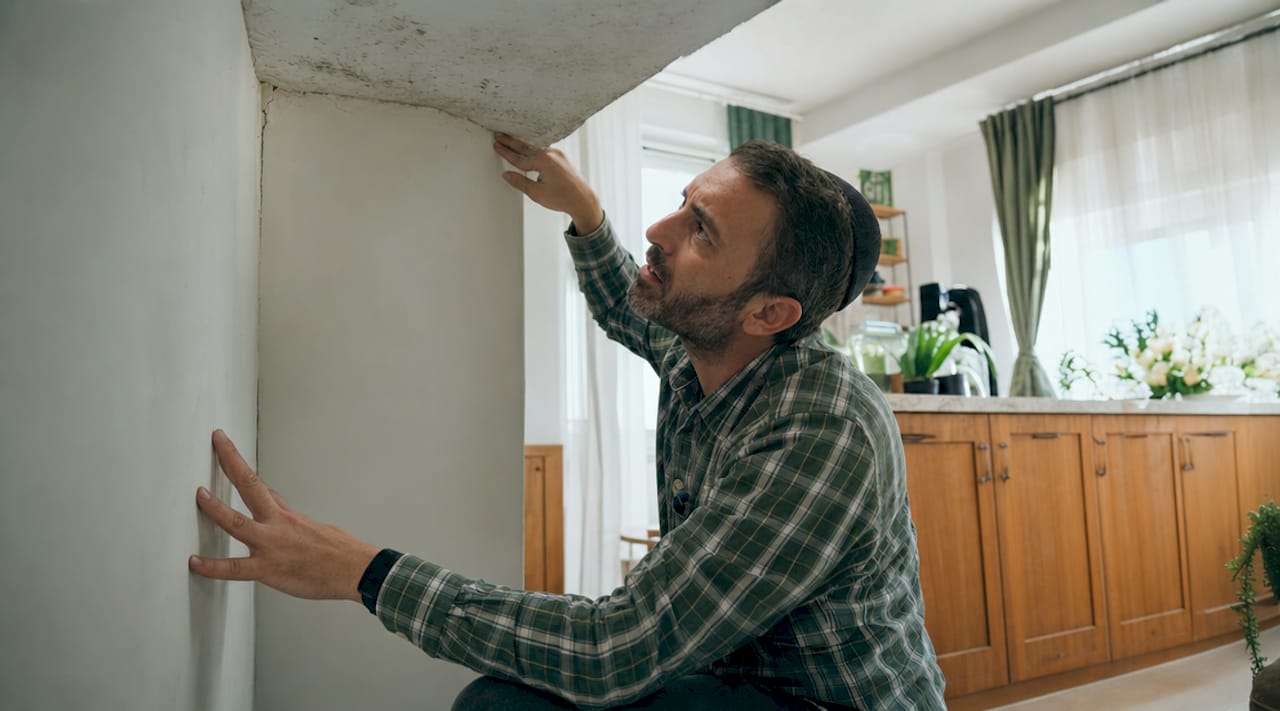
Physical condition separates a livable asset from a liability. Prioritizing structural integrity over surface finishes is the single most consistent advice from experienced buyers across markets, and it applies directly to Israeli residential real estate.
For buildings permitted after 1992, mamad verification is not optional. Under Israeli building law, mamad requirements include a minimum 9 square meter area, reinforced concrete walls, steel doors, filtration systems, and a valid occupancy permit known as Form 4. A missing or non-functional mamad is a legal habitability issue, not a cosmetic deficiency.
Here is a practical inspection sequence to follow on every viewing:
Legal recognition of the mamad requires more than physical existence. Documented permits confirm that authorities and insurers accept the room as compliant. Without that documentation, you may face urgent repair demands or disputes with the municipality after purchase.
Pro Tip: Schedule a second viewing at a different time of day than your first visit. Morning light hides moisture stains that afternoon sun reveals. A second visit also lets you assess noise levels, parking availability, and neighbor activity patterns that a single visit misses entirely.
Financial viability is the arithmetic test every property must pass before you sign. Financial viability and location alpha are interrelated. Strong interior features cannot compensate for weak market fundamentals, and buyers who ignore this connection consistently end up in break-even or loss positions.
Net cash flow is the number that matters. Calculate it by subtracting all holding costs from gross rental income:
Positive cash flow after all of these deductions confirms the property sustains itself. Negative cash flow requires you to subsidize the asset from other income, which is a viable strategy only if appreciation assumptions are conservative and documented.
Tenant profile also affects returns. Properties near religious community centers in Beit Shemesh tend to attract longer-tenure tenants with lower turnover costs. Properties near universities attract shorter leases with higher vacancy frequency. Neither profile is inherently better, but each requires a different financial model.
Integrated evaluation of market fundamentals and cost basis is what separates investors who build portfolios from those who stall at one property. Run your numbers against at least two demand scenarios: current market rents and a 10% rent reduction to stress-test the investment.
Legal compliance is where deals collapse after months of negotiation. The cost of skipping this step is not just financial. It can include losing your deposit, inheriting unpermitted construction, or purchasing a property with a disputed title.
The core legal checks for Israeli residential property are:
Documenting property conditions and verifying legal documents before signing establishes a proof trail that protects your deposit and clarifies the condition baseline for any future dispute.
The table below summarizes the most common legal risk flags and their practical implications:
| Risk flag | Practical implication |
|---|---|
| Tabu name mismatch | Signals potential ownership dispute or undisclosed inheritance claim |
| Missing Form 4 | Property may be legally uninhabitable and unfinanceable by most banks |
| Unpermitted additions | Buyer inherits demolition liability or legalization costs |
| Outstanding liens | Seller’s debt can block title transfer and delay or void the transaction |
| Single-employer town | Population decline risk if employer relocates, compressing resale value |
For Israeli real estate law basics, including permit verification and title compliance, reviewing the legal framework before your first offer protects you at every stage of the transaction.
Durable property selection in Israel requires integrating location demand, physical condition, mamad compliance, financial cash flow, and legal verification into a single structured evaluation before any offer is made.
| Point | Details |
|---|---|
| Location demand comes first | Vacancy rates, job market depth, and pipeline construction determine long-term viability. |
| Mamad compliance is a legal requirement | Buildings permitted after 1992 must have a documented, functional mamad with Form 4. |
| Cash flow must be positive after all costs | Include arnona, vaad bayit, vacancy allowance, and management fees in every calculation. |
| Tabu verification is non-negotiable | A fresh land registry extract confirms ownership and flags liens before any funds transfer. |
| Second viewings reveal what first visits miss | Different lighting, noise levels, and neighbor activity only appear on a return visit. |
Most buyers arrive with a clear picture of what they want the apartment to look like. Very few arrive with a clear picture of what the market around it needs to look like. That imbalance is the source of most bad purchases I’ve seen.
The buyers who do best start with location and demand criteria before they ever walk through a door. They eliminate neighborhoods before they evaluate apartments. That sequence saves weeks of wasted viewings and, more importantly, prevents emotional attachment to a property in a fundamentally weak submarket.
The two most common mistakes I see are skipping mamad verification and never returning for a second visit. Both feel like shortcuts that save time. Both have cost buyers real money, either through post-purchase legal disputes or through missing structural defects that a second visit would have caught.
A structured property checklist is not bureaucratic overhead. It is the difference between a confident offer and a nervous one. Buyers who arrive with documentation protocols and a prepared list of questions close faster and dispute less. That is not a coincidence.
— Spiros
Yigal-realty specializes in residential real estate in Beit Shemesh and surrounding areas, working with both local buyers and international clients, including those based in New York. The team provides structured viewing checklists, document verification support, and local market expertise that covers demand signals, mamad compliance, and legal due diligence. Whether you are purchasing your first Israeli apartment or expanding an investment portfolio, Yigal-realty’s agents guide you through each evaluation step with transparency and local knowledge. Explore current available properties in Israel and connect directly with an agent to get early access to new projects and personalized guidance from the first viewing through contract signing.
The four most important factors are location demand, physical condition including mamad compliance, financial cash flow, and legal verification through a fresh Tabu extract. Buyers who evaluate all four before making an offer consistently avoid the most common and costly purchase mistakes.
A mamad is an apartment-level protected space legally required in Israeli buildings permitted after 1992. It must meet minimum size, structural, and documentation standards, and a missing or non-functional mamad affects habitability, insurance coverage, and resale value.
Subtract all holding costs from gross rental income, including mortgage payments, arnona, vaad bayit fees, insurance, a 5% vacancy allowance, and any management fees. A property is financially viable when net cash flow is positive under both current and stress-tested rent scenarios.
Request a fresh Tabu extract to confirm ownership and check for liens, verify Form 4 matches the current apartment configuration, and cross-reference the floor plan against the approved building permit. Outstanding vaad bayit debt and unpermitted additions are the two most frequently overlooked risk factors.
Visit at least twice, at different times of day. A second visit reveals moisture stains, noise levels, parking patterns, and neighbor activity that a single viewing consistently misses, and it gives you time to test all utilities and mamad functionality without the pressure of a first impression.