%20(4).png)
![[background image] image of cityscape background (for an architect firm)](https://cdn.prod.website-files.com/68961ade6feff9cbdffc080d/69384e066e0e9a310b6817f8_061f6bac-48bf-44b8-a689-078dacd8009f.avif)
TL;DR:
- Many newcomers are surprised by Israel’s support for families and professionals seeking a Torah-centered life with modern amenities.
- Choosing the right neighborhood and community fit is crucial, as it influences education, social circles, and religious lifestyle.
- While Anglo enclaves ease transition, genuine integration requires deliberate efforts to engage with Israeli society and language.
Many people assume relocating to Israel means trading comfort for conviction. That’s only partly true. What most newcomers miss is how well Israel actually accommodates families and professionals who want a Torah-centered life without sacrificing modern amenities, career growth, or community. Ramat Beit Shemesh is widely recognized as the premier Anglo-religious neighborhood in the country, and it’s just one example of how thoughtfully this landscape has developed. This guide lays out the real reasons families make this move, which communities fit which lifestyles, what financial support is available, and how to navigate the challenges honestly.
| Point | Details |
|---|---|
| Religious and lifestyle fit | Matching your family’s hashkafa and lifestyle needs with the right Israeli community is essential for a successful move. |
| Financial and practical support | New immigrants receive substantial benefits like Sal Klita, rent subsidies, and education discounts that ease the transition. |
| Integration strategies matter | Balancing initial comfort in Anglo enclaves with long-term integration increases retention and well-being. |
| Neighborhoods vary greatly | Comparing neighborhoods by hashkafa, infrastructure, affordability, and community size helps ensure the best fit. |
| Expert support simplifies aliyah | Partnering with experienced realtors and organizations streamlines the relocation process and avoids common pitfalls. |
The decision to make aliyah is rarely one-dimensional. Most families and professionals weigh several overlapping factors before committing, and understanding those factors makes the transition far smoother. The economic and professional benefits alone surprise many newcomers who assumed Israel was only a religious destination.
Here are the core drivers that motivate most relocations:
“Relocation is driven by a combination of religious, economic, and social factors that uniquely align in Israel for observant Jewish families.”
One nuance worth noting: Anglo enclaves offer comfort, but that insularity has trade-offs. Staying entirely within an English-speaking bubble can slow Hebrew acquisition and limit professional networking. Many successful olim (immigrants) say the key is finding the right balance between a supportive community and genuine engagement with Israeli life.
Neighborhood selection is the single most consequential decision you will make before moving. It shapes your children’s schooling, your shul options, your social circle, and your daily rhythm. Neighborhoods vary widely in religious orientation, English-speaking infrastructure, and affordability, so matching your hashkafa (religious worldview) to the right community matters enormously.
Here’s a practical comparison of the most popular areas for observant Anglo families:
| Neighborhood | Hashkafa | Anglo infrastructure | Relative cost |
|---|---|---|---|
| Ramat Beit Shemesh | Diverse: yeshivish to Modern Orthodox | Very strong | Moderate |
| Ramat Eshkol, Jerusalem | Modern Orthodox to Chareidi | Strong | High |
| Baka/Katamon, Jerusalem | Modern Orthodox, liberal Orthodox | Strong | Very high |
| German Colony, Jerusalem | Mixed, cosmopolitan | Moderate | Very high |
| Modi’in | Modern Orthodox, mixed | Good | Moderate |
| Ra’anana | Mixed, professional | Excellent | High |
| Efrat | Modern Orthodox, Anglo-dominant | Excellent | Moderate |
Ramat Beit Shemesh stands out for families who want strong Torah infrastructure without Jerusalem’s price tag. The Anglo community guide describes it as having one of the densest concentrations of English-speaking shuls, schools, and support networks in the country.
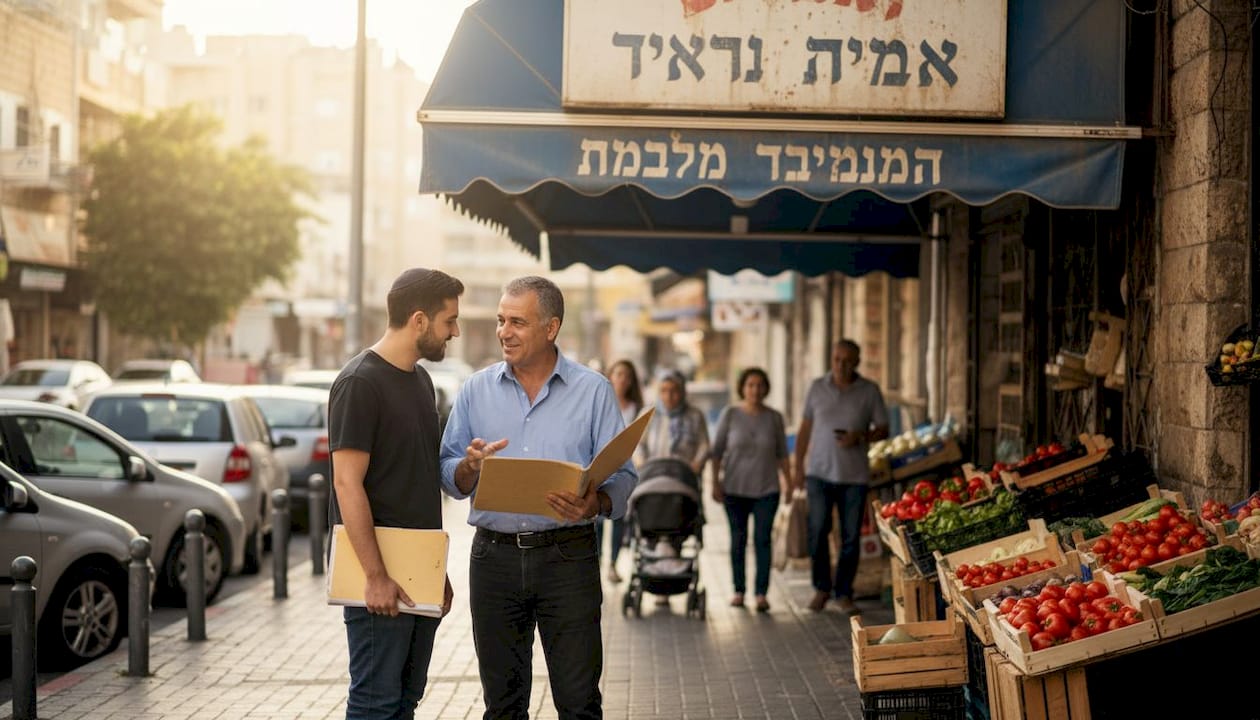
For choosing communities, Jerusalem neighborhoods like Baka and Katamon attract professionals who want walkability, culture, and a Modern Orthodox environment. Ra’anana and Modi’in appeal to families who prefer a suburban feel with strong schooling and easier highway access to Tel Aviv’s job market.
Pro Tip: Before committing to any neighborhood, spend at least one Shabbat there. Walk to shul, talk to families after davening, and eat a meal with locals. No amount of online research replaces that firsthand read.
Understanding community types for observant buyers before you visit will sharpen your questions and help you evaluate fit faster. And if Beit Shemesh is on your list, detailed guidance on buying in Beit Shemesh can save you significant time and money.
Once you’ve identified the right neighborhood, understanding what Israel actually gives you as a new immigrant changes your financial planning entirely. The support system is substantial. Sal Klita, rent subsidies, health coverage, ulpan, tuition discounts, tax breaks, mortgage discounts, and customs exemptions are all available to qualifying new immigrants.
Here’s a quick reference of the primary benefits in 2026:
| Benefit | What it covers | Duration |
|---|---|---|
| Sal Klita | Direct cash absorption payments | First year |
| Rent subsidy | Partial rental assistance | Up to 2 years |
| Health coverage | Full Kupat Holim enrollment | Immediate |
| Ulpan | Free Hebrew language instruction | First 18 months |
| Tuition discounts | University and college fees | First 3 years |
| Tax exemption | Foreign-source income | Up to 10 years |
| Mortgage discount | Reduced rate housing loans | One-time eligibility |
| Customs exemption | Household goods and one vehicle | First 3 years |
To maximize these benefits, follow this sequence:
Pro Tip: The ten-year foreign income tax exemption is one of the most financially significant incentives for US families relocating to Israel. Many people underestimate it because they focus on the Sal Klita cash, which is actually much smaller in comparison.
For planning aliyah, NBN provides detailed timelines and checklists. And when evaluating your real estate options, reviewing property investment tips before signing anything will help you avoid costly missteps.
Even with all those benefits, aliyah is genuinely hard. Families who go in expecting smooth sailing often hit the same walls. Knowing what’s coming lets you prepare instead of react.
The most common challenges include:
“Integration challenges are mitigated by Anglo enclaves in the short term, but long-term success genuinely requires stepping beyond them.”
Pro Tip: Use agents for relocators who specialize in working with Anglo olim. They know which buildings have strong Anglo communities, which streets are noisier, and which sellers are motivated. That insider knowledge is worth far more than the commission.
Before your move, work through a first-time buyer checklist to make sure nothing slips through. Legal review, contract terms, and payment schedules in Israel differ meaningfully from what North American buyers expect.

Here’s the perspective that most aliyah guides won’t give you directly: Anglo enclaves are a gift and a trap at the same time. They lower the barrier to entry, reduce culture shock, and give your kids an easier first year. That’s real value. But communities where you can live entirely in English, shop in English, and socialize in English also create an invisible ceiling.
We’ve seen families thrive in Ramat Beit Shemesh for a decade and still struggle to hold a conversation in Hebrew. That’s not a failure of intelligence. It’s a predictable result of an environment where English works just fine. Insularity aids early transition but measurably slows long-term Hebrew fluency and professional integration.
The practical lesson is this: choose your neighborhood for hashkafa fit and family needs, but deliberately push yourself into Israeli spaces. Join a Hebrew-only shiur. Hire Israeli contractors and talk to them directly. Coach your kids’ soccer team in Hebrew, even badly. These small, uncomfortable choices compound over years into genuine belonging.
Hashkafa match is non-negotiable, but overspecializing into only Anglo contexts ultimately limits you. The families we’ve seen build the richest lives in Israel are the ones who used the Anglo community as a launchpad, not a permanent home base. If you’re weighing your options, navigating Israeli real estate is a good starting point for thinking about location and community together.
Ready to apply these insights? Here’s how Yigal Realty can simplify your aliyah journey. Moving to Israel is one of the most significant decisions your family will make, and the real estate piece deserves expert support. Yigal Realty specializes in Beit Shemesh and surrounding areas, working specifically with observant Anglo families and professionals who need guidance that goes beyond generic listings. From matching your hashkafa to the right neighborhood, to explaining Israeli real estate incentives and walking you through every contract clause, the team brings local knowledge that saves time, money, and stress. Reach out to get personalized guidance built around your family’s goals.
Sal Klita, rent subsidies, health coverage, tuition discounts, and tax breaks are all available to qualifying new immigrants to ease the transition. The ten-year foreign income tax exemption is often the most financially significant benefit for North American families.
Ramat Beit Shemesh and several other neighborhoods including Ramat Eshkol, Baka, Katamon, Modi’in, Ra’anana, and Efrat offer strong English-speaking infrastructure and religious amenities for observant families.
Professionals gain access to Israel’s thriving tech hub, high-demand industries, and substantial tax incentives, making it a compelling career environment alongside the lifestyle benefits.
Culture shock, Hebrew language barriers, housing affordability, and integration difficulties are common, but each can be managed with good preparation, the right community, and professional support.
NBN-facilitated aliyah delivers a 95% retention rate and positive economic impact, though deep integration still requires intentional engagement beyond the comfort of Anglo enclaves.