%20(4).png)
![[background image] image of cityscape background (for an architect firm)](https://cdn.prod.website-files.com/68961ade6feff9cbdffc080d/69384e066e0e9a310b6817f8_061f6bac-48bf-44b8-a689-078dacd8009f.avif)
Finding the right home in Israel can feel overwhelming when your family’s priorities include proximity to vibrant Jewish schools, synagogues, and cultural centers. For American Jewish families planning aliyah in 2025, understanding how Israeli property laws and community structures differ from what you’re used to is key. Beit Shemesh stands out for its strong religious communities and support networks, offering affordable housing and the kind of thoughtful infrastructure specifically built for observant lifestyles.
| Point | Details |
|---|---|
| Understanding Israeli Real Estate | The system relies on long-term leases and a Torrens title registration, differing from American property ownership. Most land is state-managed, ensuring security and transparency in transactions. |
| Cultural Significance for Jewish Families | Real estate acquisition in Israel is tied to the Law of Return, allowing Jews and their spouses to obtain citizenship, connecting them to their heritage. |
| Beit Shemesh Advantages | Beit Shemesh offers a family-oriented community with religious infrastructure and lower housing costs compared to major cities like Jerusalem and Tel Aviv. |
| Important Legal and Financial Considerations | American buyers need specialized legal and tax guidance to navigate Israeli property laws, including understood tax obligations in both the U.S. and Israel. |
Israeli real estate works differently than what you’re used to in America. The country’s property law framework combines common law traditions with a Torrens title registration system, creating a secure and transparent process for property transfers. Most urban properties can be privately owned, though over 90% of Israeli land is managed by state entities or held in long-term leases, typically spanning 99 years. This structure actually protects your investment while keeping prices more reasonable than you might expect.
For Jewish families, buying Israeli real estate carries profound meaning beyond the financial aspect. The Law of Return grants Jews and their spouses the right to settle in Israel and obtain citizenship, creating a unique pathway for property ownership that other nationalities don’t have. Many families view real estate acquisition as connecting to their ancestral heritage while building a tangible future for their children in a Jewish-majority nation.
Beit Shemesh specifically offers what many American Jewish families are searching for: strong religious communities, excellent schools aligned with your values, and neighborhoods designed for observant lifestyles. The city sits between Jerusalem and Tel Aviv, giving you proximity to major job centers while maintaining a tight-knit community feel. Properties here range from modern apartments to family homes with yards, and the market caters specifically to families seeking religious infrastructure and communal support.
The buying process itself is straightforward once you understand the basics. Israeli real estate agents handle much of the paperwork, and having a specialized firm familiar with American buyers removes enormous friction from the transaction. You’ll need a Hebrew speaker or translator for official documents, but firms experienced with international clients streamline this requirement.
What makes this different from American real estate is the rental potential. Many families use their Israeli properties as rental investments when they’re not living there, creating income streams that offset ownership costs significantly. This flexibility appeals strongly to families planning multiple trips or gradual aliyah timelines.
Here’s a comparison of Israeli and American real estate ownership models for Jewish families:
| Aspect | Israeli System | American System |
|---|---|---|
| Common Ownership Form | Long-term lease (99 years) | Fee simple ownership |
| Land Ownership | 90% state-managed | Mostly privately owned |
| Title Security | Torrens registry, high security | County deeds registry, variable security |
| Buyer Rights | Law of Return for Jews and spouses | No nationality-based rights |
| Rental Potential | Common for dual-residency income | Standard investment model |
| Citizenship Pathway | Linked to property for Jewish families | No property-based citizenship |
Pro tip: Work with agents who specifically understand American buyer timelines and financing options, as they can guide you through currency considerations and help coordinate with US tax advisors before you commit.
Israeli real estate comes in several distinct varieties, each serving different lifestyles and investment goals. You’ll find modern apartment buildings in city centers, garden homes with private outdoor space, and residential developments designed for religious families. Properties range from contemporary luxury units to traditional family homes, with many newer constructions offering amenities specifically tailored to observant Jewish living.
Beit Shemesh neighborhoods cater directly to American Jewish families seeking community infrastructure. These areas feature multiple types of housing options that balance modern comfort with traditional community values. You’ll encounter properties built around kibbutzim principles, moshav-style cooperative villages, and planned developments with shared religious and social centers.
Community features distinguish Israeli neighborhoods from typical American suburbs. Religious settlements include synagogues within walking distance, kosher grocery stores, schools with Torah-centered curricula, and mikvahs that form the backbone of observant life. Many developments organize around central squares or community centers where families naturally interact, creating the tight-knit atmosphere American families often relocate specifically to find.
The infrastructure supporting these communities reflects decades of planning by organizations focused on Jewish settlement. Educational institutions range from preschools through advanced yeshivas, with many schools offering bilingual Hebrew-English programs perfect for families in transition. Religious centers aren’t afterthoughts but foundational elements, built into neighborhood design from the start.
What makes Beit Shemesh particularly appealing is how neighborhoods organize themselves around family needs. You’ll find playgrounds, community gardens, youth programs, and social groups for new olim that ease your family’s integration. Properties here typically come with access to community infrastructure that American developments simply don’t build, because they’re designed for permanence and cultural cohesion rather than transient suburban living.
Beyond residential options, some families explore investment properties or mixed-use developments that combine living space with rental potential. This flexibility allows you to maintain your American home while building Israeli real estate equity, or gradually transition your family through strategic property purchases over multiple years.
Pro tip: Visit neighborhoods multiple times at different times of day and week to experience community rhythms before buying, and speak with families who recently made the move to understand realistic expectations about neighborhood culture and services.
Beit Shemesh isn’t just another Israeli city. It’s a strategically positioned hub that combines affordability with proximity to major urban centers, making it the logical choice for American Jewish families planning their aliyah. Located between Jerusalem and Tel Aviv, the city sits at a crossroads that gives you access to job opportunities, cultural institutions, and family support networks without the premium pricing of living directly in either major metro area.
What sets Beit Shemesh apart is its deliberate design around observant Jewish life. The city has experienced rapid growth specifically because of families like yours seeking strong community infrastructure. Synagogues, kosher markets, religious schools, and mikvahs aren’t scattered throughout the city; they’re woven into neighborhood planning from the ground up. This intentional development means your family arrives to a fully functioning religious ecosystem rather than piecing it together.
Developments like Rotshtein Heights exemplify what makes the city attractive to American families. These modern housing communities serve English-speaking immigrants with specifically designed apartments, public spaces fostering close-knit living, and planned facilities including synagogues and schools. You’re not buying into a generic residential project; you’re joining a community built with your family’s needs in mind.
The cost advantage matters significantly. Housing prices in Beit Shemesh run substantially lower than Jerusalem or Tel Aviv, while still offering modern construction and quality amenities. This pricing structure allows families to invest in larger properties, rental apartments for income generation, or simply allocate more resources toward integrating your family into community life. Your real estate budget stretches further here than virtually anywhere else in Israel’s population centers.
Beit Shemesh also boasts strong schools and cultural infrastructure making it ideal for families with children. English-speaking immigrant populations mean established support networks, playgroups, and social connections already exist when you arrive. Parks, youth programs, and cultural centers provide the quality-of-life amenities American families expect while maintaining the tight community bonds that define Israeli life.
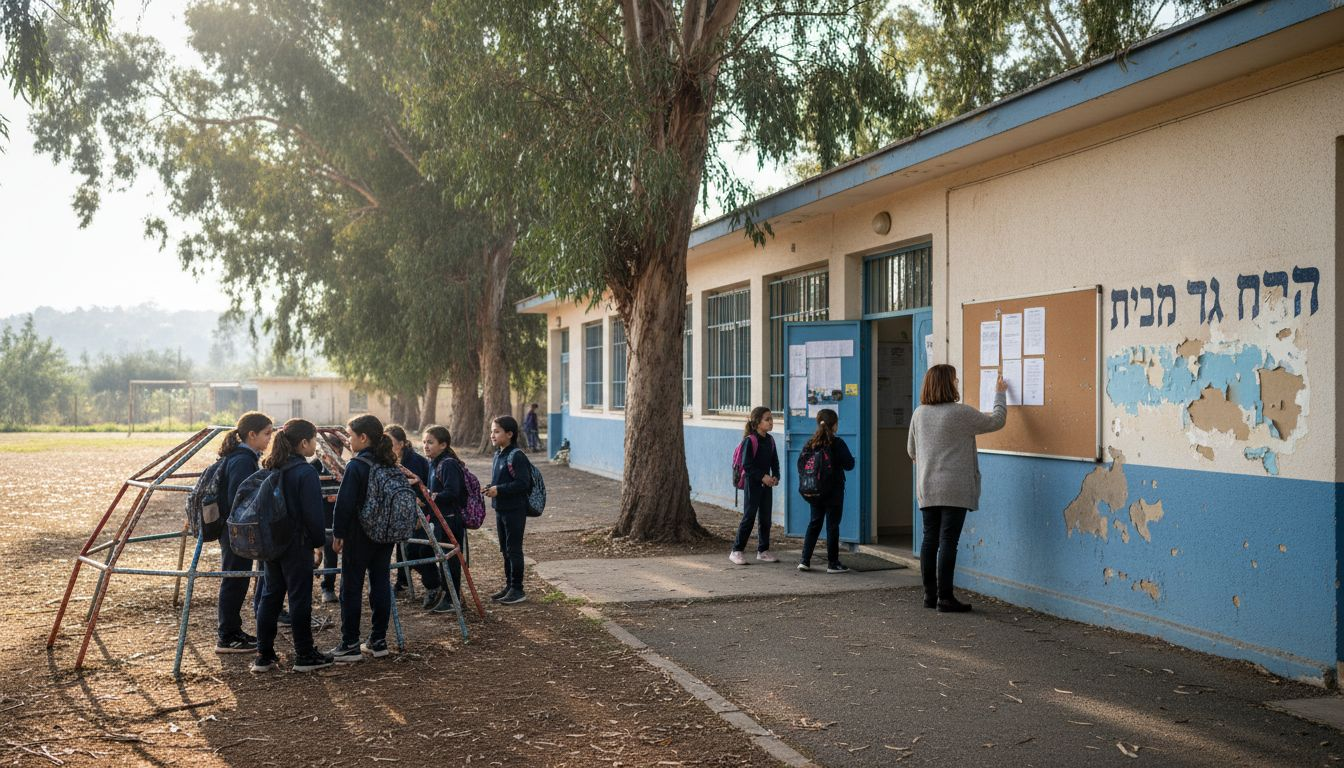
The city continues expanding strategically. Development plans aim to increase population and enhance infrastructure, meaning property values and community services will strengthen over time. Buying now positions your family ahead of these improvements, creating both lifestyle benefits and long-term investment appreciation.
Pro tip: Visit Beit Shemesh for an extended stay before purchasing to experience neighborhoods during weekdays, weekends, and holiday periods, allowing you to assess community dynamics and infrastructure beyond what brief site visits reveal.
Buying property in Israel as a U.S. citizen involves legal procedures fundamentally different from American real estate transactions. The process combines aspects of common law with Israeli-specific regulations, requiring you to understand how title registration, long-term leases, and tax implications work under Israeli law. This isn’t complicated, but it does require specialized guidance from professionals familiar with both systems.
Your first step involves establishing residency or citizenship status. Under the Law of Return, Jewish citizens and their spouses have the right to settle in Israel and obtain citizenship, which streamlines property ownership considerably. You don’t need citizenship immediately to purchase, but understanding your immigration status affects how you approach the transaction and what documentation you’ll need. Many families coordinate their property purchase with their aliyah timeline, using real estate acquisition as part of their immigration planning.
Once ready to purchase, you’ll engage a real estate agent and legal counsel specializing in Israeli law. This combination is critical because Israeli real estate transactions involve specific legal procedures and regulatory requirements that differ substantially from U.S. closings. Your attorney will handle title searches, verify ownership through the Israel Land Registry, ensure you understand any lease terms, and manage the registration process.
Understanding property rights represents a key difference. Most Israeli land involves long-term leases, typically 99 years, rather than outright fee simple ownership. This lease structure actually provides strong protections and is standard practice. Your attorney will ensure you comprehend exactly what you’re purchasing and what rights come with your property.
Tax considerations deserve serious attention. U.S. citizens face both Israeli and American tax obligations on their Israeli property. You’ll encounter purchase taxes, ongoing property taxes, and potential capital gains taxes when selling. Consulting with a tax advisor experienced in U.S. Israeli real estate before purchasing prevents costly surprises later. This step matters far more than most first-time buyers realize.
The closing process requires transferring funds, signing documents, and registering your ownership with the Israel Land Authority. Your legal team coordinates all steps, ensuring proper documentation and recording. Most transactions complete within weeks once you’ve selected your property and agreed to terms.
Pro tip: Hire both an Israeli real estate attorney and a U.S. tax advisor before making an offer, as their input during the selection phase prevents legal and financial complications that are exponentially more expensive to fix after purchase.
Israeli real estate comes with financial obligations that differ significantly from American property ownership. Understanding these costs upfront prevents budget surprises and helps you plan your aliyah finances accurately. The expenses break down into three categories: acquisition costs, ongoing ownership costs, and tax liabilities that persist even after purchase.

Acquisition costs start with the purchase price itself. You’ll also pay a purchase tax ranging from 3.5% to 8% depending on the property value and whether you’re a first-time buyer. Registration fees with the Israel Land Authority add another 1% to 1.5% of the purchase price. Many buyers also hire a private surveyor and property inspector, adding 500 to 1500 dollars to your transaction costs. These upfront expenses typically total 7 to 10 percent beyond your purchase price.
Ongoing ownership involves municipal taxes and potentially land appreciation taxes. Municipal taxes cover local services like garbage collection, street maintenance, and community infrastructure. These run approximately 1 to 2 percent of your property’s assessed value annually. Property ownership also involves long-term lease costs from authorities like the Israel Land Authority, though these vary based on your specific lease terms and aren’t applicable to all properties.
Tax obligations for U.S. citizens require careful attention. New immigrants receive tax benefits to encourage aliyah, including potential exemptions on certain income sources. However, Israel’s taxation system applies capital gains taxes and property taxes to real estate transactions and ongoing ownership. You’ll owe Israeli taxes on rental income if you lease your property, and American taxes as a U.S. citizen with worldwide income. This double taxation scenario makes working with a specialized tax advisor absolutely essential.
When you eventually sell, capital gains taxes apply to your profit. The rate depends on how long you’ve owned the property and your residency status. New immigrants often benefit from reduced capital gains rates during their first years in Israel, making early purchase timing advantageous.
Here’s a quick summary of typical costs and taxes for U.S. buyers purchasing in Israel:
| Cost Type | Typical Range | Description |
|---|---|---|
| Purchase Tax | 3.5% to 8% of price | Varies by property value and buyer status |
| Registration Fees | 1% to 1.5% of price | Paid to Israel Land Authority |
| Municipal Taxes | 1% to 2% annually | For local services, assessed value basis |
| Surveyor/Inspection | $500 - $1,500 one-time | Private surveys, varies by region |
| Capital Gains Tax | Rate varies | Based on profit, residency affects rate |
Financing your purchase offers flexibility. While Israeli mortgages exist, many American families use U.S. home equity lines of credit or bridge loans because the rates are often more favorable. Currency considerations matter too, as shekel fluctuations affect your dollar costs.
Pro tip: Build your budget with costs at 15 to 20 percent above the purchase price to cover acquisition expenses, taxes, and professional fees, then work backwards to determine your maximum affordable property price.
Israeli real estate investment carries genuine risks that deserve honest evaluation before you commit capital. Market volatility, geopolitical factors, and regulatory changes can impact property values and your ability to sell quickly. Understanding these risks doesn’t mean avoiding Israeli real estate, but rather making informed decisions with realistic expectations about what can go wrong.
Geopolitical instability represents the most obvious concern for American families. Security situations can escalate unpredictably, affecting both property values and your family’s comfort level living in Israel. Some neighborhoods experience more stability than others, and Beit Shemesh’s location provides relative insulation from border tensions compared to northern communities. However, acknowledging this risk as real rather than theoretical keeps your expectations grounded.
Market fluctuations also matter. Israeli real estate isn’t immune to economic downturns, and property values can decline during recessions or periods of political uncertainty. You might purchase at a market peak and face years of declining value before recovery. This risk amplifies if you’re financing your purchase with leverage, as declining equity can create financial strain.
Regulatory and tax changes pose subtle but significant risks. Israeli tax laws evolve, and U.S. tax treatment of foreign property ownership shifts periodically. Geopolitical factors and regulatory environments create ongoing risk considerations for real estate investors globally, requiring continuous monitoring. What’s tax advantaged today might become disadvantaged tomorrow.
If Israeli real estate feels too risky or doesn’t align with your timeline, alternatives exist. Renting in Israel indefinitely allows you to test aliyah without illiquid capital commitments. Some families invest in Israeli mutual funds or bonds rather than physical property, maintaining liquidity while participating in the economy. Alternative investment vehicles like private equity, hedge funds, and venture capital offer diversification benefits, though with their own risk profiles.
Many families adopt a hybrid approach. You might rent initially while building Israeli community connections, then purchase once you’re confident about your long-term commitment. This staged strategy reduces risk by converting what would be irreversible capital into experience and clarity about your family’s aliyah goals.
Pro tip: Never purchase Israeli real estate with funds you’ll need within five years, as market downturns and illiquidity could force you to sell at losses during recovery periods.
Jewish families face unique challenges when investing in Israeli real estate, from navigating long-term lease structures to integrating into observant communities like Beit Shemesh. Finding properties that align with your religious values and securing the right legal and financial support is critical to building a meaningful legacy in Israel. You want more than just a house; you want a home that fosters community connection, supports your family’s spiritual life, and offers strong rental potential as described in the article.
At Yigal Realty, we specialize in helping American buyers overcome these challenges. Our deep expertise in Beit Shemesh and similar neighborhoods means you gain exclusive access to developments tailored for religious families. We provide personalized guidance every step of the way, from selecting projects that fit your lifestyle to managing complex paperwork and understanding tax implications. Don’t miss the opportunity to secure your family’s place in a vibrant, faith-centered community.
Ready to connect with agents who truly understand your goals? Visit Yigal Realty’s main site to explore current property listings, learn more about religious developments, and schedule a consultation. Take action today to transform your aliyah dreams into lasting reality with trusted Israeli real estate professionals.
Investing in Israeli real estate offers Jewish families a connection to their ancestral heritage while securing property in a Jewish-majority nation, along with potential rental income and long-term value appreciation.
The Israeli buying process involves specific legal procedures, including long-term leases and a unique title registration system, and often requires consultation with specialized real estate agents and legal counsel familiar with both Israeli and U.S. regulations.
Families should consider community infrastructure, the presence of religious institutions, educational facilities, and the general lifestyle that aligns with their values when relocating and purchasing property in Israel.
Yes, U.S. citizens face tax obligations in both countries, including purchase taxes, ongoing municipal taxes, and potential capital gains taxes upon selling the property, making it crucial to consult a tax advisor experienced in international real estate.