%20(4).png)
![[background image] image of cityscape background (for an architect firm)](https://cdn.prod.website-files.com/68961ade6feff9cbdffc080d/69384e066e0e9a310b6817f8_061f6bac-48bf-44b8-a689-078dacd8009f.avif)
Every parent weighing a move to Israel knows that choosing the right neighborhood means more than finding a new address. With urban population growth in Israel accelerating, especially in sought-after observant areas like Beit Shemesh, real estate decisions for 2025 are more strategic than ever. Whether you prioritize vibrant communities or investment value, understanding property trends shaping Israel in 2025 prepares your family for confident choices in a market where timing and insight truly matter.
| Point | Details |
|---|---|
| Understanding Market Trends | Recognizing property trends enables informed decisions regarding buying properties in Israel, especially considering factors like urban population growth and neighborhood development. |
| Diverse Buyer Profiles | Different buyer types, such as first-time buyers and investors, have varying priorities that determine their purchasing strategies and community needs. |
| Importance of Timing | Market conditions can shift rapidly; staying updated on price trends helps gauge when to buy and maximize investment potential. |
| Legal Awareness | Changes in real estate regulations, including tax implications and financing rules, are crucial for avoiding potential legal pitfalls in transactions. |
Property trends are patterns in how the real estate market moves and changes over time. They reflect what buyers want, where they want to live, and how much they’re willing to pay. Understanding these trends helps you make smarter decisions about buying property in Israel.
For American Jewish families considering relocation, 2025 brings a unique convergence of factors shaping the market. Urban population growth in Israel continues accelerating, particularly in established communities like Beit Shemesh. This increased demand directly impacts pricing, availability, and neighborhood development patterns you need to evaluate.
Property trends aren’t just about prices going up or down. They encompass multiple dimensions:
In 2025, several interconnected factors drive Israel’s property landscape. Government infrastructure investments, policy changes, and demographic shifts create opportunities for informed buyers. Israeli government planning initiatives outlined for 2025 include transportation improvements and community development that directly affect property values.
For observant families, trends also reflect community growth. Neighborhoods with strong schools, synagogues, and religious services see sustained demand. Conversely, areas with limited community infrastructure may struggle despite attractive pricing.
Recognizing property trends means understanding the “why” behind price movements, not just the numbers themselves.
You’ll encounter terms like “market appreciation,” “inventory levels,” and “price-per-square-meter” throughout your search. These metrics tell you whether you’re entering a buyer’s market (favoring your negotiating position) or a seller’s market (requiring competitive offers).
The distinction matters significantly. In buyer-friendly markets, you can negotiate more aggressively. When supply is tight, you need pre-approval, clear documentation, and speed to win bids.
Many American buyers underestimate how quickly Israeli property trends shift. Market conditions that held true six months ago may not reflect current reality. This makes working with experienced local agents essential—they track these movements daily.
Pro tip: Start tracking property prices in your target neighborhoods now, even if you’re not buying immediately. You’ll quickly spot whether prices are rising, stabilizing, or declining—this pattern tells you far more than any single listing price.
Not all Israeli properties look or function the same way. Understanding what’s available helps you narrow your search and avoid wasting time on unsuitable options. Property types vary dramatically by location, age, and intended use.
Israeli homes break into several main categories that appeal to different buyers:
For observant American families, new construction properties in Israel often appeal because developers anticipate religious community needs—built-in spaces for prayer, kosher kitchens, and Shabbat-friendly layouts.
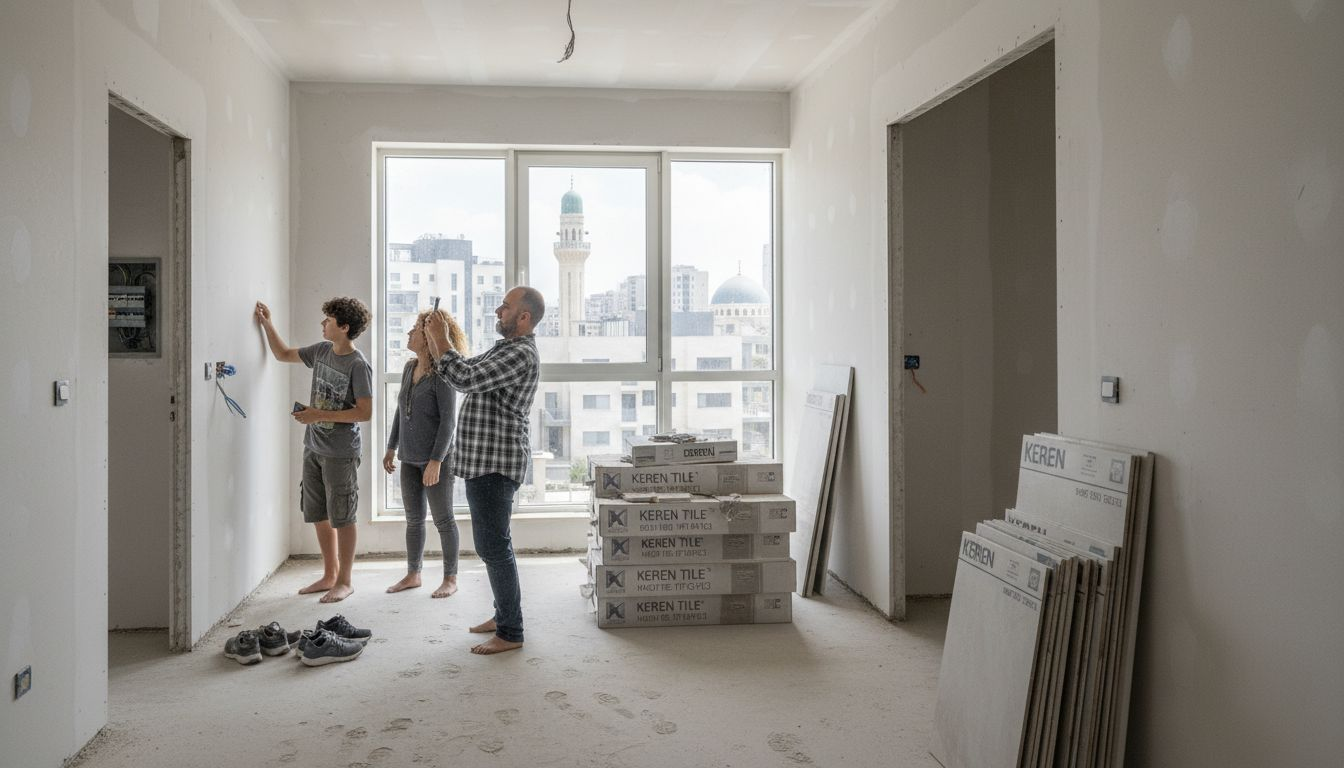
Buyer profiles in 2025 have shifted noticeably. Recent home buyer demographics show increased diversity in who enters real estate markets. For Israel specifically, you’ll encounter several distinct buyer types:
First-time homebuyers represent families making their initial move to Israel. They often prioritize location near schools and community institutions over size or luxury features. Budget consciousness shapes their decisions significantly.
Relocating families arrive with established financial capacity and specific neighborhood preferences. These buyers know what they want—proximity to their synagogue, good schools for their children, and community connections. They move faster and accept fewer compromises.
Investment buyers purchase multiple properties for rental income or appreciation. They analyze neighborhood growth potential and rental demand metrics rather than personal preference. These buyers negotiate harder and require precise return-on-investment calculations.
Upgraders sell existing Israeli properties to purchase larger homes. They understand the market intimately and move decisively when opportunities arise.
Your buyer profile determines how you approach negotiations, financing, and timeline expectations.
American Jewish families typically combine characteristics of relocating families and first-time buyers. You bring financial resources but lack Israeli market knowledge. You value community proximity but may be unfamiliar with neighborhood dynamics.
The observant community adds another layer. You need properties in neighborhoods with established religious infrastructure. This narrows your options but increases demand density in specific areas like Beit Shemesh and Jerusalem’s religious quarters.
Property type preference varies by family stage. Young families prioritize proximity to schools and parks. Established families seek investment potential. Retirees want low-maintenance properties with quality healthcare access.
Here is a comparison of major buyer profiles and their main priorities in the Israeli property market:
| Buyer Profile | Key Priorities | Common Challenges |
|---|---|---|
| First-Time Buyers | Affordability, community | Market unfamiliarity |
| Relocating Families | Proximity to schools, synagogues | Limited inventory in preferred areas |
| Investors | ROI, rental demand | Regulatory complexity |
| Upgraders | More space, neighborhood quality | Selling existing property |
Pro tip: Identify your buyer profile honestly before house hunting—are you a first-time buyer, investor, or upgrader? Your profile determines which properties deserve serious attention and which represent poor fits, saving months of wasted searches.
Beit Shemesh isn’t standing still. The city is transforming rapidly with major construction projects that create genuine opportunities for American Jewish families seeking modern properties with community infrastructure already in place.
The most significant project reshaping the city is the Ramat Lechi urban renewal complex reconstruction. This phased demolition and rebuilding initiative will deliver approximately 1,200 new apartments alongside schools, community centers, and public institutions. The project represents strategic investment in housing quality and neighborhood development.
What makes this important for you? New construction properties typically come with warranties, modern building codes, and amenities designed for contemporary living. For observant families, new developments often include communal prayer spaces and infrastructure supporting religious life.
Beit Shemesh’s expansion offers several advantages:
The key real estate trends shaping Beit Shemesh for 2025 include continued population growth and infrastructure investment. This drives demand while new construction supplies housing to meet that demand.
Timing matters significantly. Early-phase projects offer lower prices and better payment terms. Later phases command premium pricing as infrastructure proves successful and neighborhoods mature. Many savvy buyers purchase in phase one and watch values appreciate through subsequent phases.
New developments provide certainty about your physical environment—you see exactly what you’re buying rather than inheriting older building surprises.
Beit Shemesh’s religious character attracts observant families specifically. Neighborhoods developing around new projects attract families seeking community connection. Schools open alongside residences, creating established communities from day one rather than gradually over years.
Transaction speed differs in new construction. Developers handle most paperwork, reducing complexity compared to private sales. Bank financing proves simpler since properties carry builder warranties and clear legal standing.
However, new construction requires patience. Construction delays happen. Unit availability depends on building schedules. Payment structures involve down payments spread across construction phases rather than traditional mortgages.
Americanbuyers often underestimate the appeal of living in developing neighborhoods. You get modern amenities, established infrastructure, and community character simultaneously—rare in mature neighborhoods where you compromise between one factor and others.
Pro tip: Visit new developments during weekday afternoons when fewer visitors are present, then return on Shabbat to observe the neighborhood’s actual character. How do residents interact? What services operate? This reveals the real community experience beyond sales presentations.
Israel’s real estate rules shift regularly. Laws that governed property purchases last year may not apply in 2025. Understanding regulatory changes protects you from costly surprises and missed opportunities.
The Israeli government continuously adjusts housing policy to manage market dynamics and affordability. These changes affect everything from acquisition costs to financing options to tax obligations. American buyers unfamiliar with Israeli legal frameworks often overlook critical deadlines or compliance requirements.
Recent Israeli real estate law updates address property taxes, building regulations, and purchase requirements impacting 2025 transactions. Tax rates fluctuate based on property type, buyer status, and municipality location. A single percentage-point increase in acquisition tax substantially raises your total purchase cost.
Key regulatory areas affecting buyers include:
Updated compliance requirements for Israeli property transactions include enhanced documentation standards and beneficial ownership disclosures. These measures combat money laundering but require careful preparation from international buyers.
American citizens face unique considerations. The Foreign Account Tax Compliance Act (FATCA) and Common Reporting Standard (CRS) create reporting obligations for U.S. citizens holding foreign real estate. These aren’t Israeli regulations, but they affect your total tax picture significantly.
Regulatory changes in 2025 create both restrictions and opportunities—those who adapt quickly gain advantages over slower-moving competitors.
Beit Shemesh specifically operates under municipal zoning regulations that may differ from neighboring areas. Building restrictions, density limits, and land use designations shape which properties qualify for specific purposes. Commercial use, rental operations, or vacation rentals may face limitations.
Investor protections vary considerably. Foreign investors receive different treatment than Israeli citizens in some scenarios. Rental income reporting, capital gains taxation, and reinvestment restrictions apply differently based on citizenship status.
Mortgage regulations changed significantly. Bank lending to foreign buyers tightened in recent years. Down payment requirements increased. Interest rates for non-residents typically exceed rates for Israeli citizens.
Don’t assume yesterday’s rules apply today. Consulting with a local attorney familiar with 2025 regulations prevents costly errors. Your purchase agreement must reflect current legal requirements, not assumptions based on friends’ previous experiences.
Pro tip: Request written confirmation from your real estate agent and attorney listing all applicable taxes, fees, and regulatory requirements specific to your transaction before signing any documents—costs often exceed expectations when hidden fees and recent regulatory changes aren’t explained upfront.
Israeli property prices don’t rise randomly. Understanding what pushes costs up helps you evaluate whether you’re paying fair value or overpaying during market peaks. Multiple interconnected factors drive real estate expenses in 2025.

Housing scarcity remains the primary cost driver. Israel’s population grows faster than construction capacity. This supply-demand imbalance pushes prices upward regardless of economic conditions. Beit Shemesh attracts families seeking affordable alternatives to Jerusalem and Tel Aviv, but even “affordable” locations command premium prices due to limited inventory.
Key economic and geopolitical factors influencing Israeli property prices include foreign investment flows, regional stability concerns, and government housing policy. Foreign capital entering the market competes with local buyers, elevating prices. Regional tensions create periodic uncertainty that sometimes suppresses demand but often strengthens demand from buyers seeking security through real estate investment.
Specific cost drivers affecting your purchase include:
Taxes represent your largest hidden cost. Acquisition tax typically ranges from 3% to 8% depending on property value and buyer status. Stamp duties, legal fees, and registration charges add another 2-4% to transaction costs. Many American buyers budget only the property price, then shocked when total closing costs reach 10-15% above purchase price.
Understanding cost components before making an offer prevents budget overruns and negotiation failures.
Investment risks deserve serious consideration. Property value appreciation isn’t guaranteed. Market corrections happen. Regional security escalations suppress demand. Construction delays affect new development returns. Rental income proves unpredictable if tenant regulations change.
Foreign currency risk affects American investors specifically. Your purchase price in shekels remains fixed, but conversion back to dollars depends on exchange rates. A 10% shekel decline against the dollar reduces your dollar-denominated gains significantly.
Geopolitical risk influences long-term returns. Israel’s unique security situation creates periodic uncertainty. Properties in conflict-adjacent areas face deeper discounts and slower appreciation. Beit Shemesh, located in relative stability, experiences more predictable appreciation than frontier areas.
Rental market challenges limit investor returns. Rent control regulations restrict pricing flexibility. Tenant protection laws complicate eviction procedures. Property management costs exceed typical American expenses due to regulatory complexity.
Market cycles affect timing significantly. Buying at peaks means slower appreciation or potential losses. Buying during downturns maximizes long-term gains. Reading market timing correctly proves difficult for first-time investors.
Below is a summary table of leading cost drivers and risks for property buyers in Israel in 2025:
| Cost Driver or Risk | Impact on Buyers | Example Consideration |
|---|---|---|
| Land Scarcity | Drives up price | Fewer plots raise apartment costs |
| Taxation & Fees | Raises transactions by 10-15% | Acquisition tax, legal fees |
| Currency Fluctuations | Alters ROI for foreigners | Dollar-shekel exchange rates |
| Geopolitical Uncertainty | Affects long-term appreciation | Regional tensions dampen demand |
| Supply Constraints | Limits affordable options | Delayed new projects |
Pro tip: Calculate your true all-in purchase cost by adding 12% to the property price for taxes and fees, then compare that figure against your budget before beginning serious negotiations—this prevents falling in love with properties you cannot actually afford.
Understanding the intricate property trends and regulatory changes in Israel for 2025 can feel overwhelming. From shifting buyer demographics and neighborhood demand to legal updates and hidden costs, American Jewish families face unique challenges in securing the ideal home in communities like Beit Shemesh. Key concepts such as buyer profiles, new construction benefits, and transaction timing are crucial to making confident decisions.
At Yigal Realty, we specialize in helping buyers navigate these complexities with personalized support tailored to observant families. Explore our current developments featuring properties designed for religious lifestyles and learn how our local insights and flexible payment plans give you an edge in a competitive market. Don’t wait until changing regulations or escalating prices limit your options. Visit Yigal Realty’s site today and connect with agents ready to guide you on your journey to secure the perfect home before opportunities pass you by.
The property trends for 2025 in Israel are driven by urban population growth, government infrastructure investments, demographic shifts, and changes in buyer demographics. Understanding these factors is essential for predicting market movements.
Location preferences significantly influence property values, as neighborhoods with strong community infrastructure, schools, and religious amenities tend to see higher demand and, consequently, increased prices.
Buyers can consider various types of properties including apartments in older buildings, new construction apartments, single-family homes, townhouses, duplexes, and semi-detached homes, depending on their needs and budget.
Investing in Israeli real estate carries risks such as market fluctuations that could affect property value, foreign currency risks for international buyers, and regulatory changes that impact taxes and tenant laws, all of which need to be carefully evaluated.