

Neve Shamir is a practical choice for families and investors who want a newer, growing section of Ramat Beit Shemesh with active construction and a real resale market. If you need to move soon, a resale unit gets you into the community without waiting out a build. If budget matters more than timing, pre-construction pricing can offer an edge, provided you accept delivery-date risk. This guide walks through current projects, pricing signals, Israel’s purchase-tax rules, and a checklist for deciding between the two paths.
TL;DR:
- Resale units in Neve Shamir allow buyers to move in immediately and participate in community life without waiting for construction completion.
- Public tenders, like the recent award for 239 units, signal substantial future supply and potential resale price pressures within the next year or more.
- Purchase tax rates in 2026 have a zero threshold up to approximately 1.98 million NIS, making accurate tax bracket calculations vital before signing.
- Developers’ delivery dates are estimates that often slip by months, so confirming timelines and understanding phased amenities are crucial.
- Long-term residents should monitor infrastructure development, as ongoing road and utility work may cause temporary disruptions before community facilities are fully completed.
Neve Shamir sits within Ramat Beit Shemesh Heh, a planned quarter that has grown around newer apartment blocks, parks, and family-oriented layouts rather than older, denser construction. It sits closer to the newer development edge of Ramat Beit Shemesh, with road and bus links connecting to the rest of Beit Shemesh and onward toward Jerusalem, which remains commutable for residents who work in the city.
The neighborhood has drawn a notable concentration of young families and English-speaking olim, a pattern that shapes the kind of schools, synagogues, and informal community services that have sprung up around it. Developers and local reporting reference parks, playgrounds, and shared community facilities as part of the area’s planning, though the exact amenities vary by project phase.
Buyers touring the area will typically see:
That mix means a short walk can take you from a finished block with landscaped paths to a site with cranes still running, so visiting at different times of day gives a more honest read on noise and dust before you commit.
Supply in Neve Shamir comes from a combination of private developer projects and publicly tendered plots, and the two move at different speeds. Developer marketing typically advertises a mix of three, four, and five-room apartments alongside garden units and penthouses, with phased delivery windows that shift as construction progresses. Treat any developer-quoted occupancy date as an estimate rather than a fixed promise, since phased projects routinely slip by months.
Community amenities tied to specific projects, such as shared courtyards, playgrounds, or planned sports facilities, matter for day-to-day life but are not always finished at the same time as the apartments. Ask directly whether an amenity is funded and under construction or still a rendering in a sales brochure.
Municipal tender activity is the clearest early signal of where the next wave of supply will land. A public tender for Neve Shamir, Mekaraz 50/2026, listed 239 housing units released through municipal plots, a scale that points to substantial additional inventory arriving over the coming building cycles. When a tender like this clears, expect:
For buyers comparing options, a tender result is useful context, not a reason to delay a decision on a unit you can see and walk through today.
Resale apartments in Neve Shamir offer something new construction cannot: you can walk in, see the finish, and move in without waiting on a building schedule. Local reporting describes resale units as providing an immediate way to occupy and participate in the growing community rather than waiting years for a new-build delivery, and for buyers who need to settle quickly, that head start on community life and finished amenities carries real weight.
Most resale inventory in Neve Shamir comes from early buyers of the first project waves, so units tend to be only a few years old with modern layouts and standard finishes. Before relying on an asking price, check sold-price history and comparable listings on a neighborhood market data page, which tracks closed sales and active listings by building and room count. For investors, rental demand tends to track the same young-family and oleh population that buys in the neighborhood, so a two- or three-bedroom unit near schools and parks is usually the easiest to keep tenanted.
Before making an offer on a resale listing, confirm:
Purchase tax is the line item buyers most often underestimate, and it changes the real cost of a deal more than almost any other factor. For 2026, a single-residence buyer benefits from a zero-tax threshold up to roughly 1.98 million NIS, with stepped rates applying above that amount through a bracket structure frozen until January 15, 2028. A buyer who crosses into the next bracket by a small margin can end up paying meaningfully more tax on the portion above the threshold, which is why running the numbers before you negotiate matters.
Before signing anything, work through these steps:
First-time buyer status is not automatic. Occupation period rules and prior ownership tests can disqualify someone who technically never bought a home but holds an inherited share in one, so confirm your exact standing rather than assuming.
A viewing goes faster when you already know what to check. For any resale or new-build unit, confirm the delivery date in writing, the finish level (tiles, kitchen, bathroom fixtures), the building’s NOP permit status, homeowners’ association rules and fees, and whether storage and parking are included or sold separately. Ask directly which school catchment zone the address falls into, since zoning lines in a newer quarter can shift between phases.
On the financing side, check:
Red flags worth walking away from include a seller or developer who resists showing permit documents, a building committee with no reserve fund, or a delivery date that has already slipped once without explanation.
Pro Tip: If a developer won’t commit a delivery date to the contract itself rather than a marketing brochure, treat that as a warning sign, not a technicality.
As a rule of thumb: choose resale when you need to move in now and want price certainty, and choose pre-construction when you can absorb a later move-in date in exchange for a potentially lower entry price.
Neve Shamir’s population leans toward younger households, a mix of native Israeli families and a sizable share of English-speaking olim who settled in the quarter during its early building phases. That composition shows up in daily life through the prevalence of English alongside Hebrew in local parenting groups, synagogue announcements, and informal neighborhood networks, which makes the adjustment period shorter for new immigrant families than in older, more established parts of the city.
The religious-Zionist character of the surrounding Ramat Beit Shemesh area carries into Neve Shamir as well, with synagogue life and community institutions built around that orientation. Families moving in tend to prioritize proximity to schools and synagogues over other factors, which has shaped the pace and layout of new construction toward smaller, walkable blocks rather than large standalone towers.
Because the quarter is still filling in, its demographic profile is not yet fixed the way an older neighborhood’s would be. Each new building wave brings another cohort of buyers, often with similar life stages (young couples and families with school-age children) to the ones who arrived in earlier phases, which reinforces the area’s family-oriented character rather than diversifying it toward singles or retirees.
Beit Shemesh itself has a working industrial and commercial base, with employment opportunities in local businesses, light industry, and public-sector jobs, but a large share of residents in Ramat Beit Shemesh Heh, including Neve Shamir, commute out of the city for work. Jerusalem is the most common destination given its proximity and larger job market in education, healthcare, technology, and government administration.
That commuting pattern is itself an economic factor shaping residential choice: buyers weigh the cost advantage of Beit Shemesh housing against the time and expense of a daily commute into Jerusalem or Tel Aviv. For families where one or both earners work remotely or locally, the calculation shifts in Neve Shamir’s favor, since local housing costs tend to be lower than comparable Jerusalem neighborhoods while still offering access to the same labor market through a manageable commute.
Local economic development in Beit Shemesh, including commercial centers and light industrial zones, continues to add jobs within the city itself, which gradually reduces the share of residents who need to commute at all. For buyers evaluating Neve Shamir as a long-term home rather than a stepping stone, the direction of local employment growth is worth tracking alongside housing supply, since the two tend to move together over time.
Beit Shemesh, like other Israeli municipalities, maintains standard municipal security measures, including community policing coordination and civil-defense infrastructure tied to national requirements. Newer construction in quarters like Neve Shamir is built to current building codes, which include mandated protected spaces (mamad rooms) in residential units, a baseline safety feature that older housing stock elsewhere in the city may lack.
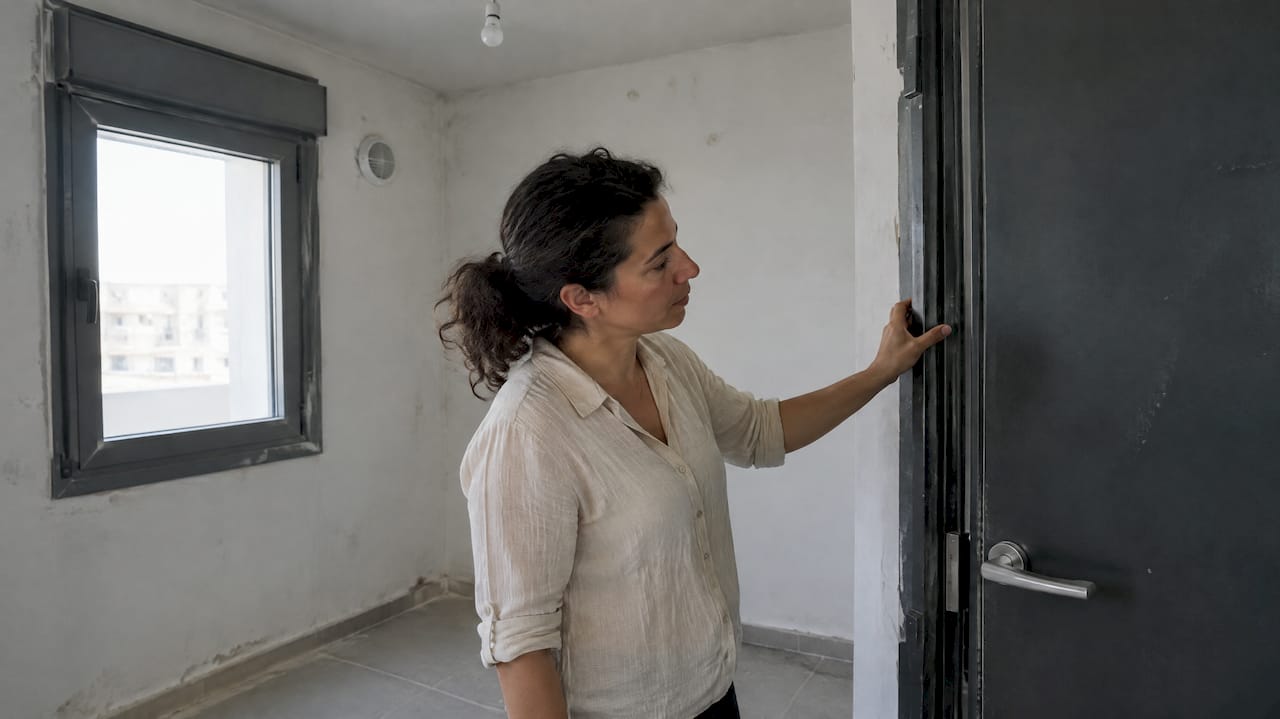
Buyers evaluating a specific building should confirm that protected spaces meet current code and ask whether the building includes a shared shelter in addition to or instead of in-unit mamad rooms, since older plans sometimes relied on shared facilities that are less convenient in an emergency.
General community safety in a newer, still-developing quarter can vary block by block depending on how much construction activity is ongoing nearby, since active sites bring more vehicle and foot traffic. Asking current residents or a local agent about day-to-day safety conditions on a specific street gives a more reliable picture than any citywide figure, since conditions in a neighborhood this new can differ meaningfully from one block to the next.
Daily life in Neve Shamir centers on family routines: school runs, synagogue attendance, and the kind of informal community gatherings that develop naturally in a neighborhood with a concentrated population of young parents. The mix of native Israeli and English-speaking olim households gives the quarter a bilingual, somewhat international character that distinguishes it from older, more homogenous sections of Ramat Beit Shemesh.
Religious-Zionist communal life shapes much of the local calendar, with synagogue-centered events and school schedules setting the rhythm of the week. Because the neighborhood is still being built out, community institutions such as synagogues and informal social groups tend to be newer and more actively organized by residents themselves rather than inherited from decades of established tradition, which gives newcomers an easier path into leadership and participation than in a long-settled area.
The newer housing stock also brings a different physical lifestyle: more residents have gardens, balconies, or proximity to planned parks than in older apartment blocks elsewhere in the city, and that outdoor access is part of what developers and local reporting point to when describing the quarter’s family-oriented design. For buyers weighing lifestyle fit, the combination of religious-Zionist community structure, a young family demographic, and a more open physical layout is what sets Neve Shamir apart from denser, older parts of Beit Shemesh.
The scale of the recent municipal tender for 239 housing units signals that infrastructure work, roads, utilities, and likely expanded school and park capacity, will need to keep pace with a meaningfully larger resident population in the coming years. That kind of tender typically precedes infrastructure build-out by a year or more, so buyers moving in now should expect a period of ongoing construction noise and traffic before the surrounding roads and public spaces reach their finished state.
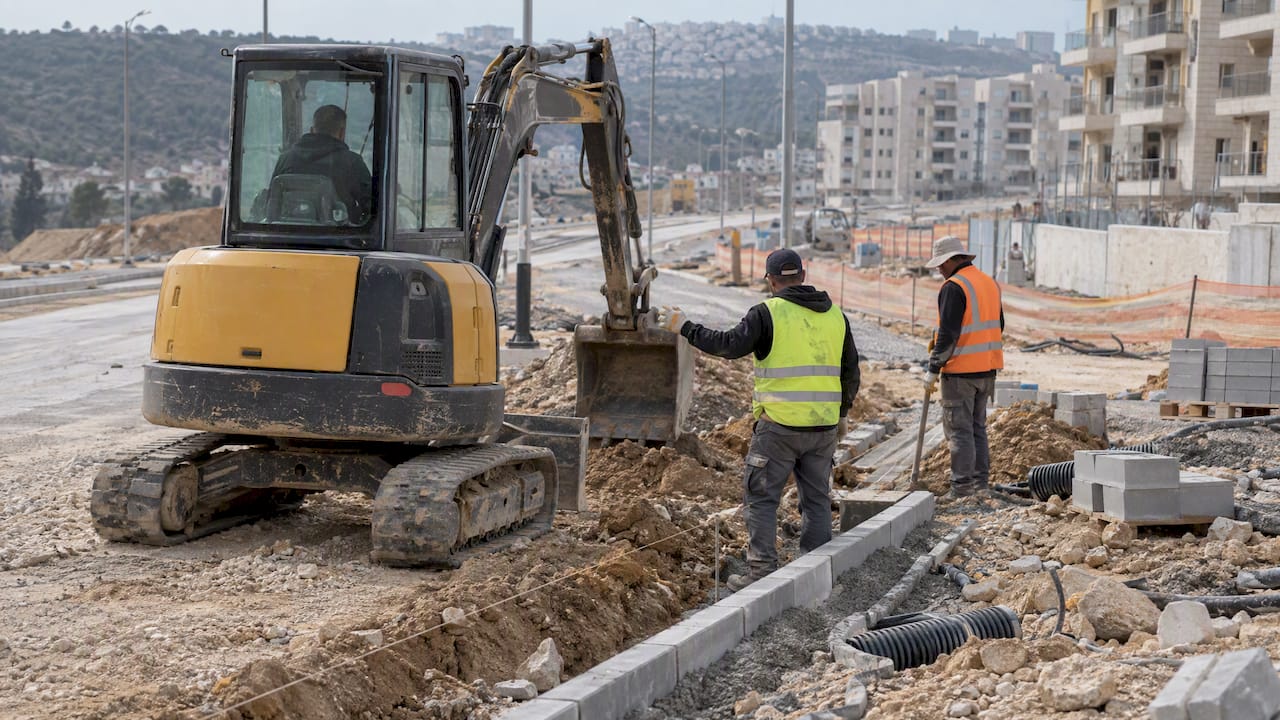
Transport links connecting Ramat Beit Shemesh Heh to the rest of the city and onward to Jerusalem are likely to see continued attention as the population grows, since commuting residents depend on reliable bus and road access. Buyers planning to stay long-term should ask local officials or a knowledgeable agent about any planned road widening, new bus routes, or school expansions tied to the recent tender activity, since those plans affect both daily convenience and resale value years down the line.
Because Neve Shamir is still in an active growth phase, infrastructure planning here is less settled than in an established neighborhood, which cuts both ways: it means some inconvenience now, but it also means residents moving in early have more influence over how community facilities and public spaces ultimately take shape.
We assist buyers in Beit Shemesh and provide support when a project’s delivery date, tax bracket, or resale permit status needs a second opinion before you sign. Our concierge project guidance helps you validate timelines against tender activity, understand purchase-tax considerations, and check a resale unit’s condition and paperwork before you commit.
— Spiros
Whether you are comparing resale units against a new project or trying to time a purchase around tender activity, we can pull current listings, arrange viewings, and walk through the tax and timeline questions with you directly. Our concierge project guidance gives you one point of contact for Beit Shemesh developments, including early access where it is available. Reach out to request current listings or schedule a viewing.
This article is general information, not a substitute for advice from a qualified financial advisor. Consult a qualified financial professional about your own circumstances before acting on anything here.
Neve Shamir has attracted a concentration of young families and English-speaking olim, with newer apartment blocks, parks, and family-oriented layouts. Its religious-Zionist community character and proximity to schools make it a practical fit for families prioritizing those factors.
Resale gives you a finished, move-in-ready unit and lets you join the community immediately rather than waiting out a construction schedule. Pre-construction can offer a lower entry price but carries real risk of delivery delays, so the right choice depends on how much timeline uncertainty you can absorb.
For 2026, a single-residence buyer pays no purchase tax up to roughly 1.98 million NIS, with stepped rates applying above that threshold. Your exact bracket depends on the final purchase price and your buyer category, so confirm your figure with a local tax office or attorney before signing.
A public tender awarded municipal plots for 239 housing units in Neve Shamir, indicating a significant wave of new supply over the coming years. Buyers should expect new developer marketing and construction activity to follow, typically with a gap of a year or more before those units reach the resale market.
Compare the asking price against recent sold-price history and active listings for similar units on a neighborhood market data page. Also confirm the unit’s permit status and any outstanding liens before relying on the seller’s asking price alone.