%20(4).png)
![[background image] image of cityscape background (for an architect firm)](https://cdn.prod.website-files.com/68961ade6feff9cbdffc080d/69384e066e0e9a310b6817f8_061f6bac-48bf-44b8-a689-078dacd8009f.avif)
Buying a home in Israel often surprises American families and investors, especially when they learn that about 93% of land is not privately owned but instead managed by the Israel Land Authority or the Jewish National Fund. Understanding Israeli real estate ownership is crucial for anyone exploring property in Beit Shemesh and nearby communities. This guide clarifies how state leasing, legal protections, and careful documentation shape every purchase, helping you avoid costly missteps and make informed decisions for your family or investment plans.
| Point | Details |
|---|---|
| Israeli Land Ownership Structure | Approximately 93% of land in Israel is state-controlled, with most properties held through long-term leasehold agreements rather than outright ownership. |
| Torrens Title System | The Torrens title system ensures secure and transparent property transactions, providing essential protections for buyers. |
| Property Purchase Process | Foreign investors must navigate a detailed acquisition process, including verifying ownership and completing specific legal documentation. |
| Tax Implications | Buyers should prepare for complex tax obligations, including purchase taxes and potential VAT, which may significantly impact the total investment cost. |
Understanding Israeli real estate ownership can be complex for U.S. buyers, particularly because Israel’s land system differs significantly from traditional American property markets. Israeli land ownership framework reveals a unique approach where government and quasi-governmental entities control most land transactions.
Approximately 93% of land in Israel is not privately owned but managed by state institutions like the Israel Land Authority (ILA) and Jewish National Fund (JNF). This means most properties are held through long-term leasehold arrangements, not direct freehold ownership. These leases typically span 49 or 98 years with renewal options, creating a distinctive real estate ecosystem.
Key characteristics of Israeli real estate ownership include:
The Torrens title system used by Israel’s Land Registry Bureau provides critical protections for property buyers. This system guarantees land title and ensures secure transactions, offering transparency and legal certainty that many international buyers find reassuring. Land registration processes are meticulously documented, reducing risks associated with property purchases.
Pro tip: Always engage a local real estate attorney familiar with Israeli property laws to navigate the complex leasehold and registration processes effectively.
Israel’s land ownership system presents a unique landscape dramatically different from typical U.S. property markets. Land ownership categories reveal a complex framework where approximately 90% of land remains under state or quasi-state control, fundamentally altering how real estate transactions occur.
The land classification system in Israel is primarily divided into two major categories: private land and state-controlled land. Private land, which comprises roughly 10% of the total area, is typically located in urban regions and allows direct ownership. In contrast, state-controlled land represents the vast majority of territory, managed by entities like the Israel Land Authority and the Jewish National Fund.
Key distinctions between private and state land include:
State land cannot be permanently transferred, creating a unique leasehold system that ensures ongoing governmental control and strategic land management.
Under the Basic Law: Israel Lands, enacted in 1960, most lands owned by the State, Development Authority, or Jewish National Fund cannot be permanently transferred. This legal framework ensures that land usage rights are structured as long-term renewable leases, providing a flexible yet controlled approach to property management.
Here’s a comparison of private land and state-controlled land in Israel:
| Aspect | Private Land | State-Controlled Land |
|---|---|---|
| Ownership Form | Direct freehold ownership | Long-term leasehold from state |
| Geographic Distribution | Primarily urban areas | Nationwide, especially non-urban |
| Transferability | Can be fully transferred | Cannot be permanently transferred |
| Management | Owners or private entities | Israel Land Authority or JNF |
| Renewal Terms | No fixed lease term | Typically 49-98 years, renewable |
| Purchase Flexibility | Fewer restrictions | More regulations on use and sale |
Pro tip: When considering property in Israel, always verify the specific land category and understand the precise terms of land usage rights before making any investment decisions.
Purchasing property in Israel requires navigating a complex legal landscape that differs significantly from typical U.S. real estate transactions. Property purchase procedures demand meticulous attention to documentation, legal verification, and specific bureaucratic requirements unique to the Israeli system.
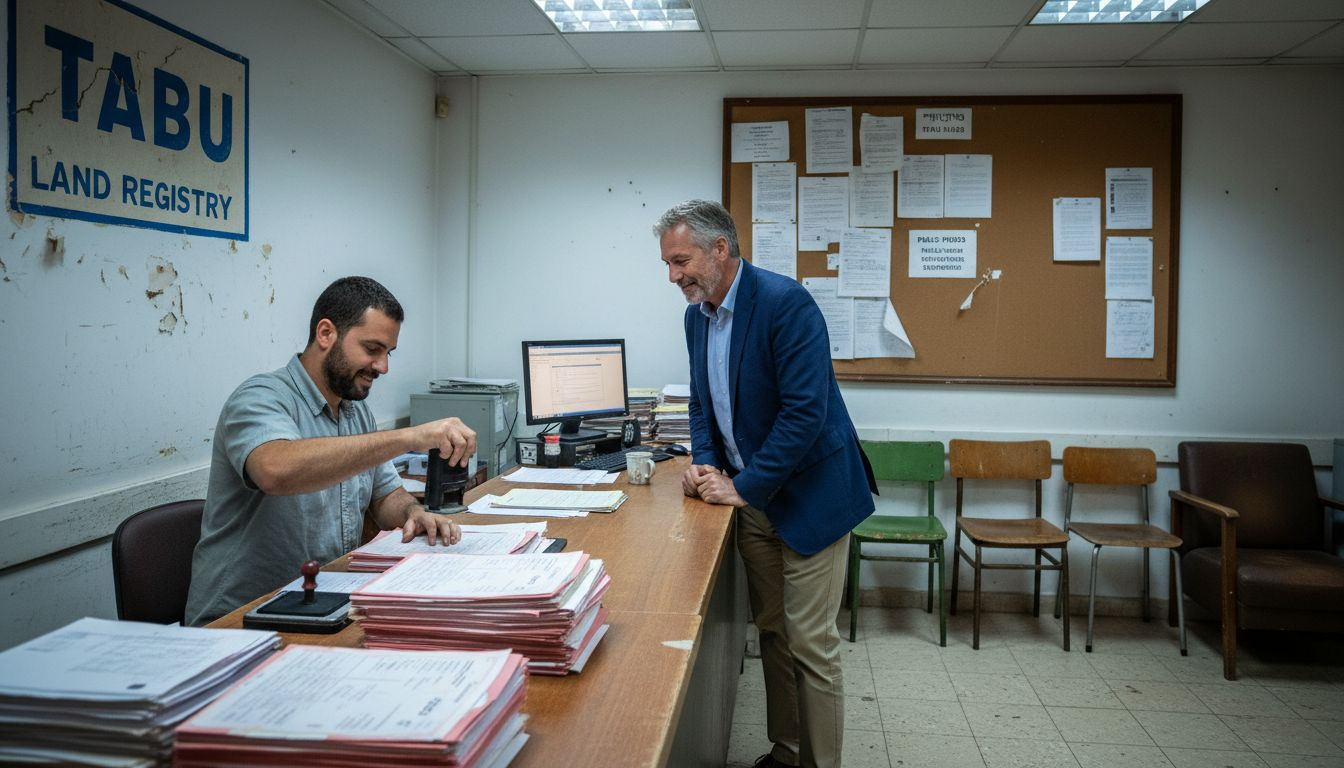
The property acquisition process involves several critical stages that U.S. buyers must carefully understand. Foreign investors need to complete multiple verification steps, including confirming the seller’s legitimate ownership, ensuring no outstanding debts exist on the property, and preparing comprehensive documentation often required in Hebrew.
Key steps in the Israeli property purchase process include:
Foreign buyers must be prepared for a more complex transaction process that involves multiple governmental and legal checkpoints.
The final stage of purchasing involves official registration processes at the Land Registry (Tabu), which officially secures the legal title. Non-citizen buyers should anticipate additional bureaucratic requirements, including potential translations of documents and specific forms unique to international property transactions.
Pro tip: Hire a local Israeli real estate attorney who specializes in transactions involving foreign buyers to help navigate the intricate legal and administrative requirements.
Understanding the intricacies of property rights in Israel requires navigating a complex legal framework that significantly differs from U.S. real estate regulations. Israeli land law establishes a unique system of property ownership that demands careful consideration by foreign investors.
The Israeli Land Law of 1969 provides a comprehensive framework for property rights, defining the legal parameters for ownership and leasehold arrangements. Most properties in Israel are not held as freehold but through long-term, renewable leases administered by the Israel Land Authority, which creates a distinctive approach to real estate transactions that U.S. buyers must thoroughly understand.
Key legal rights and obligations for property buyers include:
Foreign buyers must meticulously document and verify their legal rights to ensure secure property transactions in Israel.
The Tabu system provides the critical mechanism for property rights registration, offering legal security and transparency for property transactions. This official registration process ensures that buyers have clear, legally recognized rights to use, transfer, or mortgage their property, though the specifics often differ from standard U.S. property ownership models.

Pro tip: Consult with an Israeli real estate attorney who specializes in foreign property transactions to fully understand the nuanced legal rights and potential restrictions associated with your specific property.
Navigating the Israeli real estate taxation landscape presents significant challenges for U.S. buyers, with complex financial obligations that extend far beyond typical property purchase expenses. Real estate taxation laws create a multifaceted framework that demands meticulous financial planning and professional guidance.
Foreign investors must comprehend the intricate tax structure surrounding property transactions in Israel, which includes multiple layers of financial obligations. These typically encompass purchase taxes, potential value-added tax (VAT), land appreciation tax, and transfer fees that can substantially impact the total investment cost.
Key financial considerations for foreign property buyers include:
International buyers must budget for substantially more than the property’s base price, anticipating complex tax calculations and potential unexpected expenses.
Common pitfalls for U.S. buyers often stem from misunderstanding legal and financial requirements. These can include underestimating total transaction costs, failing to properly document foreign income sources, and overlooking specific tax reporting requirements that differ significantly from American real estate practices.
Here is a summary of typical taxes and fees foreign buyers may encounter:
| Financial Obligation | Applies to Foreigners? | Key Considerations |
|---|---|---|
| Purchase Tax | Yes | Graduated rates based on price |
| Value-Added Tax (VAT) | Sometimes | Applies to new, not resale, properties |
| Land Appreciation Tax | Yes | Tax on increase in property value |
| Registration Fee | Yes | Required for official ownership record |
| Currency Exchange Impact | Yes | Fluctuating rates can affect cost |
| Tax Reporting | Yes | U.S. and Israeli obligations differ |
Pro tip: Engage a cross-border tax specialist familiar with both U.S. and Israeli tax regulations to provide comprehensive financial guidance throughout your property investment process.
Understanding the unique challenges U.S. buyers face in Israeli real estate transactions is essential. From the complexities of long-term leasehold systems to the detailed registration processes at the Tabu, the legal landscape can feel overwhelming when investing in properties within Israel. If you want to avoid common pitfalls like misunderstandings about land categories, tax obligations, or the intricate purchase procedures, expert guidance is crucial.
At Yigal Realty, we specialize in helping international clients and observant communities find their ideal homes in Beit Shemesh and surrounding areas. Our team provides personalized support through every step of the buying process, clarifying legal terms and offering insights into flexible payment options and exclusive developments. Don’t let the complexities of Israeli real estate laws hold you back. Visit our website to explore current listings and learn how we can help you navigate the nuances of property ownership. Ready to make your move? Connect with us today for expert advice tailored to your unique needs and start your journey with confidence.
Discover how our local expertise can simplify your property purchase. Take the next step by visiting Yigal Realty’s homepage and let us assist you in making informed, secure investments in Israel.
Most properties in Israel are held through long-term leasehold agreements, typically lasting 49 or 98 years, rather than direct freehold ownership like in the U.S. This means buyers often acquire rights to use the property but do not own the land itself.
Key steps include conducting property title research, verifying the seller’s ownership, signing a purchase agreement, and registering the property with the Land Registry (Tabu). It is crucial to engage a local attorney to navigate these complex procedures.
Yes, U.S. buyers should be aware of several taxes, including purchase tax, potential VAT, land appreciation tax, registration fees, and capital gains tax, all of which can significantly impact the total cost of the investment.
The legal framework in Israel restricts land transfers and requires compliance with registration processes and tax obligations. Understanding these laws is crucial for securing property rights and avoiding legal pitfalls as a foreign investor.