%20(4).png)
![[background image] image of cityscape background (for an architect firm)](https://cdn.prod.website-files.com/68961ade6feff9cbdffc080d/69384e066e0e9a310b6817f8_061f6bac-48bf-44b8-a689-078dacd8009f.avif)
Most American families searching for a new home in Israel quickly realize that the local market involves far more than just price tags and addresses. Fitting into a thriving religious community, finding proximity to synagogues, and ensuring access to top schools are top priorities for observant Jewish households. Beit Shemesh stands out for its vibrant growth and strong communal ties, making it a unique destination for those who want both comfort and spiritual connection.
| Key Point | Explanation |
|---|---|
| 1. Research Community Dynamics | Understanding neighborhood demographics and community preferences is vital for selecting investment properties for observant Jewish families. |
| 2. Conduct Thorough Property Inspections | Professional evaluations help identify structural issues and compliance with local building standards, protecting your investment long-term. |
| 3. Review Legal Documentation Carefully | Ensure all property documentation is accurate and compliant with Israeli laws to avoid future ownership complications. |
| 4. Assess Community Amenities | Identify nearby religious and social facilities to ensure they align with the lifestyle and needs of observant Jewish families. |
| 5. Hire Local Experts for Guidance | Engaging local real estate consultants and attorneys can provide critical insights and help navigate community-specific requirements effectively. |
Researching the Israeli property market requires a strategic approach that goes beyond basic financial calculations. Your goal is to understand the nuanced community dynamics and investment potential in specific areas like Beit Shemesh.
Start by diving deep into local demographic trends and community development approaches that reveal critical insights about neighborhood infrastructure and social structures. Focus on understanding religious community preferences, proximity to synagogues, schools, and communal amenities that matter most to observant Jewish families. Attend local community meetings, speak with current residents, and request detailed neighborhood reports from reliable real estate professionals who specialize in religious community transitions.
Compile comprehensive data about property values, rental potential, population growth projections, and infrastructure development plans. Analyze historical price trends, upcoming municipal projects, and transportation accessibility. Pay special attention to areas with consistent population growth and strong community support networks.
Here’s a comparison of key factors when choosing an investment property in Israeli religious communities:
| Factor | Impact on Investment | Why It Matters |
|---|---|---|
| Demographic Trends | Long-term demand | Sustains property value |
| Religious Services | Higher rental appeal | Attracts target tenants |
| Community Networks | Value stability | Reduces investment risk |
| Accessibility | Convenience for families | Boosts desirability |
Pro tip: Consider hiring a local real estate consultant familiar with religious community dynamics to help you navigate neighborhood specifics and uncover hidden investment opportunities.
Arranging a professional property viewing represents a critical milestone in your Israeli real estate investment journey. This step transforms your research into tangible insights about potential properties in Beit Shemesh.
Schedule viewings with licensed agents who specialize in professional property inspections. Prioritize professionals familiar with religious community requirements and local market nuances. During the viewing, systematically evaluate the property beyond aesthetic impressions. Inspect structural integrity, assess potential renovation needs, and verify compliance with community building standards. Request comprehensive documentation including recent inspection reports, municipal records, and neighborhood development plans.
Prepare a detailed checklist before each viewing that covers critical aspects like building age, construction quality, infrastructure condition, and potential maintenance challenges. Document everything meticulously with photographs and written notes. Ask probing questions about recent upgrades, potential zoning changes, and community development trajectories that might impact property value.
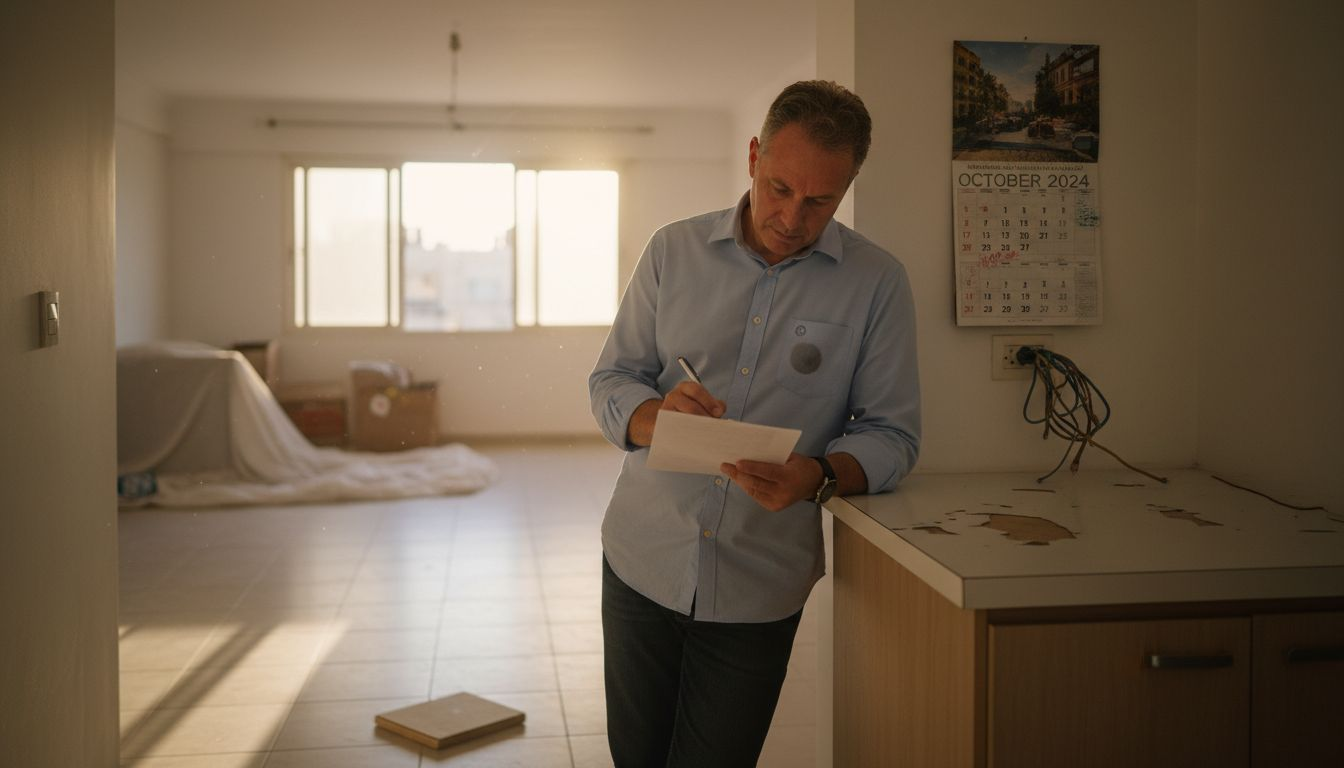
Pro tip: Bring a trusted local advisor or real estate professional during property viewings to provide objective insights and help identify potential investment risks.
Evaluating the physical condition of an Israeli property requires a comprehensive approach that goes beyond surface-level inspections. Your goal is to understand the structural integrity and compliance of the potential investment through detailed technical assessment.
Begin by reviewing national building standards that govern property construction and maintenance in Israel. Focus on critical aspects like structural soundness, energy efficiency, thermal insulation, and compliance with municipal green building requirements. Pay special attention to the property’s age, construction materials, recent renovations, and potential maintenance challenges. Request comprehensive documentation including structural engineering reports, energy performance certificates, and historical maintenance records.
Conduct a thorough physical inspection that covers foundation stability, roof condition, electrical and plumbing systems, moisture resistance, and potential renovation needs. Engage professional inspectors who specialize in Israeli building codes and can provide nuanced insights into the property’s technical condition. Assess not just the current state but also potential future maintenance costs and infrastructure upgrade requirements that could impact your long-term investment strategy.
Summary of primary building standards and their influence on property investment:
| Standard | Influence on Value | Investment Implication |
|---|---|---|
| Structural Integrity | Prevents major repairs | Reduces long-term expenses |
| Energy Efficiency | Lowers utility costs | Improves resale potential |
| Thermal Insulation | Comfort for residents | Enhances market appeal |
| Green Compliance | Eligibility for incentives | Meets modern buyer needs |

Pro tip: Hire a licensed Israeli building inspector with expertise in religious community property standards to ensure a comprehensive and culturally sensitive evaluation.
Reviewing legal documentation represents a critical safeguard in your Israeli property investment process. Your objective is to thoroughly examine all legal aspects that could impact property ownership and potential future challenges.
Understand the intricacies of Israeli land ownership systems which typically involve long-term land leasing from the state rather than traditional ownership. Carefully review all documentation including deed registrations, land registry certificates, zoning permits, and municipal approval records. Verify the property’s legal status by confirming boundary definitions, checking for any existing liens or encumbrances, and ensuring complete compliance with local and national regulations specific to religious community property transfers.
Consult with a licensed Israeli real estate attorney specializing in property law to conduct a comprehensive legal review. They can help identify potential legal complexities, verify the authenticity of all documentation, and ensure your investment meets all regulatory requirements. Pay special attention to land use restrictions, community building codes, and any international legal considerations that might impact property ownership or future development potential.
Pro tip: Request a comprehensive legal search that includes historical property records and potential unresolved legal claims to protect your investment.
Assessing community suitability goes far beyond basic location evaluation. Your mission is to deeply understand how a specific neighborhood aligns with your lifestyle, religious practices, and long-term investment goals in Beit Shemesh.
Conduct a comprehensive public space assessment that examines walkability, proximity to essential services, and community infrastructure. Prioritize neighborhoods with synagogues, kosher grocery stores, religious schools, mikvehs, and communal spaces that support observant Jewish family life. Map out walking distances to critical amenities, evaluate public transportation accessibility, and analyze the demographic composition of potential neighborhoods.
Engage with local community members and religious leaders to gain nuanced insights into neighborhood dynamics. Attend community gatherings, speak with current residents, and observe the social interactions that define the area. Consider factors like eruv boundaries, proximity to kollel institutions, youth programs, and the overall religious and cultural compatibility of the community. Look beyond physical infrastructure to understand the intangible qualities that make a neighborhood feel like home for an observant Jewish family.
Pro tip: Visit the neighborhood during different times of day and week to experience its authentic rhythm and community spirit.
Navigating the complex landscape of Israeli real estate requires more than just understanding market trends. The article highlights challenges such as verifying legal documentation, evaluating building standards, and assessing community fit—especially in religious areas like Beit Shemesh. These pain points can cause uncertainty and risk for investors seeking properties that align with observant Jewish family needs and long-term value.
At Yigal Realty, we specialize in turning these challenges into confident decisions. With deep local insights and personalized services, we guide you through every step from professional property viewings to legal reviews tailored for religious communities. Our comprehensive support helps you uncover hidden investment opportunities and ensures your purchase matches your lifestyle and financial goals.
Ready to invest with clarity and confidence in Beit Shemesh? Discover our exclusive listings and expert guidance today at Yigal Realty. Don’t wait — start your journey towards a secure, culturally compatible property investment now.
To research local market and community needs, analyze demographic trends and community development approaches. Attend local meetings and speak with residents to gather insights about religious preferences and key amenities.
During a professional property viewing, assess structural integrity, renovation needs, and compliance with community standards. Prepare a checklist of critical aspects such as building age and construction quality to guide your evaluation.
To evaluate the physical condition of a property in Israel, conduct a detailed inspection focusing on structural soundness and compliance with national building standards. Document findings on the property’s condition and potential maintenance issues for thorough review.
When purchasing property in Israel, review legal documents such as deed registrations, zoning permits, and municipal approvals. Ensure you understand the property’s ownership status and check for any existing liens or encumbrances.
To determine community suitability, assess the neighborhood’s amenities, such as proximity to synagogues and schools. Engage with local residents to understand the community dynamics and ensure they align with your lifestyle and investment goals.
To verify property compliance with community standards, consult local building inspectors familiar with religious community requirements. Schedule inspections to assess compliance with the standards specific to the community you are considering.