%20(4).png)
![[background image] image of cityscape background (for an architect firm)](https://cdn.prod.website-files.com/68961ade6feff9cbdffc080d/69384e066e0e9a310b6817f8_061f6bac-48bf-44b8-a689-078dacd8009f.avif)
Over 40 percent of American investors exploring international real estate look toward Israel for its dynamic market and strong potential returns. Navigating this process means more than picking a location on the map, especially when managing budgets, local regulations, and competitive demand. Whether you are seeking secure rental income, future appreciation, or a personal home, these steps offer clear, actionable guidance for turning your American investment into a smart asset in Israel.
| Key Takeaway | Explanation |
|---|---|
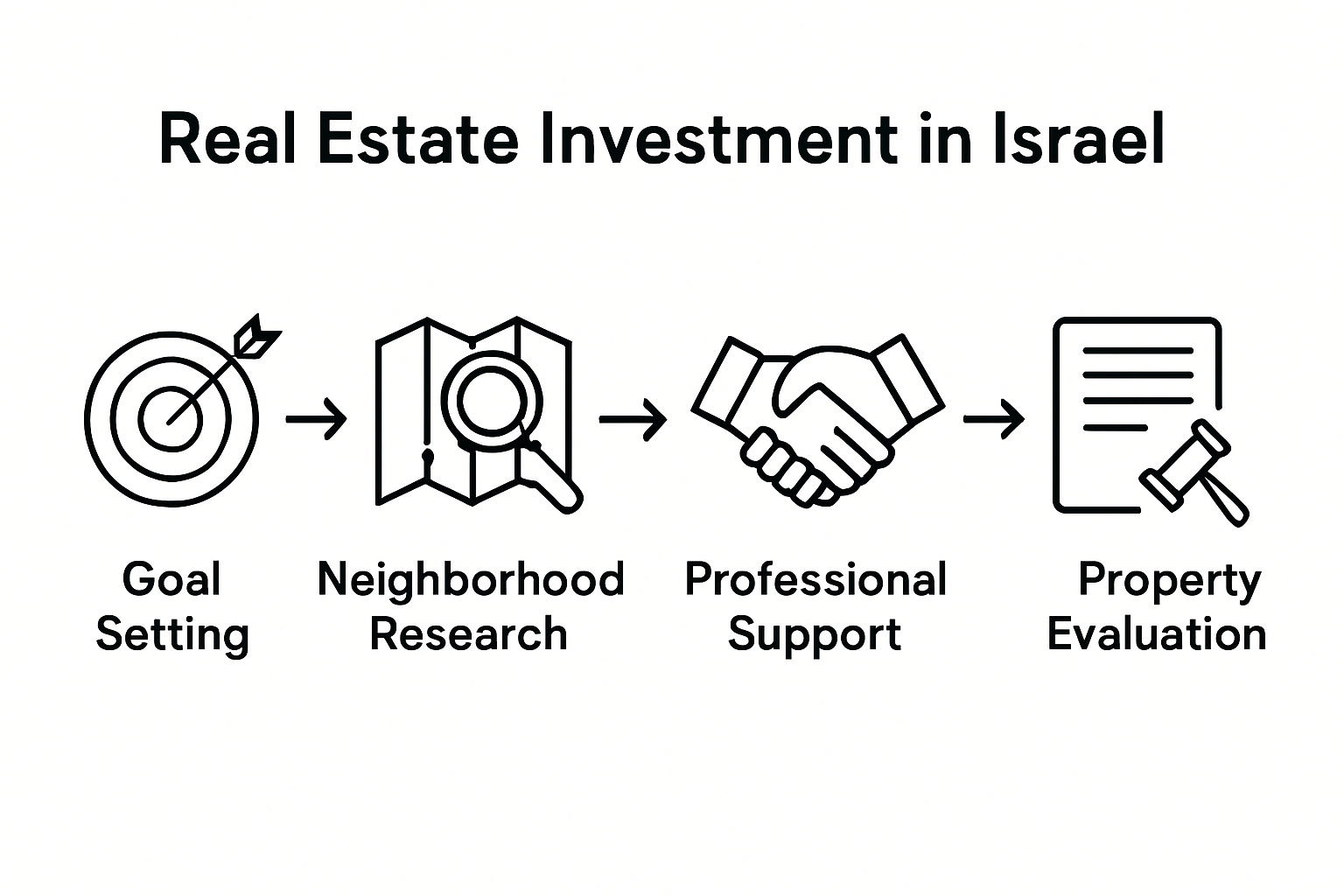
| 1. Assess Financial Goals | Determine your investment capacity and set specific, measurable objectives for property performance. |
| 2. Research Local Markets | Investigate key neighborhoods in Israel for investment potential, focusing on growth indicators. |
| 3. Engage Real Estate Experts | Build a team of professional agents and advisors familiar with the Israeli property market. |
| 4. Evaluate Properties Thoroughly | Conduct detailed inspections and analysis of prospective properties and their financial metrics. |
| 5. Ensure Legal Compliance | Work with legal professionals to verify property titles, permits, and ensure proper transaction protocols. |
Real estate investing in Israel starts with crystal clear financial planning and strategic goal setting. Your investment journey demands a thoughtful approach that balances your financial capacity with realistic expectations about property performance and potential returns.
Start by conducting a comprehensive personal financial assessment. Calculate your total available investment capital by examining liquid assets, savings, potential financing options, and your risk tolerance. For international investors, factor in currency exchange rates and potential international transfer fees. Consider whether you are seeking short term rental income, long term appreciation, or a combination of investment strategies. Break down your financial objectives into specific, measurable targets: Are you aiming for monthly rental yields around 3-5%? Hoping to achieve capital appreciation of 10% over five years? Wanting a potential residence for future personal use?
Map out your budget with extreme precision. Account for all potential expenses beyond the purchase price including property taxes, maintenance costs, potential renovation expenses, legal fees, and management costs if you are not planning to manage the property personally. Consult with a local Israeli real estate expert to understand the nuanced financial landscape and get accurate projections for your specific investment scenario. Budget conservatively and include a 10-15% buffer for unexpected expenses to protect your investment strategy.
Pro tip: Create a detailed spreadsheet tracking all potential income and expense scenarios. This visual representation will help you make more informed decisions and prevent emotional investing. Your next step will involve researching specific Israeli real estate markets and identifying properties that align with your carefully defined investment goals.
Researching neighborhoods and developments in Israel requires strategic detective work and nuanced understanding of local real estate dynamics. Your goal is to identify investment opportunities that match your financial objectives and personal preferences while understanding the unique characteristics of different regions.
Begin your research by mapping out key regions with strong investment potential. Focus on neighborhoods in cities like Jerusalem, Tel Aviv, Beit Shemesh, and their surrounding communities. Pay special attention to areas experiencing infrastructure improvements, proximity to public transportation, educational institutions, and emerging economic centers. Explore detailed neighborhood profiles to understand demographic trends, rental market performance, and future development projections. Look for signs of growth such as new commercial projects, upcoming transportation links, or government investment in local amenities.
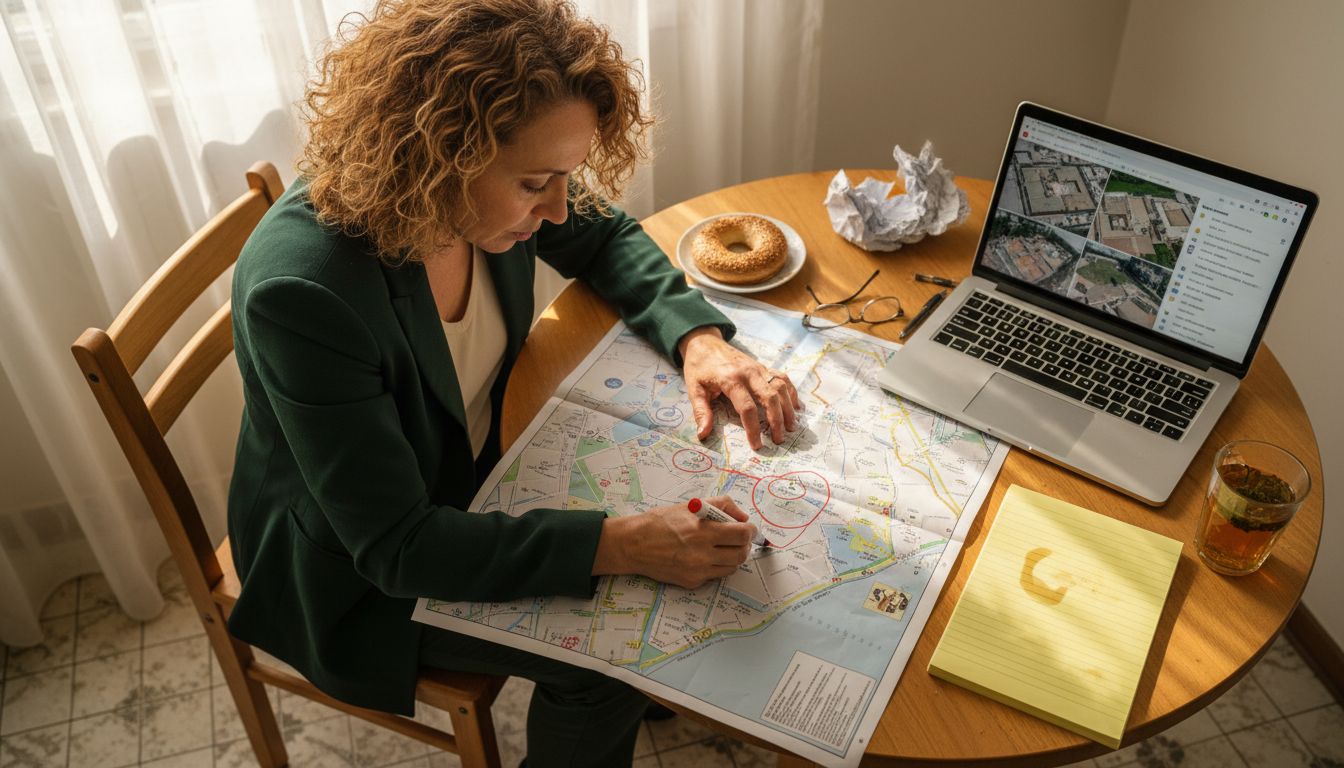
Dive deep into local community characteristics that might impact property values. For religious investors, consider proximity to synagogues, schools, and community centers. Analyze historical property appreciation rates, current rental yields, and potential future developments. Examine local zoning regulations, building permit histories, and urban planning documents to anticipate potential changes that could affect property values. Create a comprehensive comparison spreadsheet tracking neighborhood metrics like average rental prices, vacancy rates, population growth, and accessibility to key services.
Pro tip: Connect with local real estate professionals who understand granular neighborhood dynamics. Their insights can reveal investment opportunities that might not be immediately apparent through online research. Your next step will involve scheduling property viewings and conducting more detailed due diligence on specific investment prospects.
Successfully investing in Israeli real estate requires more than personal research. Professional support can transform your investment strategy from uncertain to strategic, providing critical insights that go beyond surface level information. Your goal is to build a trusted team of experts who understand the nuanced Israeli property market.
Start by identifying specialized real estate professionals who have deep knowledge of your target regions. Professional real estate agents with national credentials bring extraordinary market understanding that can dramatically improve your investment outcomes. Look for agents who specialize in international investments and have proven experience working with foreign buyers. Seek professionals who can provide comprehensive services including market analysis, property valuation, legal guidance, and negotiation support. Interview multiple agents to assess their local knowledge, communication skills, and track record of successful transactions in your desired neighborhoods.
Beyond real estate agents, assemble a comprehensive support network including local tax advisors, legal professionals specializing in Israeli property law, and financial consultants who understand international investment structures. Request detailed references and verify their credentials with local professional associations. Create a clear communication protocol defining expectations, reporting frequency, and specific services each professional will provide. Understand their fee structures upfront and ensure all agreements are documented in clear written contracts.
Pro tip: Request a comprehensive market analysis report from your chosen professionals before making any investment commitments. This document should provide detailed insights into local market trends, potential risks, and projected investment performance. Your next step will involve conducting thorough due diligence and preparing for property negotiations with the support of your newly assembled professional team.
Evaluating investment properties in Israel and securing appropriate financing requires a meticulous approach that balances financial strategy with comprehensive property analysis. Your mission is to transform potential real estate opportunities into smart, profitable investments that align with your long term financial goals.
Begin your property evaluation process with an exhaustive on site inspection and detailed due diligence. Comprehensive home buying strategies recommend examining every aspect of the property including structural integrity, potential renovation requirements, and hidden maintenance challenges. Hire professional home inspectors who specialize in Israeli property markets and understand local construction standards. Analyze comparative market values, review property history, check for any legal encumbrances, and assess potential rental or resale values. Create a detailed spreadsheet tracking each property’s financial metrics including purchase price, estimated renovation costs, potential rental income, and projected appreciation rates.
Navigate the financing landscape by exploring multiple funding options tailored to international real estate investors. Connect with Israeli banks offering specialized mortgage products for foreign investors, understanding their unique requirements for documentation, down payment percentages, and interest rates. Consider working with financial advisors who have expertise in cross border real estate investments and can help you structure financing that optimizes tax efficiency and minimizes currency exchange risks. Prepare comprehensive financial documentation including international credit reports, income verification, asset statements, and investment portfolio summaries to strengthen your financing applications.
Pro tip: Always maintain a 20 to 25 percent cash reserve beyond your property investment to manage unexpected expenses and provide financial flexibility. Your next step will involve making competitive offers and negotiating purchase terms with sellers while maintaining a strategic approach to your investment objectives.
The final stages of your Israeli real estate investment demand meticulous attention to legal details and precise transactional procedures. Your objective is to navigate the complex landscape of property acquisition with strategic precision while protecting your financial interests through comprehensive legal verification.
Property transaction protocols require international investors to work closely with specialized Israeli real estate attorneys who understand the nuanced legal framework governing foreign property ownership. Engage a legal professional to conduct a comprehensive title search, verify property boundaries, review all existing encumbrances, and ensure the property is free from legal disputes. Carefully examine all purchase agreements, ensuring they are drafted in both Hebrew and English to prevent potential misunderstandings. Verify that the property has all necessary permits, including construction approvals, occupancy certificates, and compliance with local zoning regulations. Request detailed documentation including land registry extracts, tax clearance certificates, and historical ownership records.
Prepare for the financial transaction by coordinating with your bank and legal representatives to establish a secure fund transfer mechanism that minimizes currency exchange risks and complies with international monetary regulations. Open a specialized Israeli bank account if required, and obtain all necessary tax identification numbers. Conduct a final property inspection immediately before closing to confirm the property matches the agreed upon condition. Secure comprehensive property insurance that covers potential risks specific to international ownership, including natural disaster protection and liability coverage.
Pro tip: Maintain multiple copies of all transaction documents in both digital and physical formats, storing them in secure locations with both your local and Israeli legal representatives. Your next step involves post purchase management, including property registration, tax planning, and developing a strategic approach to potential rental or future resale of your investment.
Navigating the complex landscape of Israeli real estate investment demands expert guidance, precise financial planning, and deep local market knowledge. If you have been struggling with evaluating properties, securing financing, or understanding neighborhood dynamics, you are not alone. Successfully mastering these challenges means setting clear investment goals, researching targeted developments, and engaging trusted professionals—as highlighted in our comprehensive guide “Master the Real Estate Investment Process in Israel.”
Yigal Realty specializes in helping observant and religious investors like you unlock access to exclusive residential opportunities in Beit Shemesh and surrounding areas. From personalized project guidance to transparent transaction support and flexible payment options, our expert team is dedicated to making your investment journey smooth and informed. Discover detailed developments and listings designed to meet your specific needs. Don’t let legal complexities or financing hurdles hold you back—partner with us to gain early access to prime properties and tailored insights that transform challenges into confident decisions.
Take your next step toward a profitable investment and secure your future in the Israeli real estate market with trusted expert support at Yigal Realty. Explore our site now to connect directly with professionals ready to assist you at every stage.
Start by conducting a thorough personal financial assessment and determining your investment capacity. Calculate your total available capital and outline specific, measurable financial targets, such as aiming for a 3-5% monthly rental yield or 10% capital appreciation over five years.
Begin by mapping out key regions with strong investment potential, focusing on areas experiencing growth and infrastructure improvements. Create a comparison spreadsheet tracking metrics like average rental prices, vacancy rates, and demographic trends to guide your selection process.
Working with specialized real estate professionals enhances your investment strategy by providing critical insights. Assemble a team that includes real estate agents, legal advisors, and financial consultants who understand local market dynamics and can help navigate the investment process successfully.
Conduct a detailed on-site inspection and thorough due diligence, analyzing all aspects of the property, including structural integrity and potential renovation costs. Create a financial tracking spreadsheet that includes purchase price, estimated expenses, and potential rental income to make informed decisions.
Engage specialized real estate attorneys to perform a comprehensive title search and verify property details before closing the transaction. Ensure all documents are drafted in both Hebrew and English, and keep multiple copies of all transaction documents for your records.
Maintain a cash reserve of 20-25% beyond your property investment to manage unexpected expenses and provide flexibility. This extra cushion can help you navigate unforeseen costs and protect your investment strategy.