%20(4).png)
![[background image] image of cityscape background (for an architect firm)](https://cdn.prod.website-files.com/68961ade6feff9cbdffc080d/69384e066e0e9a310b6817f8_061f6bac-48bf-44b8-a689-078dacd8009f.avif)
Most American families considering aliyah quickly realize that choosing where to settle in Israel is about much more than just picking a house. The search for community, religious life, and practical amenities in Beit Shemesh often shapes every aspect of your daily experience. With over 60% of recent American immigrants prioritizing a strong sense of community, finding a home that truly supports your family’s religious values means understanding local real estate on a deeper level.
| Key Point | Explanation |
|---|---|
| 1. Define community and lifestyle priorities | Identify your essential needs for community, such as proximity to religious facilities and schools, before selecting a property. |
| 2. Research local real estate trends | Conduct extensive research on Beit Shemesh’s property market, focusing on pricing trends and emerging neighborhoods to make informed decisions. |
| 3. Evaluate property features deeply | Assess homes for layouts accommodating religious practices, kosher configurations, and potential for future renovations aligned with family needs. |
| 4. Understand legal and financial requirements | Seek experienced legal guidance to navigate Israeli property laws, ensuring clarity on contracts and ownership structures specific to the region. |
| 5. Verify developer and agent credibility | Conduct thorough background checks on developers and real estate agents to safeguard your investment and ensure community suitability. |
Beit Shemesh attracts religious families seeking a harmonious living environment, and defining your community and lifestyle priorities is the critical first step in selecting the right property. Carefully evaluating your specific needs goes beyond just finding a house you want—it means discovering a home that supports your entire way of life. The comprehensive approach to lifestyle evaluation ensures you select a property aligned with your personal values and daily habits.
Start by mapping out your non negotiable community requirements. For religious families, this often includes proximity to synagogues, kosher grocery stores, schools that match your educational philosophy, and community centers that support traditional Jewish life. Consider the neighborhood’s religious character, eruv boundaries, walking distances for Shabbat, and the availability of mikvaot. Think about whether you want a more modern orthodox community or a more stringent religious environment. Your lifestyle priorities might include having space for large family gatherings, potential guest rooms for visiting family members, or outdoor areas suitable for community events.
Recognize that every family’s priorities differ. Some might prioritize proximity to work, while others focus on educational opportunities or community social connections. Take time to discuss these priorities with your family, creating a ranked list of must-haves versus nice-to-haves. This exercise will help narrow your search and prevent potential disappointment later in the home buying process.
Pro Tip: Create a detailed spreadsheet ranking your community and lifestyle priorities, assigning weighted scores to help objectively compare potential neighborhoods and properties.
Here is a concise comparison of property selection factors for religious families in Beit Shemesh:
| Factor | Impact on Daily Life | Key Consideration |
|---|---|---|
| Proximity to Synagogues | Facilitates religious observance | Walking distance and community events |
| Eruv Boundaries | Enables Shabbat mobility | Verified boundaries and coverage |
| Kosher Grocery Access | Supports dietary needs | Availability and variety |
| School Options | Shapes family education | Alignment with educational philosophy |
| Outdoor Space | Allows community gatherings | Sukkah construction and family events |
Researching local real estate developments and trends in Beit Shemesh requires a strategic and comprehensive approach to understanding the current market landscape. Your goal is to gather detailed insights that will inform your property investment decisions. Real estate market insights play a crucial role in identifying potential opportunities and understanding the dynamics of this unique Israeli market.
Begin by exploring multiple information sources to build a comprehensive view of Beit Shemesh real estate. Connect with local real estate agents who specialize in religious community properties, attend community housing forums, and review recent property transaction records. Pay close attention to emerging neighborhoods, upcoming development projects, and infrastructure improvements that could impact property values. Focus on understanding pricing trends, average square meter costs, and the specific characteristics that make certain areas attractive to religious families such as proximity to schools, synagogues, and community centers.
Utilize both digital and in person research methods to gather comprehensive market intelligence. Online resources like local real estate websites, government housing databases, and community forums can provide valuable statistical data. However, supplement this digital research with personal conversations with current residents, local real estate professionals, and community leaders who can offer nuanced insights not captured in formal reports. Understanding the subtle dynamics of neighborhood growth, community expansion plans, and potential future developments will give you a significant advantage in making an informed property selection.
Pro Tip: Create a detailed tracking spreadsheet documenting local real estate trends, including average pricing per neighborhood, new development announcements, and infrastructure project timelines to help visualize market progression.
Evaluating property features and neighborhood amenities requires a systematic approach that goes beyond simple square footage considerations. Religious families seeking a home in Beit Shemesh must carefully analyze how each property aligns with their specific lifestyle needs. Understanding different home types becomes crucial in making an informed decision that balances practical requirements with community integration.
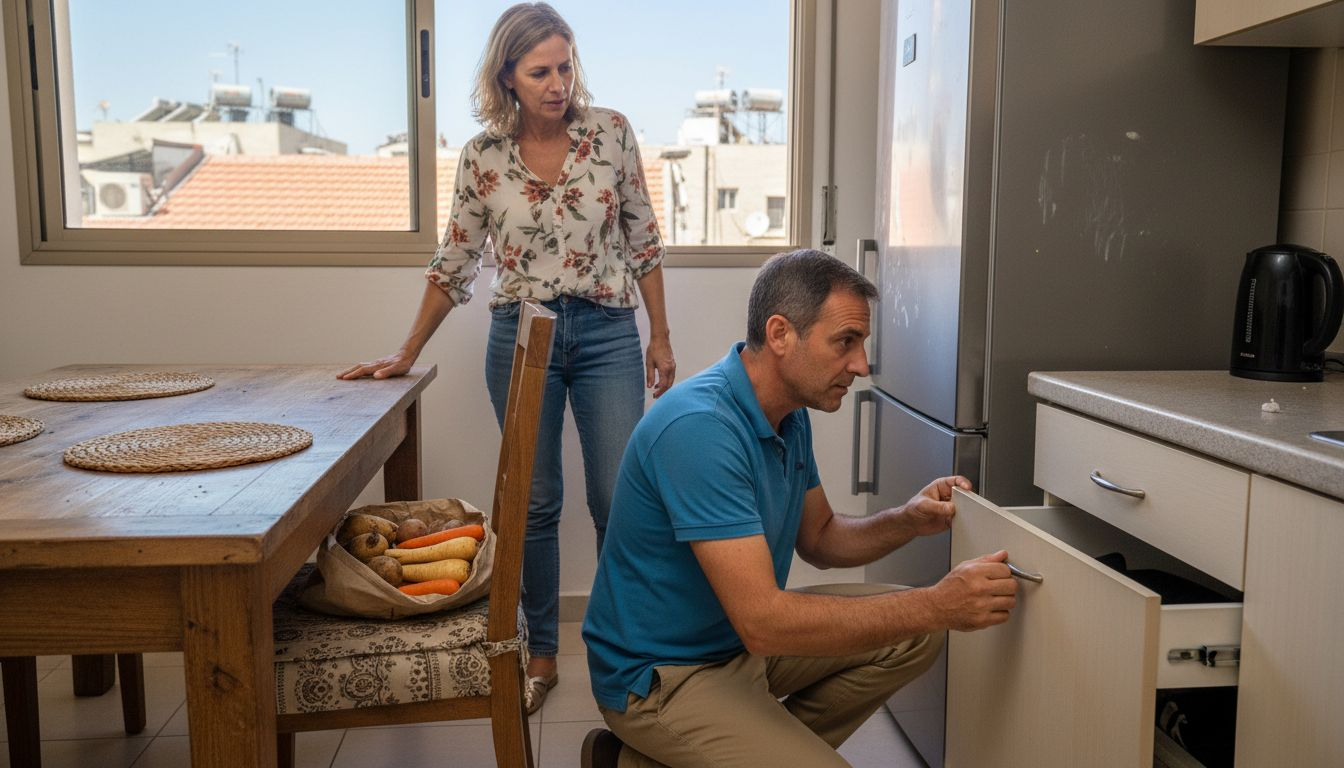
Focus your evaluation on key features specific to religious family living. Examine the home’s layout for potential spaces that support traditional Jewish practices such as Shabbat meals, holiday gatherings, and potential guest accommodations. Check for practical elements like kosher kitchen configurations, eruv compatibility, proximity to mikvaot, and walking distances to synagogues. Consider the orientation of windows for natural light, potential for future additions or renovations, and the structural integrity of the building. Pay attention to outdoor spaces that can accommodate sukkah construction and provide areas for family and community gatherings.
Expand your assessment beyond the individual property to thoroughly investigate neighborhood amenities. Research the local infrastructure including schools, community centers, grocery stores, and medical facilities. Evaluate the social dynamics of the surrounding community by speaking with current residents and understanding the neighborhood’s religious character. Look into transportation options, safety records, and future development plans that could impact property value and quality of life. Your goal is to find a home that not only meets your immediate needs but also provides a supportive environment for long term family growth and religious observance.
Pro Tip: Create a detailed scoring matrix with weighted criteria for both property features and neighborhood characteristics to objectively compare potential homes and communities.

Navigating the legal and financial landscape of Israeli real estate requires meticulous attention to detail and strategic preparation. As an international buyer, you must understand the complex regulatory environment that governs property transactions in Israel. Property purchase legal procedures involve multiple layers of documentation and specific requirements that differ significantly from transactions in the United States.
Begin by securing experienced legal representation specialized in Israeli real estate transactions. Your attorney should conduct comprehensive due diligence including verifying the property title, checking for existing liens, and ensuring complete legal clarity of the property. Pay close attention to ownership structures in Israel such as leasehold versus freehold properties. Most land in Israel is owned by the Israel Land Authority, which means you will likely be purchasing a long term lease rather than outright ownership. Carefully review mortgage options, understanding that international buyers might face different lending criteria compared to local residents. Calculate all associated costs including purchase taxes, registration fees, legal expenses, and potential renovation or modification expenses.
Comprehensively review all contract documents with your legal representative. Ensure the contract includes clear terms regarding property condition, potential repairs, transfer of ownership, and any specific contingencies relevant to your situation. Verify that all verbal agreements are documented in writing and that you fully understand every clause. Request translations of all documents into English to prevent any misunderstandings. Consider consulting with a tax professional who understands both Israeli and American tax implications to structure your purchase most effectively and avoid unexpected financial complications.
Pro Tip: Create a comprehensive checklist of all legal and financial documents required for your property purchase, and maintain a dedicated folder with certified translations and original copies.
Below is a summary of essential legal and financial considerations for international buyers in Israeli real estate:
| Aspect | Importance Level | Action Step | Potential Challenges |
|---|---|---|---|
| Title Verification | Critical | Secure experienced attorney | Complex ownership structures |
| Mortgage Options | High | Research banks, lending criteria | Limited options for foreigners |
| Tax Implications | Significant | Consult U.S.-Israeli tax expert | Unexpected dual taxation |
| Contract Review | Essential | Translate and review all documents | Language barriers, fine print |
Selecting the right real estate professional and validating a development project requires comprehensive due diligence that goes far beyond surface level assessments. As an international buyer, your ability to thoroughly investigate project credentials will directly impact the success of your investment. Developer verification guidelines provide critical insights into protecting your financial interests during the property acquisition process.
Begin by conducting an exhaustive background check on the developer and real estate agency. Request and independently verify their registration in the national contractors registry, review their historical project portfolio, and investigate their reputation within the religious community. Examine completed projects to assess construction quality, adherence to promised timelines, and overall customer satisfaction. Request comprehensive documentation including zoning plans, technical specifications, building permits, and draft contracts. Pay special attention to the developer’s financial stability, track record of project completion, and their experience working with international religious families.
Engage in direct conversations with multiple sources to validate the agent and project credibility. Speak with previous clients from the developer’s past projects, consult community leaders, and request references from religious institutions familiar with the development. Verify the agent’s specialized knowledge of religious community requirements, their understanding of specific needs like eruv compatibility, proximity to synagogues, and kosher kitchen configurations. Confirm that the agent has a proven track record of serving religious families and understands the nuanced requirements of observant Jewish homebuyers. Look beyond marketing materials and seek transparent, verifiable information that demonstrates the developer’s commitment to quality and community integration.
Pro Tip: Request a comprehensive written report from an independent third party that evaluates the developer’s financial health, project feasibility, and historical performance before making any financial commitments.
Buying a home in Beit Shemesh means more than just choosing a property. It requires careful assessment of community priorities, understanding eruv boundaries, kosher grocery access, and legal complexities unique to Israeli real estate. If you feel overwhelmed by the challenge of balancing lifestyle needs with market trends and legal details, you are not alone. Many buyers face these exact concerns and seek expert help to navigate them confidently.
At Yigal Realty, we specialize in connecting observant families with properties that truly fit their values and daily lives. Our team offers personalized support including in-depth insights into local developments, trusted legal guidance, and exclusive access to projects designed for religious communities. Don’t wait to secure a home that supports your heritage and lifestyle. Visit Yigal Realty now and explore how we simplify your home-buying journey in Beit Shemesh with trusted expertise and transparent service.
Begin by identifying non-negotiable requirements such as proximity to synagogues, schools, and grocery stores. Create a ranked list of must-haves versus nice-to-haves to clarify your family’s specific needs.
Focus on gathering insights about pricing trends, emerging neighborhoods, and local infrastructure improvements. Utilize online resources and engage with local real estate agents to compile a detailed overview within 30 days.
Assess key layout elements, such as kosher kitchen configurations and spaces suitable for Shabbat meals and holiday gatherings. Pay attention to outdoor areas for community events and Sukkah installations.
Secure an experienced attorney to conduct due diligence on the property title and verify any liens. Review the contract thoroughly and ensure clarity on ownership structures to avoid complications.
Conduct a background check by verifying the developer’s registration, examining their project portfolio, and speaking with previous clients. Gather independent reports and references to ensure the developer’s reliability before committing financially.