%20(4).png)
![[background image] image of cityscape background (for an architect firm)](https://cdn.prod.website-files.com/68961ade6feff9cbdffc080d/69384e066e0e9a310b6817f8_061f6bac-48bf-44b8-a689-078dacd8009f.avif)
Every stage of moving your family from the United States to Israel brings new decisions, but few are as complex as buying a home abroad that fits your religious values. The reality is that cross-border real estate transactions involve challenges ordinary buyers rarely face, from unfamiliar laws to lifestyle accommodations. Understanding specialized cross-border services empowers you to find a Beit Shemesh property where your family can thrive both spiritually and practically.
| Point | Details |
|---|---|
| International Real Estate Offices Provide Specialized Services | They facilitate cross-border transactions by offering expertise in legal, tax, and currency issues that standard agents may overlook. |
| Understanding Cultural and Regulatory Differences Is Essential | International offices help bridge the gap between American and Israeli market expectations, preventing costly misunderstandings. |
| Tailored Support for Religious and Lifestyle Needs | These offices cater to specific family requirements, ensuring a smoother integration into communities that match lifestyle practices. |
| Proactive Legal and Financial Preparation Is Crucial | Engaging with experienced professionals ahead of time mitigates risks related to legal complexities, financing, and tax implications in international transactions. |
International real estate offices operate as specialized bridges between foreign buyers and U.S. property markets. For American families exploring options before relocating to Israel, understanding these offices helps you grasp how similar services work internationally.
These offices exist because buying property across borders is fundamentally different from local transactions. Language barriers, unfamiliar legal systems, and distance create complexity that standard real estate firms don’t always handle well.
International real estate offices provide specialized cross-border services that standard brokers typically don’t offer:
Think of them as translators and cultural guides rolled into one. They understand both your home country’s expectations and the local market’s realities.
For observant Jewish families, the parallel is clear: just as these offices specialize in international transactions, firms like Yigal Realty specialize in communities where religious lifestyle matters. Both types of firms exist because standard providers miss critical details.
Local real estate agents focus primarily on domestic transactions. International offices, by contrast, maintain expertise in:
A local agent in Boston knows neighborhoods and school ratings. An international office knows how American property ownership affects your Israeli residency status and tax obligations.
Here’s how international real estate offices compare to local agents for cross-border buyers:
| Aspect | International Office Expertise | Local Agent Expertise |
|---|---|---|
| Currency Management | Advises on exchange risks, hedging | Little to no guidance |
| Legal Guidance | Works with attorneys in both countries | U.S. law only |
| Tax Optimization | Coordinates cross-border tax advisors | Domestic tax focus only |
| Client Communication | Multilingual, bridges cultural gaps | Primarily English, local context |
| Contract Navigation | Manages multi-jurisdictional paperwork | Local forms only |
When you work with an international office, you’re paying for specialized knowledge, not just property access. Here’s what that includes:
Market Research: These offices analyze markets through an international lens, identifying properties suitable for foreign investment rather than primary residency patterns.
Legal Navigation: They coordinate with attorneys familiar with foreign buyer restrictions, FIRPTA rules, and state-specific regulations that affect your purchase.
Language and Communication: Multilingual teams bridge the gap between your expectations and local market practices.
Documentation Support: They handle the extra paperwork inherent in international transactions—background checks, proof of funds, visa status documentation.
International real estate offices exist specifically because cross-border transactions require expertise that local agents simply don’t develop.
As you transition from the United States to Israel, you’ll work with international-minded professionals. Understanding how American international offices function reveals how firms handling Israeli properties for Americans operate.
The same principles apply: specialized firms understand your unique situation better than generalists. Just as local real estate offices serve essential functions in specific communities, international offices serve specific buyer categories.
You’re not just buying property. You’re managing a cross-border transition affecting residency, taxes, and community fit. The right firm understands all three dimensions.
Pro tip: Ask any international real estate office about their experience with buyers from your specific background—whether that’s Jewish families, religious communities, or specific visa categories. Their answer reveals whether they truly specialize in your situation or just claim to.
International real estate offices serve as the operational backbone of cross-border property deals. Without them, buyers and sellers would struggle to navigate the maze of different legal systems, currencies, and market expectations.
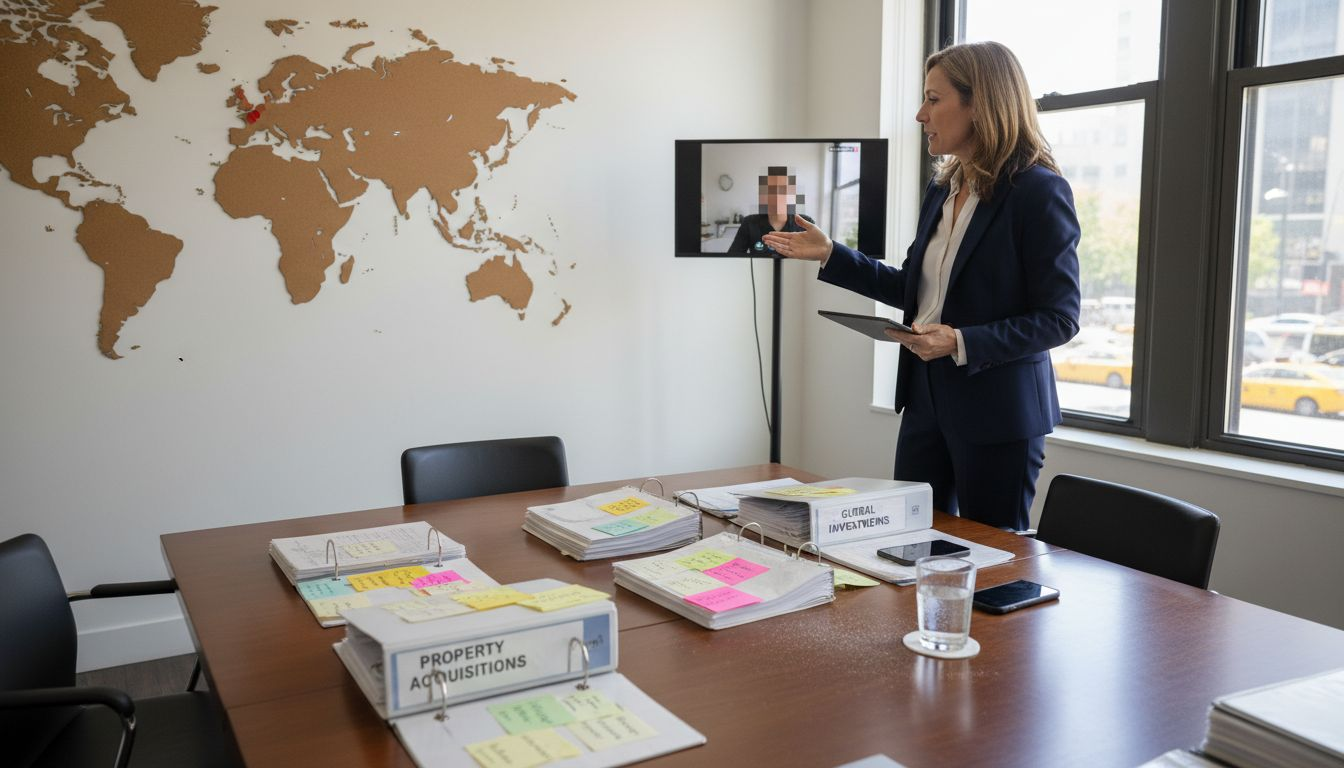
Think of these offices as conductors orchestrating a complex symphony. Each instrument (buyer, seller, attorney, lender, regulatory body) must play at the right time, or the entire transaction falls apart.
International real estate offices act as central facilitators managing compliance and coordination. This means they:
For your Beit Shemesh purchase, this parallel function matters. You’ll need similar coordination between American and Israeli legal frameworks, tax authorities, and financial institutions.
Every country has unwritten rules alongside written laws. International offices translate both.
They function as cultural and regulatory liaisons, ensuring your American expectations align with Israeli market practices. What’s standard in New York might violate Israeli regulations. What’s normal in Beit Shemesh might create tax complications in the United States.
These offices prevent costly mistakes by catching these differences before contracts are signed.
Cross-border transactions introduce obstacles local deals never face:
International offices help you navigate geopolitical and currency challenges inherent in cross-border deals.
These offices provide investment climate intelligence you can’t find in standard market reports. They know:
Which neighborhoods are attracting international buyers. Which regulations are being enforced versus ignored. Which lenders prefer foreign buyers. Which local customs affect negotiation timelines.
This information alone can save you months of trial and error.
International real estate offices transform cross-border transactions from chaotic ventures into coordinated, compliant deals.
Modern international offices integrate emerging technologies to enhance transparency. Blockchain verification, AI-driven market analysis, and digital escrow services reduce fraud and speed up settlements.
For American families buying in Israel, this technological infrastructure protects your interests across borders.

Pro tip: When evaluating an international real estate office, ask specifically about their due diligence process and how they handle regulatory compliance. Request one example of a challenge they solved for a previous client from your background—their answer reveals whether they have genuine cross-border experience or just basic brokerage services.
Buying property in another country means facing legal systems you didn’t grow up with. International real estate offices exist largely because this complexity would paralyze most buyers without expert guidance.
You’re not just dealing with one set of rules. You’re managing overlapping jurisdictions, tax systems, and regulatory frameworks that often contradict each other.
Israel has different property laws than the United States. Add to that: U.S. federal regulations, Israeli tax codes, state-level restrictions in your home state, and local Beit Shemesh ordinances.
International real estate offices guide you through complex foreign legal landscapes involving multi-layered jurisdictional laws. They coordinate with local attorneys who know which rules actually matter and which ones rarely get enforced.
Without this expertise, you might spend months obtaining permits for things that don’t require them, or miss critical restrictions entirely.
Taxes hit differently depending on your residency status, citizenship, and property location. An American owning property in Israel faces:
International offices work with tax advisors to create optimization strategies that minimize your burden legally. They’re not avoiding taxes; they’re ensuring you don’t overpay.
Every property carries hidden risks. International offices provide critical due diligence support covering:
In Beit Shemesh, zoning rules affecting observant communities might differ from secular neighborhoods. International offices understand these nuances.
Currency fluctuations can cost you thousands. A shekel appreciation of just 10 percent erodes your investment returns significantly.
International offices help you deal with financing challenges and currency exchange risks through multiple strategies:
They also coordinate with lenders familiar with foreign buyers, since many banks won’t finance international transactions.
Investment security depends on geopolitical stability. These offices assess real risks versus media hysteria, helping you make informed decisions about timing and commitment level.
International real estate offices transform abstract legal and financial complexity into concrete, manageable steps you actually understand.
American contracts don’t work in Israel. Israeli contracts don’t work in America. Understanding real estate contracts and their jurisdictional differences prevents costly disputes later.
Pro tip: Request your international real estate office provide a side-by-side comparison of how property rights, title transfer, and buyer protections differ between the United States and Israel before you sign anything. This document becomes your personal legal reference throughout the transaction.
Moving to Israel for religious reasons means you’re not just changing addresses. You’re relocating your entire lifestyle, community connections, and daily observance practices.
Standard real estate agents understand neighborhoods. They don’t understand what matters to observant Jewish families. That’s where specialized international offices become essential.
Your property search differs fundamentally from typical buyers. You need homes supporting Shabbat observance, proximity to synagogues, access to kosher groceries, and communities where religious practice is normalized, not exceptional.
International real estate offices provide tailored relocation services accommodating religious and lifestyle-specific needs, including personalized home searches that match your daily practices, not just square footage and price.
Standard agents ask about bedrooms and bathrooms. Specialized offices ask about Shabbat elevators, eruv coverage, and neighborhood observance levels.
Finding the right property in Beit Shemesh requires understanding:
Our specialists know new home developments specifically designed for religious families, ensuring your search filters for communities where you’ll genuinely belong.
Moving internationally goes beyond finding a house. You need guidance understanding local religious institutions, educational options for your children, and how Beit Shemesh’s observant community actually functions.
International offices provide community orientation services covering:
You won’t move into an empty neighborhood. You’ll move into a community.
Your home must support your observance level, family size, and daily practices. This means understanding property types suited to religious living.
Different property types serve observant buyers in various ways: apartments in close-knit religious buildings, single-family homes with private courtyards, or properties near community centers.
Specialized offices explain these options in context of your lifestyle, not just market values.
Specific property features matter deeply:
International real estate offices transform relocation from logistical challenge into community integration, ensuring your new home supports your religious values.
Children need schools matching their educational background and observance level. Families need social circles. These concerns matter as much as the property itself.
Specialized offices coordinate introductions to family networks, school enrollments, and religious institutions before closing day.
Pro tip: Before contacting any real estate office, create a detailed list describing your ideal lifestyle in Beit Shemesh—specific observance practices, family size, educational priorities, and community characteristics that matter most. Share this with your office; their response reveals whether they truly understand observant family needs or just market homes generically.
Every international real estate transaction encounters obstacles. The difference between success and regret often comes down to whether you anticipated these challenges and prepared accordingly.
You’re not the first American family relocating to Israel. Learning from others’ mistakes saves you time, money, and frustration.
American property law and Israeli property law operate on fundamentally different principles. Add federal U.S. regulations, state restrictions, and local Beit Shemesh ordinances, and you’re managing four overlapping legal systems simultaneously.
Common challenges include legal and regulatory complexities that catch unprepared buyers off guard.
Mitigation requires expert legal counsel familiar with both countries’ systems, not generic attorneys who handle only one jurisdiction.
Most U.S. banks won’t finance Israeli property purchases. Even Israeli banks scrutinize foreign buyers carefully. Currency fluctuations can reduce your buying power by thousands of shekels between initial offer and closing.
Don’t assume you can finance internationally like you would domestically. Plan financing 6 months before purchase, securing commitments early.
Misunderstandings cascade rapidly in real estate. A small translation error in contract language becomes a major dispute at closing.
International offices provide multilingual communication support, ensuring nothing gets lost between Hebrew contracts, English expectations, and Israeli market norms. They’re not just translating words; they’re bridging conceptual differences.
Beit Shemesh’s real estate market differs fundamentally from American markets:
International offices provide market intelligence that prevents you from overpaying or choosing unsuitable neighborhoods.
You can’t personally inspect your property weekly from the United States. Setting up reliable local property management prevents deterioration, tax complications, and management crises.
Mitigation strategies include engaging local professionals and setting up property management for remote ownership. This becomes especially critical if you maintain U.S. residence initially while building your Beit Shemesh home.
Choosing wrong neighborhood means living among families with different observance levels, which affects daily life far more than square footage.
Mitigation requires thorough community research before purchase, not after. Visit during Shabbat. Attend synagogue. Speak with families already living there. Your real estate office should facilitate these connections.
Professional guidance transforms common pitfalls into manageable steps with clear solutions.
Ignoring tax implications creates liability years later. Rental income, capital gains, property taxes, and visa status all interconnect in ways that surprise unprepared buyers.
Engage tax advisors familiar with U.S.-Israel tax treaties before signing contracts.
Pro tip: Create a “challenge checklist” covering legal complexity, financing availability, language gaps, market conditions, property management, community fit, and tax planning. Address each item with specific professionals 6 months before your intended purchase date. This preparation separates successful international buyers from those drowning in avoidable complications.
This table summarizes key challenges in cross-border real estate deals and how international offices help address them:
| Challenge | Risk If Unaddressed | How International Offices Help |
|---|---|---|
| Currency Fluctuations | Unexpected higher costs | Timing and hedging strategies |
| Legal System Differences | Contract disputes | Multi-jurisdictional coordination |
| Tax Complications | Double taxation or penalties | Tax advisor collaboration |
| Community Misalignment | Poor lifestyle fit | In-depth local community research |
| Remote Management Needs | Property deterioration | Connects with trusted management |
Navigating the complexities of buying property across borders requires more than just access to listings. The article highlights challenges like multi-jurisdictional legal systems, currency exchange risks, and the need for specialized knowledge tailored to observant families relocating from the United States to Israel. If you want to avoid surprises and ensure your move to Beit Shemesh supports your religious lifestyle and community needs, expert assistance is essential.
At Yigal Realty, we understand the unique demands of international buyers seeking homes in Beit Shemesh and surrounding areas. Our team offers personalized market insights, guides you through the legal and financial intricacies, and connects you with communities that share your values. Start your journey with confidence by exploring our services at Yigal Realty. Learn how we simplify international property transactions at Our Approach and discover developments tailored for observant families to find your perfect home. Take the first step today and secure a seamless relocation experience supported by professionals who truly understand your needs.
International real estate offices offer specialized cross-border services, including market research tailored to foreign clients, navigation of complex legal systems, buyer representation in multiple jurisdictions, and support for documentation and financing options relevant to foreign investment.
International real estate offices focus on specific needs of foreign buyers, such as currency exchange risks, foreign buyer financing options, and cross-border contract negotiations, whereas local agents typically concentrate on domestic transactions without the specialized knowledge required for international deals.
Legal guidance is essential because buying property in another country involves navigating multiple legal systems, tax codes, and regulations that differ significantly from those in the U.S. International real estate offices coordinate with attorneys familiar with these complexities to ensure compliance and prevent costly mistakes.
Common challenges include language barriers in communication, currency fluctuations affecting purchase power, regulatory differences between jurisdictions, and potential tax complications. International offices help mitigate these risks through expert guidance and localized knowledge.