%20(4).png)
![[background image] image of cityscape background (for an architect firm)](https://cdn.prod.website-files.com/68961ade6feff9cbdffc080d/69384e066e0e9a310b6817f8_061f6bac-48bf-44b8-a689-078dacd8009f.avif)
Over half of recent American investors are actively seeking property opportunities beyond national borders, with Israel capturing growing attention. The Israeli real estate market stands out due to unique advantages like strong economic fundamentals, robust legal protections, and consistent value growth in cities such as Tel Aviv and Jerusalem. With a track record of outpacing traditional investment destinations, this guide unpacks what makes Israeli property investments so attractive for Americans eager to diversify and grow their portfolios.
PointDetailsGrowing Appeal for International InvestorsThe Israeli real estate market offers stability and strong legal protections, making it an attractive destination for foreign investment.Diverse Property Options AvailableInvestors can explore various types of properties, including historical apartments, modern condominiums, and luxury villas, catering to different investment strategies.Critical Legal and Tax ConsiderationsU.S. buyers must navigate complex legal frameworks and tax implications to ensure compliance and optimize their investments in Israeli real estate.Potential Risks in the MarketMarket fluctuations influenced by geopolitical factors, regulatory changes, and economic shifts require robust risk assessment and management strategies for prospective investors.
The Israeli real estate market presents a compelling opportunity for international investors seeking stable and potentially lucrative property investments. Driven by robust economic fundamentals, Israel’s property landscape offers unique advantages that distinguish it from traditional investment destinations. Understanding the nuanced dynamics of this market requires strategic insights into its underlying strengths.
Investors are increasingly attracted to Israel’s real estate sector due to several key factors. Urban centers like Tel Aviv and Jerusalem demonstrate consistent property value appreciation, with high demand consistently outpacing available supply. This imbalance creates a robust environment for property investments, particularly for those targeting residential and commercial real estate segments. International buyers find the market particularly attractive due to:
Foreign investment trends reveal growing confidence in the Israeli property market. Commercial and residential properties in major metropolitan areas have become increasingly appealing to international investors seeking diversification and potential long-term returns. Research from leading economic institutions indicates a steady increase in foreign capital flowing into Israeli real estate, reflecting the market’s inherent strength and potential for sustainable growth.

Investors exploring the Israeli real estate market will discover a diverse range of property types across different regions, each offering unique characteristics and investment potential. Jerusalem stands out as a prime destination with neighborhoods that cater to various lifestyle preferences and investment strategies. From historic districts to modern urban developments, the property landscape provides multiple opportunities for discerning buyers.
In major metropolitan areas like Jerusalem, several distinctive neighborhoods offer compelling investment options. Specific areas such as Rehavia, Talbieh, German Colony, and Baka represent prime locations with strong appeal for international investors. These neighborhoods showcase different property types:
Beyond Jerusalem, cities like Tel Aviv and Haifa present additional property investment opportunities. These urban centers offer a mix of residential and commercial real estate options, ranging from compact city apartments to expansive suburban homes. Investors can choose between turnkey properties, renovation projects, and new construction developments, each presenting unique potential for capital appreciation and rental income. The diverse property landscape ensures that international buyers can find investment options aligned with their specific financial goals and personal preferences.
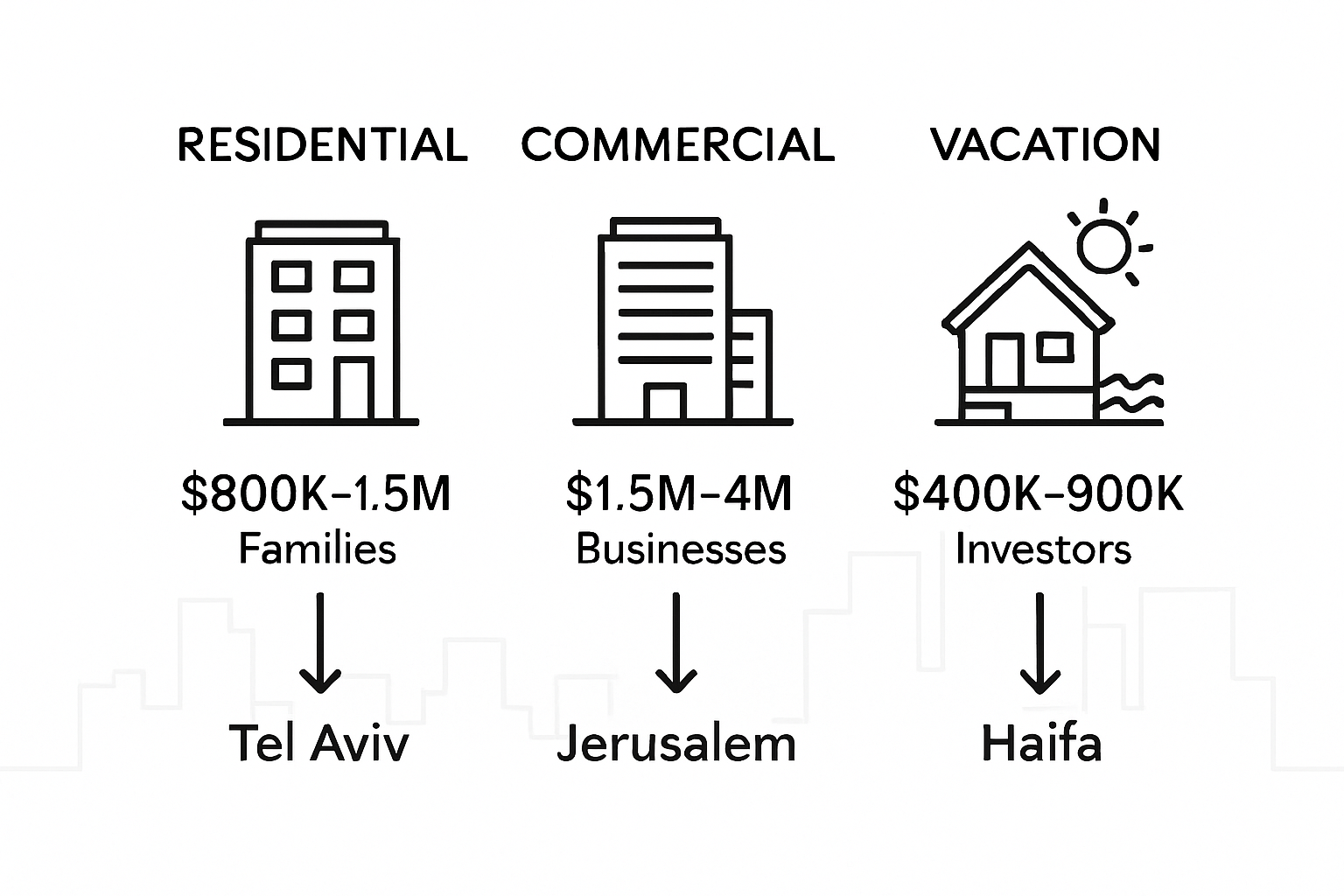
Foreign property investors from the United States must navigate a complex landscape of legal and tax regulations when purchasing real estate in Israel. Understanding these intricate requirements is crucial for making informed investment decisions and ensuring compliance with both Israeli and American financial regulations. The process involves careful consideration of multiple legal frameworks that govern international property transactions.
U.S. buyers should be aware of several critical legal considerations when investing in Israeli real estate. The purchase process involves specific documentation and regulatory requirements that differ significantly from domestic real estate transactions. Key areas of focus include:
Tax planning represents a critical component of international real estate investment. U.S. buyers must carefully consider the tax implications of their Israeli property investments, including potential double taxation issues and reporting requirements to both Israeli and American tax authorities. Consulting with legal experts specializing in international real estate transactions is strongly recommended to ensure full compliance and optimize the financial structure of the investment. Professional guidance can help investors navigate the complex interplay between Israeli property laws and U.S. tax regulations, ultimately protecting their financial interests and minimizing potential legal complications.
The Israeli real estate market presents both opportunities and potential challenges for international investors, requiring a nuanced understanding of market dynamics and risk management strategies. While the market has demonstrated remarkable resilience and consistent growth, prospective buyers must carefully evaluate multiple factors that could impact their investment potential. Comprehensive risk assessment becomes crucial for making informed and strategic property investment decisions.
Several critical risk factors demand careful consideration by potential investors. Market fluctuations can be influenced by complex geopolitical and economic variables that extend beyond traditional real estate market indicators. Key potential risks include:
Investors should develop robust risk mitigation strategies that incorporate comprehensive market research and professional financial guidance. Academic research institutions offer valuable insights into market trends and potential investment risks, providing sophisticated analytical frameworks for understanding complex market dynamics. By maintaining a diversified investment approach and staying informed about regional economic developments, investors can effectively navigate the nuanced landscape of Israeli real estate investments while minimizing potential financial vulnerabilities.
Investors exploring the Israeli real estate market can anticipate multiple avenues for financial growth and attractive returns. Cities like Be’er Sheva and Tel Aviv demonstrate compelling investment potential, offering diverse opportunities for capital appreciation and rental income. The market presents a nuanced landscape where strategic investments can yield significant financial benefits across different property segments and urban centers.
Rental yields and property appreciation vary significantly across different Israeli cities. Be’er Sheva emerges as a particularly attractive market, with rental yields ranging from 4-6%, driven by its robust student population and expanding technology sector. Key investment metrics highlight the market’s potential:
Jerusalem represents another promising market, with significant property transaction volumes and steady price growth, demonstrating the resilience and potential of Israeli real estate investments. The average home price of NIS 2.4 million reflects a stable market with consistent appreciation, offering international investors a compelling opportunity to diversify their investment portfolios and potentially generate substantial long-term financial returns.
Navigating the Israeli real estate market’s unique legal landscape and fluctuating risks can feel overwhelming. Whether you are seeking stable capital appreciation, attractive rental yields, or properties tailored to observant and religious communities, understanding the detailed market insights alone is not enough. You need a trusted partner who offers local expertise, transparent services, and personalized support to help you make confident investment decisions.
At Yigal Realty, we specialize in residential properties in Beit Shemesh and surrounding areas, designed especially for international buyers like you. Benefit from our comprehensive knowledge of the market, including early access to exclusive developments and flexible payment plans. Ready to turn your Israeli property investment goals into reality? Explore our full property portfolio and services today and connect with our professional agents who will guide you every step of the way.
Investing in Israeli property offers several benefits, including a stable economic infrastructure, strong legal protections for foreign investors, consistent property value appreciation, and a strategic geographic location that enhances investment appeal.
Property prices in Israel vary significantly by region and type. Major metropolitan areas have higher price points, with historical apartments, modern condominiums, and luxury villas being available, each offering varying investment potentials and rental yields.
U.S. buyers should be aware of property ownership registration processes, foreign investment restrictions, tax implications, and reporting requirements to both Israeli and American tax authorities to ensure compliance during their investment transactions.
Investors should consider risks such as geopolitical tensions, regulatory changes, currency exchange rate volatility, and economic policy shifts that could impact their investments. Conducting thorough market research and seeking professional financial guidance are essential for effective risk management.